


Medical Instrument Manufacturer in Pakistan
The medical instrument manufacturer in Pakistan has become a major success story that many people don't know about. The city of Sialkot, famous for its sports goods, has quietly become one of the world's top producers of surgical instruments. Today, Pakistan makes about a quarter of all hand-held surgical instruments used around the globe. This is not a small achievement for a country that started with small workshops and family-run businesses.
The journey of medical instrument manufacturing in Pakistan began decades ago with skilled craftsmen who knew how to work with metals. These craftsmen passed their skills from fathers to sons, creating a tradition of precision work that continues today. Over time, these small workshops grew into proper factories with modern equipment and quality control systems. Now, the industry has around 3,900 operational units that produce more than 25,000 different types of instruments. These products go to 172 countries, and the industry earns about $500 million each year from exports.
What Makes Pakistani Manufacturers Special
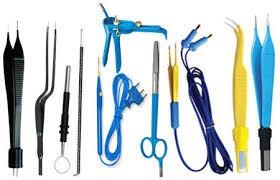
What sets the medical instrument manufacturer in Pakistan apart from competitors in other countries is the combination of skilled craftsmanship and competitive pricing. Pakistani workers have generations of experience in creating finely detailed instruments that require steady hands and keen eyes. This is especially important for surgical instruments, where even tiny imperfections can make a big difference. The industry produces everything from basic tools like forceps and scissors to highly specialized instruments used in heart, brain, and eye surgeries.
Pakistani manufacturers have also worked hard to meet international quality standards. Many companies now have certifications like ISO 13485, which is the international standard for medical devices. They also get CE marking for European markets and FDA approval for the United States. These certifications show that Pakistani instruments meet the high standards required in developed countries. This has opened doors to some of the world's most demanding healthcare markets, including Japan, Germany, and the United States.
The Role of SIMAP in Growing the Industry
The Surgical Instruments Manufacturing Association of Pakistan, known as SIMAP, has been the driving force behind the industry's growth. This organization represents about 5,000 manufacturers across Pakistan and works to improve production standards, ensure compliance with international regulations, and find new markets for Pakistani products. SIMAP has helped the industry move from a disorganized collection of small workshops to a coordinated sector that can compete globally.
One of SIMAP's important roles has been helping manufacturers understand and meet international regulations. European markets, for example, have strict requirements for medical devices, and SIMAP helps Pakistani companies navigate these rules. The association also works on addressing the shortage of skilled workers by organizing training programs and partnerships with educational institutions. Looking ahead, SIMAP plans to establish a research and development unit to help manufacturers improve their products and develop new ones.
Pakistan's Success in International Markets
Pakistani medical instruments have earned a strong reputation in international markets. The industry has been particularly successful in countries like Germany, the United States, and Japan. At major international exhibitions like MEDICA in Germany, Arab Health in Dubai, and Medical Japan, Pakistani companies showcase their products alongside the world's best manufacturers. These events help Pakistani companies find new buyers and build long-term business relationships.
China has become an increasingly important market for Pakistani medical instruments. In 2025, Pakistan's exports of medical and surgical instruments to China exceeded $11 million. Dental instruments and appliances showed particular growth, rising to over $4 million. Ophthalmic instruments for eye surgeries grew by an impressive 65 percent in one year. This growth toward more advanced medical devices shows that Pakistani manufacturers are capable of making increasingly sophisticated products that meet the needs of modern healthcare.
Government Support for Local Manufacturing
The Pakistani government has recognized the potential of the medical instrument industry and is providing support to help it grow. The Federal Health Minister has committed to promoting locally manufactured medical devices through public procurement. This means that government hospitals will be encouraged to buy Pakistani-made instruments instead of importing them. This helps the industry grow while saving the country money on imports.
A major reform has been the digitization of the medical device registration system under the Drug Regulatory Authority of Pakistan. Previously, registering a new medical device could take months of paperwork. Now, the process takes only 20 days through an online system. This makes it much easier for manufacturers to bring new products to market. The regulatory authority has also announced that outdated rules that favored imports over local production are being revised to better support domestic industry growth.
Innovation and New Product Development
Pakistani manufacturers are moving beyond simple instruments to develop more advanced medical technologies. One exciting development was the unveiling of Pakistan's first locally produced ICU ventilator. This is a significant achievement because ventilators are complex, life-saving machines that require advanced engineering. The fact that a Pakistani company developed this product shows that local manufacturers have the capability to create sophisticated medical equipment.
Other Pakistani companies are developing innovative products in different areas of healthcare. Some are manufacturing imaging equipment like X-ray machines and CT scanners. Others are creating wearable devices for monitoring heart conditions. These innovations show that the industry is evolving from making basic instruments to developing complete medical devices. This shift toward higher-value products positions Pakistan for even greater success in the global healthcare market.
Challenges the Industry Faces
Despite its success, the medical instrument manufacturer in Pakistan faces several challenges that need to be addressed for continued growth. One major challenge is compliance with stricter European Union regulations that will come into effect soon. Currently, only 50 to 60 of Pakistan's thousands of production units operate at a scale that can comply with these new rules. This means many smaller manufacturers will need to upgrade their facilities or risk losing access to European markets.
Another challenge is the shortage of skilled workers. While Pakistan has many experienced craftsmen, the industry needs more workers trained in modern manufacturing techniques and quality control. The industry is working with educational institutions to develop training programs, but this takes time. Tax policies also pose challenges. The 18 percent sales tax on medical devices makes Pakistani products more expensive and less competitive compared to those from countries with lower taxes. Industry leaders have called for tax relief to help manufacturers compete.
The Future of Medical Instrument Manufacturing in Pakistan
The future looks bright for the medical instrument manufacturer in Pakistan. Industry leaders have set an ambitious target of reaching $2 billion in annual exports by 2030. This would more than quadruple current export levels and create thousands of new jobs. Achieving this goal will require investment in skills development, quality improvement, and compliance with international regulations. It will also require continued support from the government in the form of favorable policies and infrastructure development.
The industry is also looking to expand into new markets. While Pakistan already exports to 172 countries, there is still room for growth in many regions. The increasing focus on healthcare in developing countries presents opportunities for Pakistani manufacturers. The industry's ability to produce high-quality instruments at competitive prices makes it well-positioned to serve these growing markets. With strategic investment and continued quality improvement, Pakistan can establish itself as a truly global leader in medical instrument manufacturing, providing essential healthcare tools to people around the world.

 English
 Arabic
 French
 Spanish
 Portuguese
 Deutsch
 Turkish
 Dutch
Dutch
 Italiano
 Russian
 Portuguese (Brazil)
 Greek
Greek