


Can a Pressed Blusher Without Proper Certification Pose Hidden Health Risks
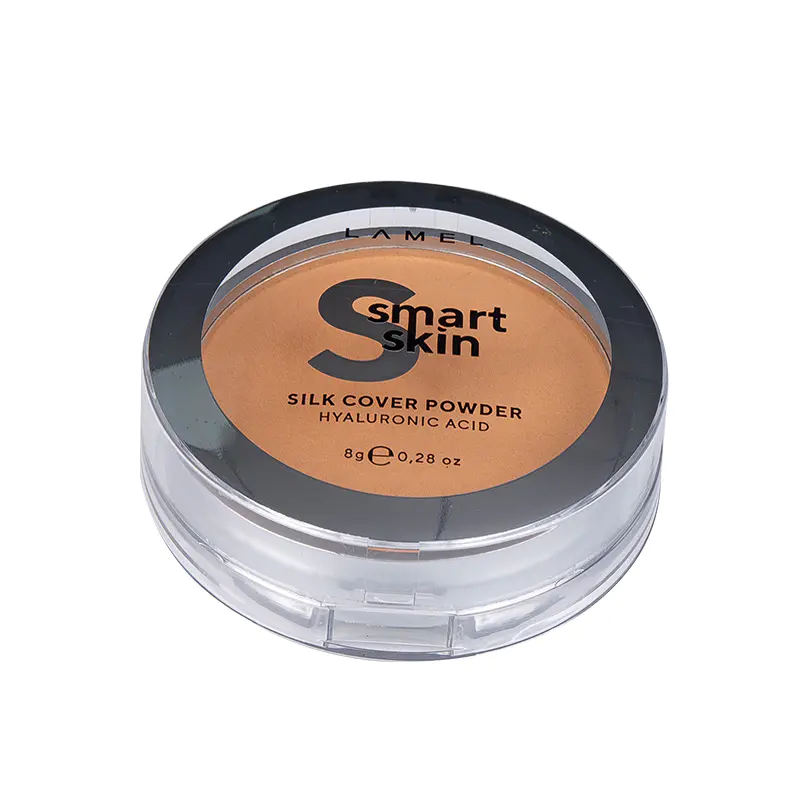
A seemingly innocent swipe of color across the cheek can introduce heavy metals, allergens, or microbial contaminants directly into sensitive facial pores, yet most consumers never examine the safety documentation behind that compact.Pressed Blusher formulations vary dramatically in ingredient purity and manufacturing hygiene, which directly impacts daily wear safety. Mgirlcosmetic addresses this concern through comprehensive third-party audits that validate every production stage, from raw material sourcing to finished compact sealing. How can an everyday user or retail buyer confirm that a pressed blusher truly meets international safety requirements without getting lost in technical jargon?
The foundational certification for any facial powder product remains GMP (Good Manufacturing Practices), which establishes strict hygiene protocols throughout the factory environment. This accreditation requires dedicated air filtration systems, regular surface sanitization, and documented employee training on contamination prevention. A GMP-compliant facility operates under controlled humidity and temperature conditions, preventing mold growth or ingredient degradation that could trigger skin reactions. When examining a pressed blusher compact, look for GMP or GMPC markings on the outer packaging or ask the supplier for the actual certificate number. This single credential eliminates numerous common safety concerns, including cross-contamination from other cosmetic lines produced in the same facility.
ISO 22716 represents the international benchmark for cosmetic Good Manufacturing Practices, offering a framework that covers personnel hygiene, building maintenance, equipment calibration, and waste disposal procedures. This standard demands regular internal audits and corrective action tracking, ensuring that safety lapses receive immediate attention rather than persisting through production cycles. A factory holding ISO 22716 certification undergoes unannounced surveillance audits, which provide authentic assurance beyond self-reported compliance. For pressed blusher specifically, this standard addresses the unique risks of powder dispersion, requiring specialized containment systems that protect both workers and product integrity during milling and pressing operations.
Beyond manufacturing protocols, ingredient safety certifications carry equal weight. Many reputable pressed blusher manufacturers pursue BSCI (Business Social Compliance Initiative) or SMETA (Sedex Members Ethical Trade Audit) accreditations, which evaluate supply chain ethics and workplace conditions. While these focus on social responsibility, they indirectly ensure product safety by verifying that workers receive proper training, protective equipment, and fair working hours—factors that reduce human errors during formulation weighing, mixing, and pressing stages. A factory that invests in these comprehensive audits demonstrates operational maturity that correlates with consistent product quality.
For products exported to North American markets, FDA registration or compliance with 21 CFR regulations becomes essential. This requires manufacturers to maintain ingredient lists that exclude prohibited substances, ensure color additives meet certified specifications, and follow labeling requirements that inform consumers about potential allergens. Pressed blusher formulations often contain iron oxides, titanium dioxide, or synthetic organic pigments, each requiring specific purity testing to avoid heavy metal contamination. A factory that maintains FDA compliance documentation provides distributors with legally defensible safety records that withstand regulatory scrutiny.
The Microbiological Quality Control certification, often included within GMP frameworks, specifically addresses the vulnerability of pressed powder products to bacterial colonization. Unlike liquid cosmetics that contain preservatives, pressed powders rely on low water activity for preservation, making production hygiene paramount. Accredited factories perform routine testing for total viable count, yeast, mold, and specific pathogens like Staphylococcus aureus and Pseudomonas aeruginosa. These test results, documented in Certificate of Analysis (COA) reports, offer tangible proof that each batch meets established safety thresholds. Requesting COA documentation from any pressed blusher supplier provides direct insight into their quality control diligence.
European Union compliance through REACH and CPNP (Cosmetic Products Notification Portal) registrations adds another layer of consumer protection, particularly relevant for brands targeting international markets. These regulations require complete ingredient disclosure, hazard classification, and safe use instructions. A Pressed Blusher that carries these registrations has undergone rigorous toxicological assessment, considering cumulative exposure risks from repeated daily application. Mgirlcosmetic integrates these requirements into its product development workflow, ensuring that every Matte Pressed Powder formulation meets or exceeds regional safety standards without compromising color payoff or wear time.
Consumer education plays a crucial role in this safety ecosystem. Knowing which certifications actually matter helps buyers distinguish genuine safety commitments from superficial marketing claims. The presence of ISO 22716 alongside GMP and BSCI creates a certification triangle that addresses production hygiene, management systems, and ethical operations. Factories displaying these credentials openly on their websites or packaging invite verification, whereas vague statements about "quality assurance" without specific accreditation names should raise immediate questions. This transparency separates serious manufacturers from those hoping consumers remain uninformed about production realities.
The practical implications of these certifications extend beyond regulatory compliance. A certified factory operates with documented procedures for complaint handling, recall management, and continuous improvement, creating accountability mechanisms that protect end-users. When a pressed blusher compact reaches a consumer's hand, the certifications behind it represent hundreds of documented quality checks, from raw material identity verification to finished product stability testing. These systematic safeguards prevent the type of safety failures that occasionally surface in uncertified or counterfeit products.
Selecting a pressed blusher based purely on shade preference overlooks the invisible safety infrastructure that determines daily wear suitability. Certifications serve as objective indicators that a factory has invested in proper equipment, trained personnel, and robust quality systems. For brands sourcing private-label pressed blusher, verifying supplier certifications reduces legal liability and strengthens consumer trust. The effort required to request and validate these credentials pays substantial returns in brand reputation and customer retention over time.
After considering these certification essentials, explore the specific product offerings that embody these rigorous standards. https://www.mgirlcosmetic.com/ presents a collection of pressed blusher options manufactured under comprehensive GMP, ISO 22716, and BSCI frameworks, delivering both aesthetic appeal and documented safety assurance. A trustworthy pressed blusher manufacturer does not hide behind vague quality claims; it displays certifications prominently and provides supporting documentation upon request. Does your daily cheek color come from a factory willing to prove its safety credentials through independent verification?

 Arabic
 French
 Spanish
 Portuguese
 Deutsch
 Turkish
 Dutch
Dutch
 Italiano
 Russian
 Romaian
 Portuguese (Brazil)
 Greek
Greek