


Can Retina Surgery Restore Vision? What Patients Should Expect
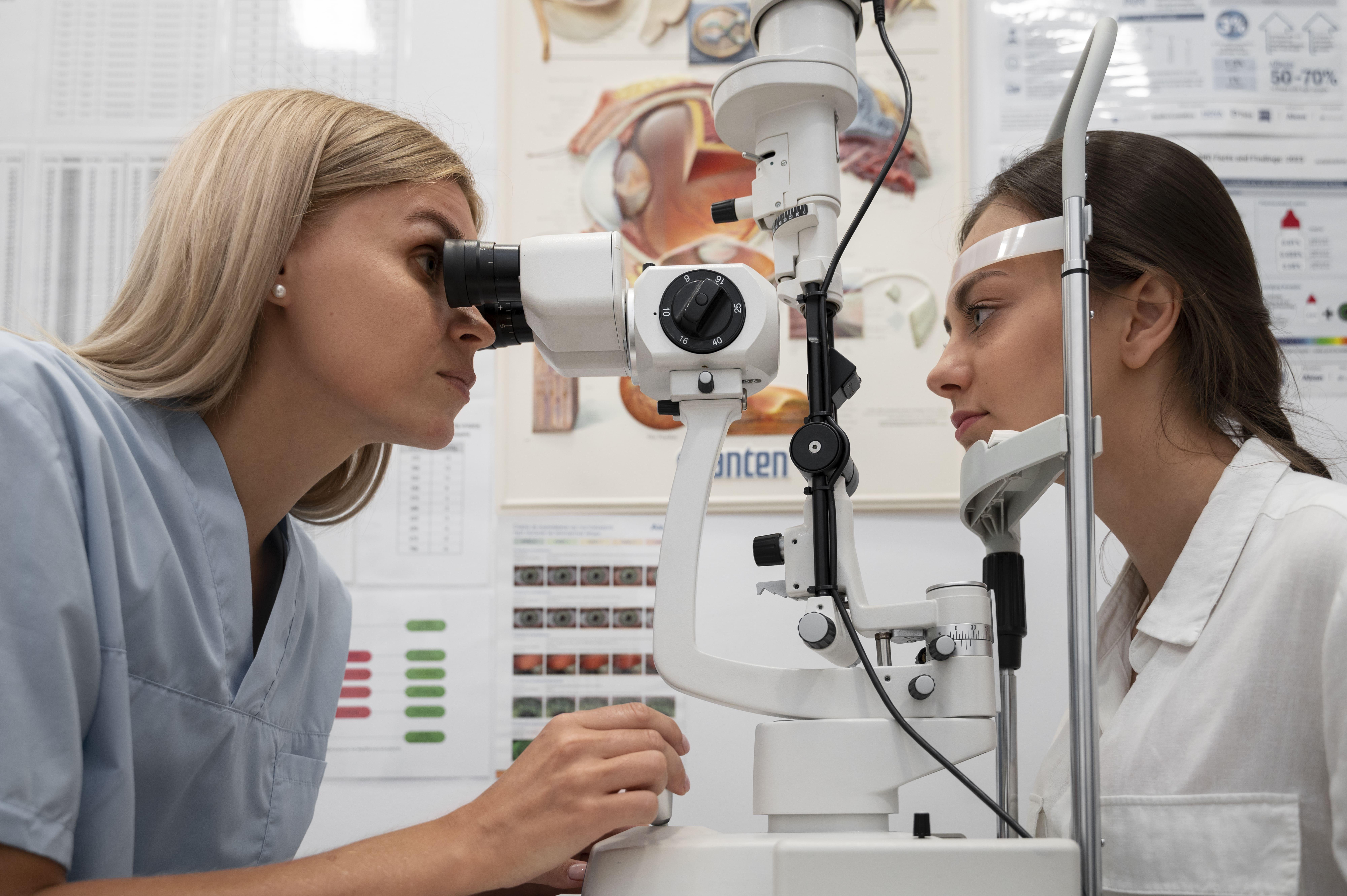
By Dr. Aman Kumar, Vitreo Retina and Cataract Surgeon
Hearing that you need retina surgery can be overwhelming. One of the first questions most patients ask is, "Can retina surgery restore my vision?" The answer depends on the type of retinal condition, how long it has been present, and how quickly treatment is received.
Modern vitreoretinal surgery has made it possible to save and improve vision for many patients with serious retinal diseases. However, timely diagnosis remains the most important factor in achieving the best outcome.
What Is Retina Surgery?
Retina surgery refers to specialized procedures performed to treat diseases affecting the retina and the vitreous gel inside the eye. One of the most common procedures is a vitrectomy, where the vitreous gel is removed to allow the surgeon to repair retinal damage.
As part of advanced Retina Surgery by Dr. Aman Kumar, treatment is carefully planned based on each patient's eye condition and visual needs.
Which Conditions Require Retina Surgery?
Retina surgery may be recommended for:
-
Retinal detachment
-
Macular hole
-
Vitreous hemorrhage
-
Epiretinal membrane (ERM)
-
Diabetic retinopathy
-
Retinal tears
-
Complications after eye trauma
Each condition requires a different surgical approach and recovery plan.
Can Surgery Restore Vision?
In many cases, yes. Retina surgery can restore or significantly improve vision, especially when treatment is performed early.
The outcome depends on several factors, including:
-
The underlying retinal disease
-
Whether the macula is involved
-
How long the retina has been damaged
-
Overall eye health
-
Presence of diabetes or glaucoma
Patients treated before permanent retinal damage occurs generally have better visual outcomes.
What Happens During Vitrectomy?
Vitrectomy is performed using tiny microsurgical instruments through very small openings in the eye.
During surgery, your surgeon may:
-
Remove the vitreous gel
-
Repair retinal tears
-
Remove scar tissue
-
Flatten a detached retina
-
Perform laser treatment
-
Place a gas bubble or silicone oil inside the eye to support healing
Modern vitrectomy is minimally invasive and usually allows faster recovery than older techniques.
Recovery After Retina Surgery
Vision usually improves gradually rather than immediately.
Recovery depends on:
-
The type of surgery performed
-
The severity of retinal damage
-
Whether a gas bubble was used
-
Individual healing
Your ophthalmologist will provide instructions regarding medications, activity restrictions, and follow-up appointments.
Some patients may need to maintain a specific head position for several days after surgery to help the retina heal properly.
When Should You See a Retina Specialist?
Seek immediate medical attention if you experience:
-
Sudden flashes of light
-
New floaters
-
A curtain-like shadow in your vision
-
Sudden vision loss
-
Distorted central vision
These symptoms may indicate retina detachment in Delhi or another serious retinal emergency that requires prompt treatment.
Choosing the Right Retina Surgeon
Successful retinal surgery requires advanced technology, precise surgical skills, and extensive experience.
Patients looking for the best retina surgeon often choose a Best Retina Hospital in Delhi equipped with advanced diagnostic imaging, modern operating microscopes, and dedicated vitreoretinal surgical facilities.
A specialized Vitreo Retina Hospital Delhi provides comprehensive care for conditions such as diabetic retinopathy, retinal detachment, macular holes, and vitreous hemorrhage.
Why Experience Matters
Complex retinal diseases require individualized treatment. Patients with retinal detachment, diabetic eye disease, or macular disorders often seek care from an experienced Dr. Aman Kumar Retina Specialist, who specializes in advanced vitrectomy and retinal microsurgery.
Those requiring expert management of Dr. Aman Kumar Vitrectomy procedures benefit from a thorough evaluation, evidence-based treatment planning, and close post-operative follow-up.
Protecting Your Vision
While not every retinal disease can be prevented, you can reduce your risk by:
-
Scheduling regular eye examinations.
-
Managing diabetes and blood pressure.
-
Seeking prompt care for flashes and floaters.
-
Wearing protective eyewear during sports and high-risk activities.
-
Following your ophthalmologist's advice after eye surgery.
Early intervention remains the most effective way to preserve vision.
Conclusion
Retina surgery has transformed the treatment of many vision-threatening eye diseases. Although every patient's outcome is different, timely surgery can restore vision, prevent further damage, and improve quality of life in many cases.
If you notice sudden changes in your vision, don't delay seeking medical attention. Early diagnosis and expert retinal care provide the best opportunity for successful treatment and long-term visual recovery.

 English
 Arabic
 French
 Portuguese
 Deutsch
 Turkish
 Dutch
Dutch
 Italiano
 Russian
 Romaian
 Portuguese (Brazil)
 Greek
Greek