


PRP Hair Treatment Recovery Side Effects and Safety Tips
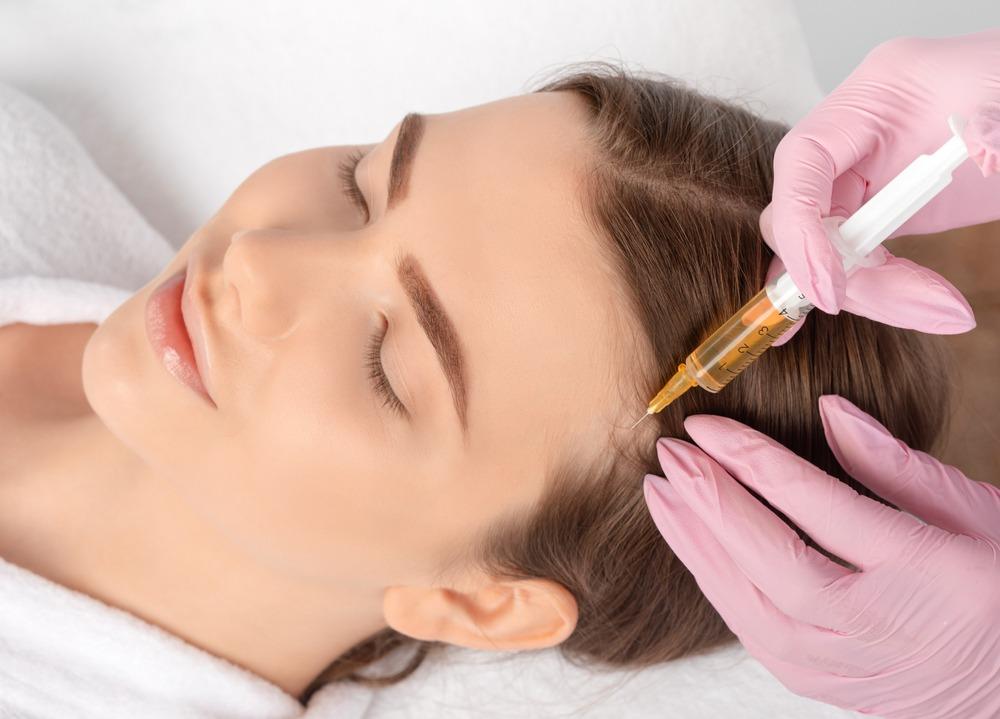
For anyone considering hair restoration, PRP Treatment Hair has become a popular option due to its minimally invasive nature and use of the patient’s own platelets to stimulate hair follicles. While the procedure is generally safe, understanding the recovery process, possible side effects, and safety tips can help patients prepare for the treatment and optimize results. Proper care after a session plays a key role in ensuring a smooth recovery and maximizing the benefits of PRP therapy.
What to Expect After PRP Hair Treatment:
After a PRP session, patients can return to their daily activities almost immediately. Mild redness, swelling, or tenderness at the injection sites is common and usually resolves within a few days. Some patients may notice slight hair shedding as follicles transition into a growth phase. Following aftercare instructions provided by your provider can help reduce discomfort and support effective follicle stimulation.
Common Side Effects:
PRP therapy is generally low-risk, but minor side effects may include:
-
Temporary scalp redness or warmth at the injection area.
-
Mild swelling or tenderness around treated areas.
-
Small bruises where needles were inserted.
-
Slight scalp sensitivity or itching that resolves naturally.
These side effects are temporary and usually disappear within a few days without requiring additional treatment.
Rare or Uncommon Reactions:
Serious complications are extremely rare due to the use of the patient’s own blood. However, a few uncommon reactions may occur:
-
Infection at the injection site, which can be minimized by proper sterilization.
-
Headaches or light dizziness immediately following treatment.
-
Allergic reaction is virtually nonexistent since PRP uses the patient’s own plasma.
Following your provider’s hygiene protocols and post-care recommendations greatly reduces the risk of uncommon side effects.
Recovery Timeline:
PRP recovery is typically quick, and patients can resume normal routines immediately. Key stages of recovery include:
-
First 24–48 hours: Mild redness, tenderness, or swelling may be present.
-
First week: Scalp sensitivity generally decreases, and any minor bruising fades.
-
2–4 weeks: Follicles begin transitioning into an active growth phase; slight shedding may occur.
-
2–4 months: Noticeable improvements in hair density and thickness begin to appear.
Safety Tips for a Smooth Recovery:
Following simple safety practices can improve outcomes and minimize side effects:
-
Avoid touching or scratching treated areas for at least 24–48 hours.
-
Refrain from washing hair aggressively or using harsh chemicals immediately after treatment.
-
Avoid anti-inflammatory medications unless approved by your provider, as they can interfere with platelet activity.
-
Stay hydrated and maintain a healthy diet to support blood quality and follicle stimulation.
Precautions for Certain Medical Conditions:
Patients with certain health conditions should take additional precautions:
-
Those with bleeding disorders or on blood-thinning medications should consult a doctor prior to treatment.
-
Individuals with scalp infections, open wounds, or severe dermatological conditions may need treatment deferred.
-
Patients with chronic illnesses should discuss PRP therapy with their healthcare provider to ensure safety.
Enhancing Recovery and Results:
To optimize recovery and improve PRP effectiveness, consider the following practices:
-
Gentle scalp massage to enhance circulation after the initial 48 hours.
-
Avoid excessive sun exposure or tanning beds on the scalp.
-
Use mild, non-irritating shampoos and hair care products.
-
Follow the recommended schedule for follow-up sessions to maintain follicle stimulation.
Monitoring Progress and When to Seek Help:
Keeping track of recovery and hair growth helps ensure the therapy is working effectively. Patients should:
-
Take photos at regular intervals to monitor progress.
-
Report any prolonged pain, swelling, or unusual symptoms to the provider.
-
Discuss booster sessions if results plateau or maintenance is required.
Proactive monitoring and communication with your provider help maintain safety and maximize hair regrowth results.
Final Thoughts:
Understanding the recovery process, potential side effects, and safety tips is essential for anyone undergoing PRP hair treatment. PRP Treatment Hair is a safe, minimally invasive therapy that, when paired with proper aftercare, offers noticeable improvements in hair density and follicle health. By following post-procedure guidelines, maintaining a healthy lifestyle, and staying in touch with your provider, patients can enjoy a smooth recovery and long-lasting results, making PRP a reliable choice for natural hair restoration.

 English
 Arabic
 French
 Spanish
 Portuguese
 Deutsch
 Turkish
 Italiano
 Russian
 Romaian
 Portuguese (Brazil)
 Greek
Greek