


Laser Hair Removal 101: Everything You Need to Know
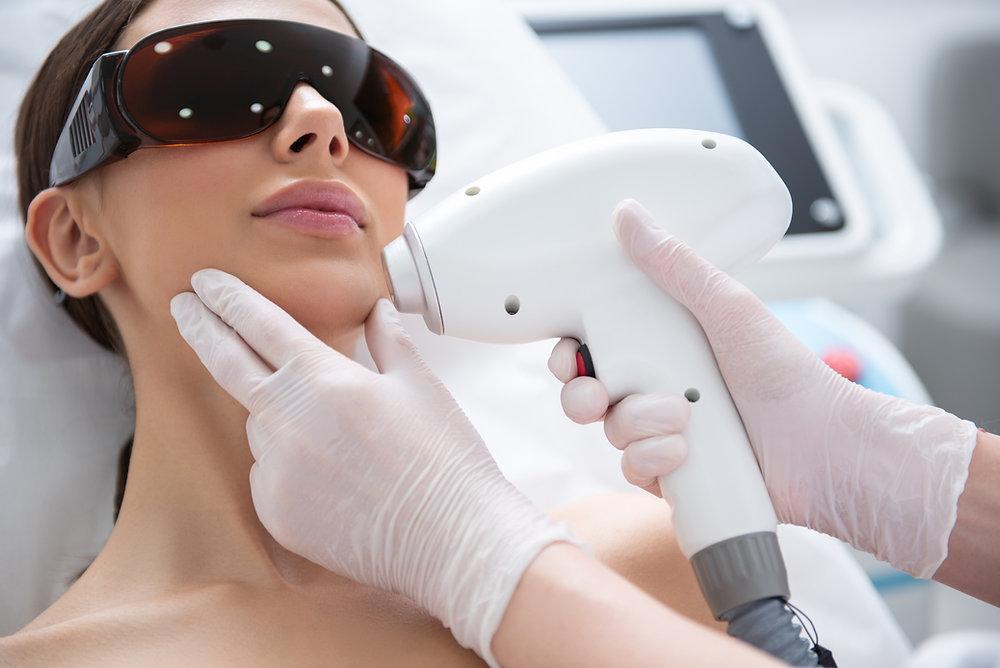
Unwanted hair can be a frustrating concern for many individuals, prompting the search for effective and long-lasting solutions. Laser Hair Removal has become one of the most popular methods for achieving smooth, hair-free skin without the constant upkeep of shaving or waxing. This technology uses targeted light energy to disable hair follicles, reducing hair growth over time. Understanding how it works, its benefits, safety considerations, and expected results can help individuals make informed decisions before committing to treatment.
How Laser Hair Removal Works:
Laser hair removal uses concentrated beams of light to target the pigment (melanin) in hair follicles. The light energy is absorbed by the follicle, converting into heat that damages the follicle while leaving surrounding skin unharmed. Over successive sessions, this process inhibits the follicle's ability to produce new hair. Key aspects of the procedure include:
-
Targeting actively growing hair in the anagen phase for maximum effectiveness
-
Using different laser wavelengths to accommodate various skin types and hair colors
-
Cooling mechanisms to protect the skin and minimize discomfort
-
Gradual reduction of hair density rather than instant removal
This method offers a precise and long-term solution for hair management across multiple areas of the body.
Benefits of Laser Hair Removal:
Laser hair removal provides several advantages over traditional hair removal methods such as shaving or waxing:
-
Long-lasting reduction of hair growth
-
Minimal risk of ingrown hairs compared to waxing or epilation
-
Less frequent maintenance and reduced grooming time
-
Precision in targeting small or sensitive areas
-
Smooth skin with reduced irritation or cuts
These benefits make laser hair removal an appealing option for those seeking convenience and lasting results.
Ideal Candidates:
Not everyone is equally suited for laser hair removal, as effectiveness depends on hair color, skin tone, and hair growth patterns. Ideal candidates include:
-
Individuals with dark hair and lighter skin for optimal contrast
-
People seeking a reduction in hair growth in specific areas
-
Those without active skin infections, open wounds, or certain chronic skin conditions
-
Patients not currently taking medications that increase photosensitivity
-
Individuals with realistic expectations about gradual hair reduction
A professional consultation can determine suitability and customize treatment settings for each patient.
Areas That Can Be Treated:
Laser hair removal is versatile and can target hair in multiple areas, including:
-
Face: upper lip, chin, sideburns
-
Body: arms, legs, back, chest
-
Bikini area: standard bikini line or Brazilian
-
Underarms: efficient and less irritating than shaving
Each area may require a different laser type, energy setting, and session plan for optimal results.
What to Expect During Treatment:
During a laser hair removal session, patients can expect the following:
-
Protective eyewear to shield eyes from the laser
-
Application of cooling gel or use of built-in cooling systems to reduce discomfort
-
Sensations similar to a rubber band snapping against the skin, usually mild
-
Multiple passes over treatment areas for thorough follicle targeting
-
Sessions lasting from a few minutes to over an hour, depending on the area size
Professional administration ensures safety, precision, and maximum hair reduction.
Number of Sessions Needed:
Laser hair removal typically requires multiple sessions to achieve optimal results due to the hair growth cycle. General guidelines include:
-
6–8 sessions spaced 4–6 weeks apart for most body areas
-
Maintenance sessions every 6–12 months for long-term results
-
Gradual reduction rather than immediate elimination of all hair
-
Session frequency may vary depending on hair thickness, skin type, and treated area
Understanding the treatment schedule helps manage expectations and ensures effective hair removal.
Safety and Side Effects:
Laser hair removal is generally safe when performed by trained professionals, but minor side effects may occur. These include:
-
Temporary redness or swelling around treated follicles
-
Mild tingling or sensitivity for a few hours post-treatment
-
Temporary pigment changes in rare cases, particularly with darker skin
-
Rare blistering or crusting if post-care instructions are not followed
Following pre- and post-treatment care instructions minimizes risks and ensures a smooth recovery.
Pre-Treatment Considerations:
Preparation before a laser hair removal session is essential for safety and efficacy. Important considerations include:
-
Avoiding sun exposure or tanning for at least 2–4 weeks before treatment
-
Shaving the area 24 hours before the session; avoid waxing or plucking
-
Informing the provider of any medications, supplements, or skin conditions
-
Avoiding skincare products with retinoids or exfoliants in the treatment area for a few days
-
Wearing comfortable clothing that allows access to the treatment area
Proper preparation helps the laser target hair follicles effectively and reduces the risk of side effects.
Post-Treatment Care:
After laser hair removal, taking care of treated areas promotes healing and enhances results. Recommended post-care steps include:
-
Applying soothing creams or aloe vera to reduce irritation
-
Avoiding direct sun exposure and using SPF to protect the skin
-
Refraining from hot baths, saunas, or intense workouts for 24–48 hours
-
Avoiding exfoliating or abrasive skincare products for several days
-
Monitoring for unusual reactions and contacting the provider if necessary
Adhering to post-care guidelines helps maintain results and prevents complications.
Limitations and Expectations:
While laser hair removal is effective, it has limitations that patients should understand:
-
Not all hair types respond equally; very light, gray, or fine hair may be resistant
-
Multiple sessions are required for significant reduction
-
Hair may not be permanently eliminated but significantly reduced in density
-
Individual results vary based on skin tone, hair color, and hormonal influences
-
Occasional touch-ups may be necessary to maintain smooth, hair-free skin
Realistic expectations help ensure patient satisfaction and successful long-term results.
Final Thoughts:
Laser hair removal offers a precise, long-lasting solution for individuals seeking to reduce unwanted hair without the daily maintenance of shaving or the discomfort of waxing. By targeting hair follicles with concentrated light energy, this treatment gradually decreases hair growth while preserving healthy skin. With proper candidate selection, professional administration, and adherence to pre- and post-treatment care, laser hair removal can provide smooth, confident results that last for years, making it an ideal choice for those looking to streamline their hair removal routine.

 English
 Arabic
 French
 Spanish
 Portuguese
 Deutsch
 Turkish
 Dutch
Dutch
 Italiano
 Russian
 Romaian
 Portuguese (Brazil)