A deviated septum can make breathing difficult, causing chronic nasal congestion, frequent sinus infections, snoring, and poor sleep. When these symptoms significantly affect daily life, doctors may recommend septoplasty to correct the structural problem inside the nose. Along with questions about the procedure and recovery, many patients also want to know whether their insurance will cover the treatment.
The answer depends on several factors, including the reason for the surgery, the patient's insurance policy, and the healthcare provider. Septoplasty in Islamabad is often considered a medically necessary procedure rather than a cosmetic one when it is performed to improve breathing and treat functional problems. However, insurance coverage varies between providers and plans.
This article explains how insurance coverage works for septoplasty, what factors influence approval, and how patients can prepare before scheduling surgery.
What Is Septoplasty?
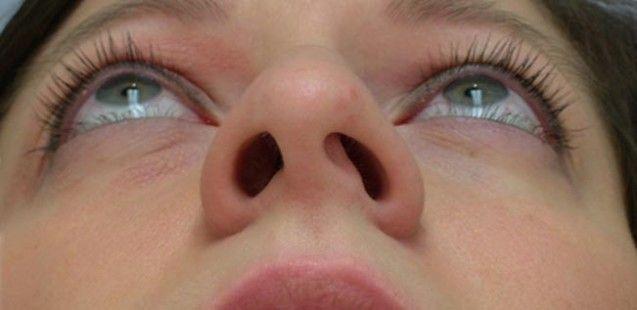
Septoplasty is a surgical procedure that corrects a deviated nasal septum. The septum is the wall of cartilage and bone that separates the two nasal passages.
When the septum is significantly bent or displaced, it can block airflow and lead to breathing difficulties. During septoplasty, the surgeon reshapes or repositions the septum to improve airflow through the nose.
Unlike cosmetic nose surgery, septoplasty is performed to restore normal nasal function and improve breathing.
Is Septoplasty Considered a Medical Procedure?
Yes. Septoplasty is generally classified as a functional or medically necessary procedure when it is performed to correct breathing problems caused by a deviated septum.
Doctors may recommend septoplasty for patients who experience:
- Persistent nasal obstruction
- Difficulty breathing through the nose
- Frequent sinus infections
- Chronic nasal congestion
- Recurrent nosebleeds related to septal deviation
- Snoring associated with nasal blockage
Because the purpose of the surgery is to improve health rather than appearance, some insurance providers may offer coverage if specific requirements are met.
When Might Insurance Cover Septoplasty?
Insurance companies often evaluate whether the surgery is medically necessary.
Coverage may be more likely when:
Conservative Treatment Has Failed
Patients have tried medications such as nasal sprays or allergy treatments without achieving lasting relief.
Symptoms Affect Daily Life
The breathing problems interfere with sleep, exercise, work, or normal daily activities.
Medical Documentation Supports the Need
An ENT specialist provides evidence showing that the deviated septum is responsible for the patient's symptoms.
Diagnostic Evaluation Confirms the Condition
The diagnosis is supported by a physical examination, nasal endoscopy, or other appropriate assessments.
Each insurance provider has its own approval process, so coverage cannot be guaranteed without reviewing the policy.
Situations Where Insurance May Not Apply
Coverage may be limited or unavailable when septoplasty is performed primarily for cosmetic reasons.
For example, if the surgery is combined with rhinoplasty solely to improve the appearance of the nose, the cosmetic portion of the procedure is often not covered by insurance.
However, if functional correction and cosmetic enhancement are performed together, insurance may cover the medically necessary portion while the patient pays separately for the cosmetic component.
Documents That May Be Required
Insurance providers commonly request medical documentation before approving surgery.
This may include:
- Medical history
- Details of ongoing symptoms
- Physical examination findings
- ENT specialist's evaluation
- Records of previous treatments
- Diagnostic reports if necessary
Providing complete documentation helps support the claim for medical necessity.
Questions to Ask Your Insurance Provider
Before scheduling surgery, patients should contact their insurance company and ask:
- Is septoplasty covered under my policy?
- Are pre-authorization or referrals required?
- Which hospitals or clinics are included in my network?
- What portion of the cost will I be responsible for?
- Are follow-up appointments included?
- Are anesthesia and hospital charges covered?
Understanding these details helps avoid unexpected expenses.
What Costs May Still Apply?
Even if insurance provides partial coverage, patients may still be responsible for certain costs.
Depending on the policy, these may include:
- Consultation fees
- Deductibles
- Co-payments
- Additional diagnostic tests
- Medications
- Charges for non-covered services
Patients should request a detailed cost estimate before treatment begins.
Benefits of Septoplasty
Whether covered by insurance or paid privately, septoplasty offers several important long-term benefits.
Improved Breathing
Correcting the septum allows air to pass more freely through the nose.
Better Sleep
Improved airflow often reduces snoring related to nasal obstruction and supports restful sleep.
Fewer Sinus Infections
Better drainage inside the nose lowers the likelihood of recurring infections.
Reduced Mouth Breathing
Patients often return to natural nasal breathing after recovery, reducing dry mouth and throat irritation.
Long-Term Functional Improvement
Septoplasty addresses the structural cause of nasal obstruction rather than simply relieving symptoms temporarily.
Recovery After Septoplasty
Recovery is generally smooth when patients follow their surgeon's instructions.
Most individuals experience:
- Mild swelling
- Temporary nasal congestion
- Slight bleeding
- Minor discomfort
Doctors usually recommend:
- Rest during the first few days
- Sleeping with the head elevated
- Avoiding strenuous activities
- Taking prescribed medications
- Attending follow-up appointments
Many patients return to office work within one week, while complete healing continues over the following months.
Choosing the Right Clinic
Regardless of insurance coverage, selecting an experienced clinic is essential.
Look for:
- Qualified ENT specialists
- Advanced surgical facilities
- Personalized treatment plans
- Transparent pricing
- Comprehensive follow-up care
High-quality medical care contributes to safer surgery and better long-term outcomes.
Why a Consultation Is Important
Every patient's condition is unique.
A consultation allows the ENT specialist to:
- Confirm whether the septum is causing the symptoms
- Discuss treatment options
- Explain the expected benefits
- Review potential costs
- Provide documentation that may support insurance approval
This evaluation helps patients make informed decisions about their care.
Final Thoughts
Whether Septoplasty in Islamabad is covered by insurance depends on the patient's individual insurance policy and whether the procedure is considered medically necessary. When surgery is performed to improve breathing and treat symptoms caused by a deviated septum, insurance may provide partial or full coverage, depending on the provider's requirements.
Before scheduling surgery, patients should consult both their ENT specialist and insurance company to understand eligibility, required documentation, and expected costs. Careful planning helps ensure a smooth treatment experience with no unexpected financial surprises.
If you are considering Septoplasty in Islamabad, Enfield Royal Clinics offers expert ENT consultations, advanced diagnostic evaluations, and personalized treatment plans. The team can guide you through the treatment process and help you understand the costs and documentation needed before your procedure.




 English
 Arabic
 French
 Spanish
 Portuguese
 Deutsch
 Turkish
 Italiano
 Russian
 Romaian
 Portuguese (Brazil)
 Greek
Greek