


How the Car Valuation Process Works in the Australian Automotive Market
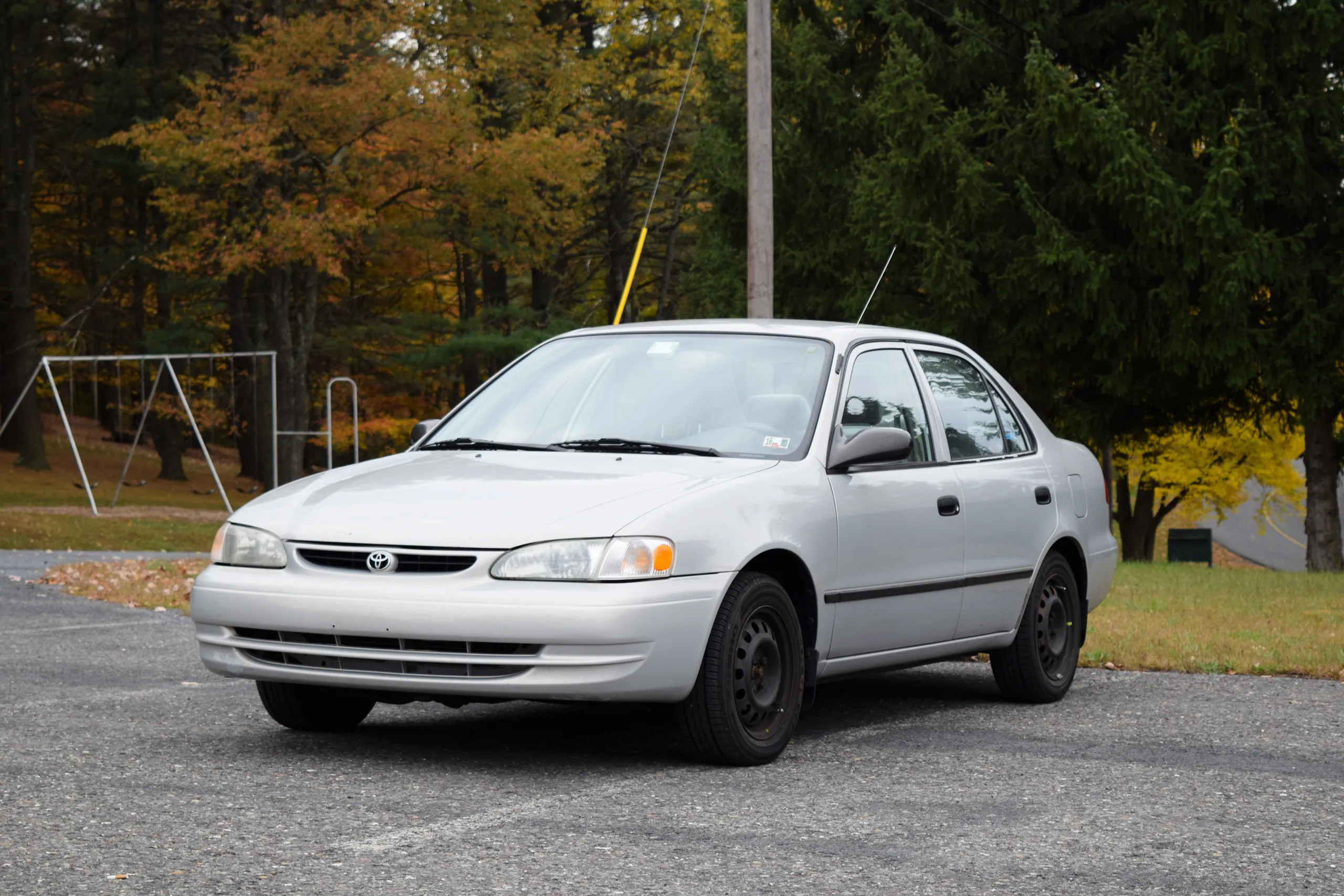
When Melissa Tran decided to part ways with her ageing Toyota Corolla in outer Brisbane, she assumed the process would involve weeks of haggling with strangers on classifieds sites. Instead, she discovered she could get a free online quote in under two minutes, a shift in expectations that now defines how everyday Australians approach vehicle valuation. Her experience, echoed across thousands of transactions each month, illustrates a broader transformation in the Australian automotive market: valuation has moved from opaque guesswork to a data-driven, largely automated discipline.
This case study examines how that transformation happened, what actually determines a car's worth in 2026, and why understanding the mechanics behind valuation matters whether you're offloading a family sedan, a fleet vehicle, or a car that's reached the end of its roadworthy life.
Australia's used car market is unusually diverse by international standards. Vast distances between capital cities, varying registration and roadworthy requirements across states and territories, and a strong culture of private vehicle ownership have all shaped a valuation landscape that can't simply borrow overseas models wholesale. A ute in the Northern Territory carries different demand pressures to a hatchback in the Sydney inner west, and any credible valuation system has to account for that variation rather than applying a single national average.
The Problem: Valuation Uncertainty and Information Asymmetry
For decades, the biggest frustration facing Australian car sellers was simple: nobody quite knew what a vehicle was actually worth. Dealers held the cards, private buyers lowballed based on gut feeling, and sellers were left comparing wildly inconsistent figures from different sources. A 2004 Holden Commodore might fetch $2,500 from one buyer and $4,000 from another, with no clear explanation for the gap.
This information asymmetry was particularly acute for older, damaged, or unregistered vehicles, precisely the segment most likely to be sold to wreckers and scrap dealers rather than through traditional dealership trade-ins. Sellers in this category often accepted the first offer out of convenience, unaware that condition-adjusted market data could have delivered a significantly better outcome.
The Solution: A Structured, Multi-Factor Valuation Framework
Modern car valuation in Australia now rests on a repeatable framework, whether it's applied by a metropolitan dealership, an insurance assessor, or a cash-for-cars operator. Understanding each stage demystifies what can otherwise feel like a black box.
Step One: Establishing the Baseline Market Value
Every valuation begins with a baseline figure drawn from comparable sales data. This includes the make, model, year, variant, and engine specification, cross-referenced against recent transaction records across the relevant state or territory. Redbook and Glass's Guide remain foundational references within the industry, though most valuation platforms now blend this data with live marketplace listings to reflect real-time demand shifts rather than historical averages alone.
Regional variation matters here too. A four-wheel drive commands a different premium in regional Queensland than it does in inner-city Melbourne, reflecting practical usage patterns and local buyer demand. This is where geographic targeting genuinely changes the outcome of a valuation, not just the marketing around it.
Step Two: Condition Assessment and Depreciation Adjustment
Once a baseline is set, the vehicle's actual condition is layered in. Assessors typically examine:
- Odometer reading relative to the vehicle's age
- Mechanical condition, including engine, transmission, and drivetrain health
- Bodywork integrity, panel alignment, and evidence of prior repairs
- Interior wear, upholstery condition, and functioning electronics
- Service history completeness and adherence to manufacturer schedules
Each of these factors either supports or erodes the baseline figure. A vehicle with full service records and low kilometres for its age can retain value well above the market average, while one with inconsistent maintenance, structural damage, or an odometer reading well beyond expected wear will see the figure adjusted downward, sometimes substantially.
Step Three: Market Demand and Liquidity Factors
Valuation isn't purely mechanical; it also accounts for how quickly a given vehicle type can be resold or repurposed. Popular commuter models with strong parts interchangeability, such as Corollas, Camrys, and Commodores, tend to hold liquidity value even in poor condition because wreckers can recover parts efficiently. Conversely, niche imports or discontinued models may fetch lower offers not because they lack quality, but because the resale and parts market for them is thinner.
This is a critical distinction that many sellers overlook: a car's valuation reflects not just what it's worth to drive, but what it's worth to the next party in the chain, whether that's a private buyer, a dealership, or a dismantler extracting reusable components.
Step Four: Instant Digital Quoting
The final stage, and the one most visible to everyday Australians, is the instant online quote. Reputable platforms now combine the three preceding steps into an algorithm that produces a figure within seconds of a seller entering their vehicle's registration, make, model, and condition details. This has fundamentally reshaped seller expectations. Where a valuation once required a physical inspection and a wait of several days, the process is now largely front-loaded, with a final confirmation inspection serving to validate rather than establish the offer.
The Results: What Changed for Australian Sellers
Melissa's Corolla example reflects a pattern seen across the industry. Sellers who previously accepted the first offer they received are now comparing multiple quotes within minutes, armed with a clearer understanding of what drives the number up or down. Operators who adopted transparent, multi-factor valuation models have seen measurably higher customer satisfaction and repeat referrals, largely because sellers no longer feel like they're negotiating blind.
For end-of-life and damaged vehicles specifically, this shift has been even more pronounced. Cars that once sat unsold in driveways for months, because owners assumed they held no value, are now being assessed accurately for their scrap metal, parts salvage, and recycling worth. This has contributed to higher formal recycling rates and fewer vehicles abandoned or sold informally at a fraction of their true value.
The knock-on effect extends beyond individual transactions. As more sellers gain access to accurate, comparable valuation data, the informal cash economy that once dominated the lower end of the used car market has gradually given way to more accountable, traceable transactions. This benefits sellers through fairer pricing, but it also benefits the wider industry, since properly documented sales support smoother registration transfers and reduce disputes over vehicle history down the track.
The Role of Regulation and Environmental Standards
Valuation in Australia doesn't happen in a vacuum; it's shaped by an evolving regulatory backdrop. State-based roadworthy certificate requirements, differing registration transfer processes, and growing emphasis on end-of-life vehicle recycling standards all feed into how a car is priced and processed once it changes hands.
Operators handling end-of-life vehicles are increasingly expected to demonstrate responsible dismantling practices, including proper handling of fluids, batteries, and airbags, alongside maximising the recovery of reusable parts and recyclable metal. This isn't just a compliance exercise. It directly affects valuation, because a buyer with an efficient, well-run dismantling operation can typically extract more recoverable value from a vehicle than one operating informally, and that efficiency translates into a better offer for the seller. Sellers who ask a prospective buyer about their recycling and compliance practices are, in effect, asking a question that has a direct bearing on the number they're offered.
This regulatory dimension also explains why offers can vary noticeably between operators for the same vehicle. A buyer who has invested in proper facilities and streamlined logistics has lower per-vehicle overheads than one relying on ad hoc arrangements, and that efficiency gap often shows up directly in the quote a seller receives.
For Brisbane sellers weighing up an end-of-life or damaged vehicle, this is also where free car removal becomes part of the value equation, not just the offer itself. Services such as https://localcashforcar.com.au/car-removal-brisbane/ handle collection at no cost to the seller, which removes what was traditionally a hidden expense (towing or transport) from the overall transaction and effectively adds to the real-world value of accepting a quote.
Why Condition Documentation Still Matters
Even with sophisticated algorithms doing the heavy lifting, human input remains essential. Photographs, honest disclosure of damage, and accurate odometer readings all feed directly into the accuracy of a quote. Sellers who under-report condition issues typically see a downward adjustment at the physical inspection stage, which can undermine trust and slow the transaction. Being upfront from the outset consistently produces a smoother, faster sale.
What Determines the Final Sale Price After the Initial Quote?
Buyers commonly ask why the number they see online can shift slightly once a physical inspection occurs. The honest answer is that online quotes are built on the information provided at the point of entry, while the final figure accounts for anything not visible in that initial description, such as hidden rust, mechanical faults uncovered during a test start, or discrepancies between the stated and actual odometer reading. In the vast majority of cases, particularly for straightforward vehicles in the condition described, the final offer matches or comes very close to the original online figure.
Does the Age of a Vehicle Automatically Reduce Its Value?
Age plays a role, but it's rarely the dominant factor people assume it to be. A well-maintained fifteen-year-old vehicle with full service history can outperform a poorly kept five-year-old car in valuation terms. What matters more than the number of years on the road is the cumulative wear, mechanical soundness, and ongoing demand for that specific model. This is particularly true in the wrecking and cash-for-cars segment, where older vehicles with interchangeable parts often retain strong salvage value regardless of cosmetic age.
How Do Online Valuation Tools Compare to In-Person Dealership Appraisals?
Online tools offer speed and a broad data set drawn from thousands of comparable transactions, while in-person appraisals allow for a hands-on inspection that can catch issues an owner might not think to mention. In practice, the two approaches have converged. Most reputable buyers now use online quoting as the first step, followed by a brief physical check to confirm details, giving sellers the convenience of digital speed without sacrificing the accuracy of a proper inspection.
Is It Worth Getting Multiple Valuations Before Selling?
Yes, and this is one of the simplest ways sellers can protect their interests. Because valuation platforms weight data slightly differently, and because demand for specific models can vary between buyers, comparing two or three quotes typically reveals a clearer picture of true market value. This costs nothing, takes only a few extra minutes, and consistently results in better-informed selling decisions.
What Happens to a Vehicle's Value if It's Unregistered or Written Off?
Unregistered and written-off vehicles are valued differently, based primarily on parts recovery and scrap metal weight rather than roadworthy market comparisons. This doesn't mean these vehicles are worthless; in fact, many owners are surprised by how much value remains in a car they assumed was only fit for the tip. The valuation shifts from a roadworthy market model to a salvage and recycling model, but a structured process still applies.
The Broader Shift Toward Transparency
What Melissa's experience, and thousands like it, demonstrates is a maturing market. Australian consumers increasingly expect the same transparency from car valuations that they've come to expect from other digital services: clear inputs, an understandable process, and a fast, fair output. Operators who embrace this structured, multi-factor approach are building longer-term trust with sellers, while those still relying on vague, unexplained offers are increasingly being bypassed in favour of platforms that show their working.
For anyone weighing up whether to sell privately, trade in, or approach a specialist buyer, the practical takeaway is straightforward: understand the factors above, gather accurate documentation, and compare more than one offer. The valuation process itself has become far more sophisticated, and sellers who engage with it informed are consistently the ones who walk away with the best outcome.

 English
 Arabic
 French
 Spanish
 Portuguese
 Deutsch
 Dutch
Dutch
 Italiano
 Russian
 Romaian
 Portuguese (Brazil)
 Greek
Greek