


Pregnancy Blood Test: A Complete Beginner's Guide
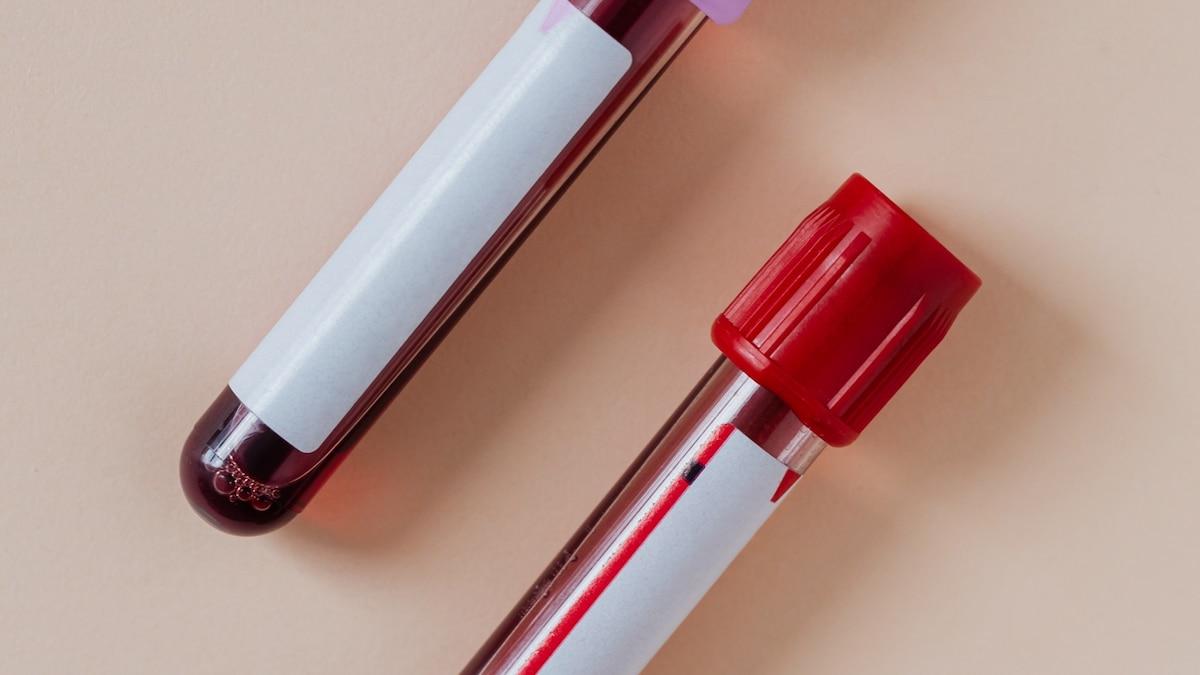
Discovering a possible pregnancy is an exciting and emotional experience, and getting accurate confirmation is often the first priority. While home pregnancy tests are widely used, a Pregnancy Blood Test Dubai offers greater accuracy and can detect pregnancy earlier. It is commonly recommended by healthcare providers when early confirmation, fertility monitoring, or evaluation of pregnancy health is needed.
If you've never had a pregnancy blood test before, you may have questions about how it works, when to take it, what the results mean, and whether it is better than a urine pregnancy test. This complete beginner's guide answers those questions in simple, easy-to-understand language while providing reliable, evidence-based information.
Whether you are trying to conceive, experiencing early pregnancy symptoms, or simply want to understand the testing process, this guide covers everything you need to know.
What Is a Pregnancy Blood Test?
A pregnancy blood test is a laboratory test that detects human chorionic gonadotropin (hCG), the hormone your body produces after a fertilized egg implants into the uterus.
Unlike home pregnancy tests that analyze urine, a blood test measures hCG directly in the bloodstream. Since hCG appears in blood before it becomes concentrated in urine, pregnancy can often be detected several days earlier through blood testing.
Healthcare professionals use pregnancy blood tests not only to confirm pregnancy but also to monitor hormone levels and evaluate early pregnancy development.
Why hCG Is Important During Pregnancy?
The pregnancy hormone human chorionic gonadotropin (hCG) plays an essential role during the first trimester.
After implantation, developing placental tissue begins producing hCG to support the pregnancy. The hormone helps maintain progesterone production, which keeps the uterine lining healthy and supports embryo growth.
Because hCG increases rapidly during early pregnancy, it serves as one of the earliest biological signs that pregnancy has begun.
Its predictable rise also allows healthcare providers to monitor pregnancy progression through laboratory testing.
The Two Main Types of Pregnancy Blood Tests:
Not all pregnancy blood tests provide the same information. Doctors choose between two types depending on the medical situation.
Qualitative hCG Blood Test:
A qualitative pregnancy blood test simply determines whether hCG is present.
The laboratory reports one of two results:
-
Positive
-
Negative
This test is commonly ordered when the goal is to confirm pregnancy.
Quantitative Beta hCG Blood Test:
A quantitative test, also called a beta hCG test, measures the exact amount of hCG in your bloodstream.
The results are reported numerically in mIU/mL (milli-international units per milliliter).
Healthcare providers use quantitative testing to:
-
Confirm early pregnancy
-
Monitor pregnancy progression
-
Evaluate fertility treatment
-
Detect ectopic pregnancy
-
Assess miscarriage risk
-
Monitor hormone changes over time
This test provides much more detailed clinical information than a simple positive or negative result.
How Does a Pregnancy Blood Test Work?
The process is simple and usually takes only a few minutes.
A healthcare professional collects a small blood sample from a vein in your arm using a sterile needle. The sample is then sent to a medical laboratory where advanced equipment measures hCG levels.
Unlike over-the-counter pregnancy tests, laboratory blood tests use highly sensitive technology capable of detecting very small amounts of the pregnancy hormone.
Results are typically available within several hours or by the following business day.
When Should You Get a Pregnancy Blood Test?
Timing has a major impact on the accuracy of pregnancy testing.
Although blood tests detect pregnancy earlier than urine tests, testing immediately after conception will not produce a positive result because hCG has not yet been produced.
Most healthcare providers recommend testing:
-
After implantation has occurred
-
Around 6 to 8 days after ovulation for early detection
-
After a missed menstrual period for maximum accuracy
-
According to fertility treatment schedules during IVF
If the first test is negative but pregnancy is still suspected, repeat testing after 48 hours may be recommended.
Pregnancy Blood Test vs. Home Pregnancy Test:
Both methods detect hCG, but they differ in sensitivity and purpose.
Pregnancy Blood Test:
Benefits include:
-
Earlier pregnancy detection
-
More than 99% laboratory accuracy
-
Exact hCG measurement
-
Better monitoring of pregnancy progression
-
Useful for fertility treatments and high-risk pregnancies
Home Urine Pregnancy Test:
Benefits include:
-
Convenient home use
-
Immediate results
-
Affordable
-
Reliable after a missed period
For individuals who need the earliest possible confirmation or detailed hormone monitoring, blood testing remains the preferred option.
What Happens During the Appointment?
If you are having your first pregnancy blood test, knowing what to expect can help you feel more comfortable.
The procedure generally includes:
-
Registering at the laboratory or clinic.
-
Confirming your medical information.
-
Cleaning the skin on your arm.
-
Drawing a small blood sample.
-
Applying a bandage after the needle is removed.
The appointment usually lasts less than fifteen minutes.
Most people experience only minor discomfort similar to any routine blood test.
Understanding Pregnancy Blood Test Results:
The meaning of your results depends on which type of blood test was performed.
Qualitative Results:
The report simply states:
-
Positive
-
Negative
Quantitative Results:
The report includes an exact hCG value.
General interpretation includes:
-
Less than 5 mIU/mL generally indicates no pregnancy.
-
Between 5 and 25 mIU/mL may require repeat testing.
-
Above 25 mIU/mL usually confirms pregnancy.
Doctors focus more on how hCG changes over time than on one individual number.
Healthy early pregnancies often show steadily increasing hormone levels over several days.
Why Your Doctor May Recommend Repeat Testing?
Receiving one pregnancy blood test is not always enough.
Healthcare providers often repeat quantitative hCG testing every 48 to 72 hours to evaluate hormone progression.
Repeat testing is commonly recommended for:
-
Very early pregnancy
-
Fertility treatment monitoring
-
Suspected ectopic pregnancy
-
Recurrent miscarriage evaluation
-
High-risk pregnancy care
Monitoring changes provides much more useful information than a single laboratory result.
Factors That Can Affect Results:
Although pregnancy blood tests are extremely accurate, several factors influence interpretation.
These include:
Testing Too Early:
If implantation has not yet occurred, hCG may not be detectable.
Irregular Ovulation:
Late ovulation shifts implantation and hormone production.
Fertility Medications:
Some fertility drugs contain hCG, temporarily affecting blood test results.
Recent Pregnancy:
Residual hCG may remain in the bloodstream for several weeks after miscarriage, childbirth, or pregnancy termination.
Healthcare providers consider your medical history before interpreting laboratory findings.
Common Benefits of Pregnancy Blood Testing:
Pregnancy blood tests offer several advantages over urine testing.
These include:
-
Earlier pregnancy confirmation
-
Greater laboratory sensitivity
-
Accurate hormone measurement
-
Better evaluation of pregnancy progression
-
Detection of certain pregnancy complications
-
Support for assisted reproductive treatments
-
Reliable follow-up during high-risk pregnancies
These advantages make blood testing an important diagnostic tool in modern prenatal care.
Common Myths Beginners Should Ignore:
People often encounter misleading information about pregnancy blood tests.
Some common myths include:
-
A blood test detects pregnancy immediately after conception.
-
Higher hCG always means twins.
-
Fasting is required before testing.
-
One hCG result determines pregnancy health.
-
Every pregnancy has identical hormone levels.
In reality, pregnancy blood tests measure hCG only after implantation, fasting is usually unnecessary, and healthcare providers evaluate hormone trends rather than relying on a single value.
Frequently Asked Questions:
Is a pregnancy blood test more accurate than a urine test?
Yes. Blood tests are generally more sensitive and can detect lower hCG levels earlier than urine tests.
How long does the procedure take?
The blood collection usually takes less than ten minutes, while the entire appointment often lasts about fifteen minutes.
Can I eat before the test?
Yes. Fasting is not required unless additional laboratory tests have been ordered.
Is the test painful?
Most people experience only brief discomfort during the blood draw.
When should I contact my healthcare provider?
If you have unusual symptoms such as severe abdominal pain, heavy bleeding, or questions about your test results, contact your healthcare provider promptly.
Final Thoughts:
A pregnancy blood Lab tests is one of the most accurate, reliable, and informative methods for confirming pregnancy and monitoring its earliest stages. By measuring human chorionic gonadotropin (hCG) directly in the bloodstream, it provides earlier detection than most home pregnancy tests and offers valuable insight into pregnancy progression. Whether you are trying to conceive naturally, undergoing fertility treatment, or seeking medical confirmation after early pregnancy symptoms, understanding how pregnancy blood testing works can help you make informed decisions with confidence.
For beginners, the process is straightforward, safe, and highly dependable. Knowing the different types of pregnancy blood tests, the best time to take one, and how healthcare providers interpret hCG levels will help you better understand your results and prepare for the next steps in your pregnancy journey.

 English
 Arabic
 French
 Portuguese
 Deutsch
 Turkish
 Dutch
Dutch
 Italiano
 Russian
 Romaian
 Portuguese (Brazil)
 Greek
Greek