


How to Select the Right Combo Vending Machine for Your Business Needs
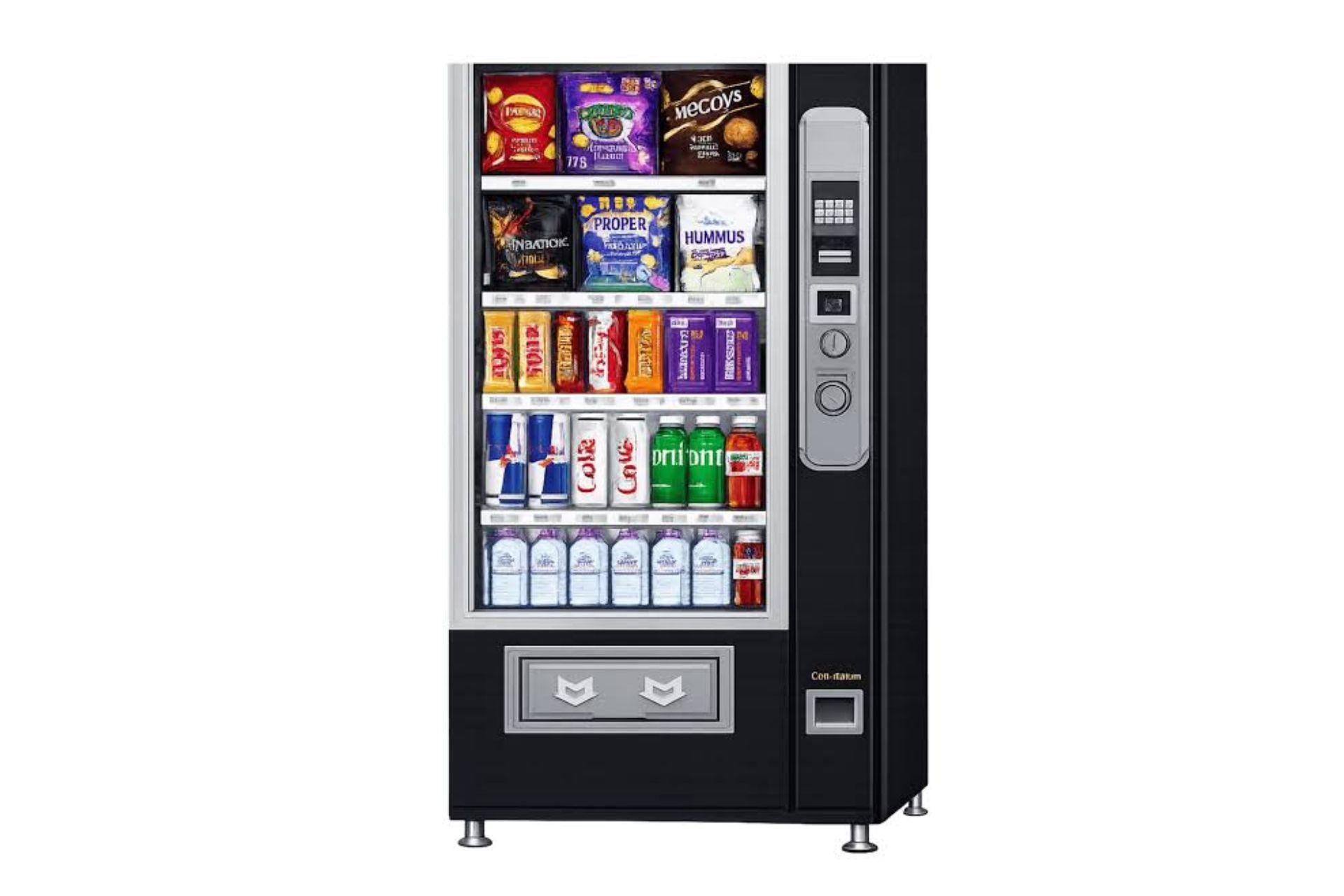
Choosing the right combo vending machine for your business is one of those decisions that looks straightforward on the surface but carries considerable weight once you factor in location, product range, foot traffic, and long-term profitability. Whether you are equipping a bustling office in Melbourne, a gym facility on the Gold Coast, or a school campus in Perth, the vending solution you select will directly influence user satisfaction, revenue generation, and operational efficiency. This guide walks you through every key consideration, helping you make a confident, well-informed decision that aligns with your business goals.
What Is a Combo Vending Machine?
A combo vending machine is a single unit that dispenses both snacks and beverages, combining two product categories into one streamlined cabinet. Rather than investing in two separate machines, a combo unit allows businesses to maximise floor space while offering a broader selection to customers or staff. These machines typically feature dedicated refrigerated sections for cold drinks alongside ambient compartments for packaged snacks, confectionery, and even light meal options.
The appeal of a combo format is particularly strong in the Australian market, where smaller venues, compact workplaces, and regional locations may not have the physical footprint or the consistent demand to justify running separate snack and drink machines side by side. For these settings, a combo unit represents an elegant and cost-effective solution.
Assessing Your Location and Foot Traffic
Before comparing models or suppliers, the single most important step is a thorough assessment of where the machine will be placed and how many people will interact with it daily.
High-traffic environments such as hospitals, universities, transport hubs, and large manufacturing facilities can support machines with larger product capacities and more sophisticated technology, including cashless payment systems, touch-screen interfaces, and real-time inventory monitoring. In these locations, a machine that runs out of stock mid-afternoon represents a direct loss of revenue and an inconvenience to users.
Low-to-medium traffic locations such as small offices, salons, community centres, or boutique fitness studios require a different approach. Here, a compact combo unit with a leaner product selection will serve the space more effectively. Overstocking a quiet location leads to product expiry, wastage, and reduced margins.
A practical rule of thumb is to estimate your expected daily transaction volume and work backwards from there. Suppliers with experience in the Australian market can assist you in matching machine capacity to your specific site.
Understanding Product Compatibility
Not all combo vending machines handle every product type equally well. The physical dimensions of the machine's coils, trays, and dispensing channels determine what can actually be stocked without jamming, misfiring, or causing product damage.
Consider the following product categories common in Australian vending contexts:
Standard packaged snacks: Chips, nuts, muesli bars, and confectionery are universally compatible with most combo units. These are the bread-and-butter products for any vending operation.
Beverages: Canned and bottled drinks ranging from water and soft drink to energy drinks and iced coffee require adequate refrigeration. Confirm the machine's cooling capacity and whether it maintains consistent temperatures in both summer and winter conditions, which can vary significantly across Australian states and territories.
Health and wellness products: There is growing demand across Australia for healthier vending options, including protein bars, trail mixes, kombucha, and low-sugar beverages. Not all machines accommodate the varying shapes and weights of health-focused packaging, so compatibility checks are essential.
Meals and fresh items: Some premium combo units can hold refrigerated fresh items such as sandwiches, sushi, or yoghurt cups alongside dry snacks. These machines require more precise temperature control and more frequent restocking, which affects your operational logistics significantly.
What Products Sell Best in Australian Vending Machines?
This is one of the most commonly asked questions by businesses entering the vending space for the first time. In the Australian market, the top performers consistently include bottled water, energy drinks, salted snacks, chocolate bars, and muesli bars. However, demand is shifting. Health-conscious consumers, particularly in corporate and fitness-focused environments, are increasingly seeking protein-rich snacks, natural fruit bars, and lower-sugar beverage alternatives. A well-configured combo unit that caters to both traditional preferences and modern health trends tends to achieve the highest average sales across diverse Australian locations.
Evaluating Payment Technology
Payment flexibility is no longer a bonus feature in the Australian vending landscape. It is a baseline expectation. The transition away from cash transactions has accelerated dramatically, particularly following the pandemic period, and vending machines that only accept coins risk alienating a significant proportion of potential users.
Modern combo vending machines should, at a minimum, support:
Card payments: Both tap-and-pay (contactless) and chip-insert options are essential. Australians are among the world's highest adopters of contactless payment technology, and a machine without this capability will register noticeably lower transaction volumes.
Mobile payments: Apple Pay and Google Pay compatibility allows users to transact using their smartphones or smartwatches, which is increasingly the preferred method among younger demographics.
EFTPOS integration: Particularly relevant for higher-priced items such as fresh meals or premium beverages, integrated EFTPOS functionality ensures smooth transaction processing without connectivity issues.
Cash acceptance (optional): While cash usage is declining, certain locations such as schools, aged care facilities, or regional community venues may still have significant cash-paying user bases. Assessing your specific audience before dismissing cash functionality is worthwhile.
How Much Does It Cost to Run a Vending Machine in Australia?
Running costs vary depending on acquisition method, location, and product mix. If you opt for a free-on-loan or hire arrangement through a reputable supplier, your upfront investment is minimal, and the supplier typically covers maintenance, servicing, and restocking support. If you purchase or lease a machine outright, ongoing costs include electricity (typically between $150 and $400 per year per machine depending on size and refrigeration demands), product procurement, and any maintenance contracts. Payment processing fees for cashless transactions usually range from one to three per cent per sale. Overall, a well-placed combo unit in a medium-to-high traffic location can be operated profitably with relatively modest overheads.
Technology, Telemetry, and Remote Monitoring
One of the most significant advances in modern vending is the integration of telemetry and remote monitoring systems. These platforms allow operators or suppliers to view real-time stock levels, sales data, temperature readings, and machine health diagnostics from any internet-connected device.
For businesses managing multiple locations or working with a vending supplier to co-manage operations, telemetry dramatically reduces the inefficiency of unnecessary site visits and ensures that high-demand products are restocked before stockouts occur. It also provides granular sales data that can inform product selection adjustments over time, helping you optimise the machine's revenue performance on an ongoing basis.
When evaluating the best vending machines available in the Australian market, telemetry capability is increasingly a differentiating factor. Suppliers offering machines with cloud-connected monitoring systems provide a more transparent and professionally managed experience than those relying on manual stock checks and reactive servicing.
Acquisition Options: Buy, Lease, Hire, or Free Placement
One of the most consequential decisions you will make is how you acquire the machine. Each model has different financial implications, risk profiles, and levels of operational involvement.
Purchasing outright gives you full ownership and maximum control over product selection, pricing, and servicing. However, it requires significant upfront capital and places all maintenance responsibility on you.
Leasing spreads the cost over a fixed term and may include servicing provisions depending on the agreement. It is a useful option for businesses that want ownership-level control without the full upfront expense.
Hiring involves ongoing rental payments with the supplier retaining ownership. This typically includes servicing and sometimes restocking support, reducing your operational burden.
Free placement or revenue-share arrangements are increasingly popular in Australia, particularly through established national suppliers. Under this model, the supplier installs and maintains the machine at no cost to the host business in exchange for a share of the revenue generated or simply in exchange for access to the location. For many businesses, this is the most financially accessible entry point into vending.
Can I Get a Vending Machine for Free in Australia?
Yes. Several reputable Australian vending suppliers offer free machine placement to qualifying businesses and venues. Under these arrangements, the supplier provides, installs, and services the machine at their own cost. The host business benefits from a convenient amenity for staff, clients, or visitors without any capital outlay. Eligibility typically depends on foot traffic volume, location type, and the commercial viability of the site. Businesses with consistent daily foot traffic of 30 or more potential users are generally well-positioned to qualify for free placement.
Choosing a Reliable Australian Vending Supplier
The quality of your vending supplier is just as important as the quality of the machine itself. A reliable supplier offers more than just equipment. They provide ongoing technical support, timely restocking coordination, transparent reporting, and a genuine understanding of the Australian vending landscape.
When evaluating suppliers, consider:
National coverage: A supplier with the capacity to service your location regardless of whether you are in a capital city or a regional area ensures consistent maintenance standards.
Product range: Suppliers who offer a broad catalogue of machine types, including healthy, combo, frozen, coffee, and AI-enabled units, can grow alongside your business as your needs evolve.
Track record: Ask for references or case studies from comparable business types. A supplier experienced in outfitting corporate offices will bring different expertise than one specialising in gym or healthcare environments.
Service response times: Understand the supplier's committed response time for maintenance callouts. A machine that sits out of service for days is not only a lost revenue opportunity but a reputational inconvenience for the host venue.
What Size Vending Machine Do I Need for My Office?
The appropriate size depends primarily on the number of people the machine will serve. As a general guide, a compact combo unit is suitable for offices with up to 30 staff. Medium-capacity units work well for 30 to 100 people, while large-format machines or multiple units are advisable for workplaces exceeding 100 staff. Restocking frequency also plays a role. If your supplier visits weekly, a smaller capacity machine may suffice even in a medium-traffic environment. For offices where restocking is less frequent, greater internal capacity reduces the risk of stockouts between visits.
Are Combo Vending Machines Energy Efficient?
Modern combo vending machines have made substantial gains in energy efficiency compared to older generations. Most contemporary units use LED lighting, energy-saving compressors, and intelligent power management systems that reduce consumption during low-traffic periods. In Australia, where electricity costs are a meaningful consideration for any business, choosing an energy-rated machine can result in measurable savings over the machine's operational lifespan. Suppliers should be able to provide estimated annual energy consumption figures for any model they propose.
Making the Right Decision for Your Business
Selecting the ideal combo vending machine requires a structured approach. Begin with an honest assessment of your location and audience. Define your product priorities and confirm machine compatibility. Verify payment technology standards, and investigate the full range of acquisition models available to your business type. Finally, partner with a supplier whose capabilities, service standards, and experience align with the demands of your specific operation.
The Australian vending industry has matured considerably in recent years, and the range of solutions now available to businesses of all sizes is genuinely impressive. With the right machine, the right product mix, and the right supplier relationship, a combo vending unit can become a genuine asset to your workplace, venue, or facility for years to come.

 English
 Arabic
 French
 Portuguese
 Deutsch
 Turkish
 Dutch
Dutch
 Italiano
 Russian
 Romaian
 Portuguese (Brazil)
 Greek
Greek