


Architectural 360 Virtual Tours: Everything You Need Before Creating an Interactive Experience
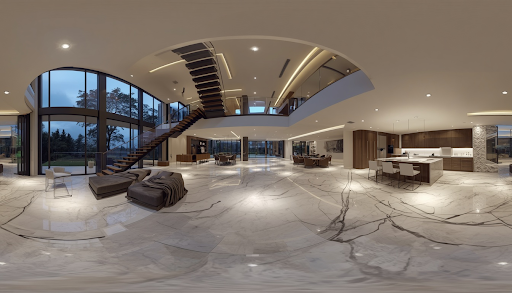
In today's digital world, architectural visualization has evolved far beyond traditional blueprints and static 3D renderings. One of the most effective ways to showcase a property or design is through Architectural 360 Virtual Tours. These immersive experiences allow clients, investors, and buyers to explore a building from anywhere, providing a realistic sense of space before construction is complete or a property is physically visited.Whether you're an architect, real estate developer, interior designer, or property marketer, understanding how 360 virtual tours work can help you create engaging presentations that improve decision-making and increase client satisfaction. This guide explains everything you need to know before creating an interactive architectural virtual tour.
What Are Architectural 360 Virtual Tours?
Architectural 360 virtual tours are interactive digital experiences that allow users to navigate through a property using panoramic, 360-degree views. Unlike traditional images, these tours let viewers look in every direction, move between rooms, zoom in on design details, and interact with specific elements.Virtual tours can be created for residential homes, commercial buildings, hotels, offices, educational institutions, and large development projects. They provide an immersive experience that helps viewers understand layouts, room proportions, materials, and overall design without being physically present.
Why Architectural 360 Virtual Tours Matter
As buyers and clients increasingly research properties online, interactive virtual tours have become a valuable marketing and communication tool. They bridge the gap between imagination and reality by providing a lifelike representation of architectural spaces.
Some of the key benefits include:
-
Improves client understanding of the design.
-
Enhances property marketing with immersive experiences.
-
Saves time by reducing unnecessary site visits.
-
Increases buyer confidence before making investment decisions.
-
Helps architects communicate design concepts more effectively.
-
Supports remote collaboration among project stakeholders.
These advantages make virtual tours an essential part of modern architectural presentations.
Key Elements of an Effective 360 Virtual Tour
Creating a successful architectural virtual tour requires more than panoramic photography. Every interactive experience should include several important elements.
High-Quality Visuals
The quality of your images or 3D renders directly impacts the viewer's experience. High-resolution visuals with realistic lighting, textures, and materials create a more convincing representation of the space.
Smooth Navigation
Users should be able to move naturally from one room to another without confusion. Clear navigation points and intuitive controls improve engagement and encourage visitors to explore the entire property.
Interactive Hotspots
Interactive hotspots allow viewers to click on objects or locations for additional information. These can include room descriptions, material specifications, floor plans, design notes, or multimedia content.
Accurate Scale and Proportions
One of the biggest advantages of architectural virtual tours is their ability to represent spaces realistically. Maintaining accurate dimensions ensures users develop realistic expectations about room sizes and layouts.
Steps to Create an Architectural 360 Virtual Tour
Developing a professional virtual tour typically follows a structured process.
1. Plan the Experience
Start by identifying your audience and defining the purpose of the tour. Decide which spaces should be included and determine the best viewing path.
2. Capture or Create Visual Content
Depending on the project stage, you can use panoramic photography for completed buildings or high-quality 3D renders for properties still under development.
3. Build the Interactive Tour
Use virtual tour software to connect panoramic scenes, add navigation controls, and create interactive hotspots. Keep the interface simple and easy to understand.
4. Optimize for Multiple Devices
Ensure the virtual tour works smoothly on desktops, tablets, and smartphones. Mobile-friendly experiences reach a wider audience and improve accessibility.
5. Test Before Publishing
Review every scene, hotspot, and navigation link before launching the tour. Fix broken links, improve loading speed, and verify that the experience performs well across different browsers.
Best Practices for Better User Experience
To maximize engagement, follow these proven best practices:
-
Use realistic lighting and detailed textures.
-
Keep navigation simple and intuitive.
-
Avoid overcrowding scenes with unnecessary information.
-
Include floor plans for better orientation.
-
Optimize image quality without slowing loading times.
-
Regularly update tours when designs change.
These practices help create a seamless and enjoyable viewing experience.
Common Applications of Architectural 360 Virtual Tours
Architectural virtual tours are widely used across multiple industries, including:
-
Residential property marketing
-
Commercial real estate presentations
-
Interior design showcases
-
Hospitality and hotel promotions
-
Educational campus tours
-
Construction project presentations
-
Facility management and maintenance planning
Their versatility makes them valuable for both marketing and project communication.
The Future of Architectural Virtual Tours
As technologies like virtual reality (VR), augmented reality (AR), and artificial intelligence continue to evolve, architectural 360 virtual tours are becoming even more immersive. Future tours may include real-time customization, virtual staging, interactive design changes, and collaborative walkthroughs that allow multiple users to explore a space together from different locations.These innovations will continue to transform how architects, developers, and clients visualize and experience buildings before construction is completed.
Conclusion
Architectural 360 virtual tours have become an essential tool for presenting designs, marketing properties, and improving client engagement. By combining high-quality visuals, intuitive navigation, and interactive features, these immersive experiences provide a realistic understanding of architectural spaces that traditional images cannot match. Whether you're showcasing a new development or presenting a design concept, investing in a well-crafted 360 virtual tour can enhance communication, build trust, and create a memorable experience for every viewer.

 English
 Arabic
 French
 Spanish
 Portuguese
 Deutsch
 Dutch
Dutch
 Italiano
 Russian
 Romaian
 Portuguese (Brazil)
 Greek
Greek