


How Scrap Metal Recycling Helps Reduce Landfill Waste
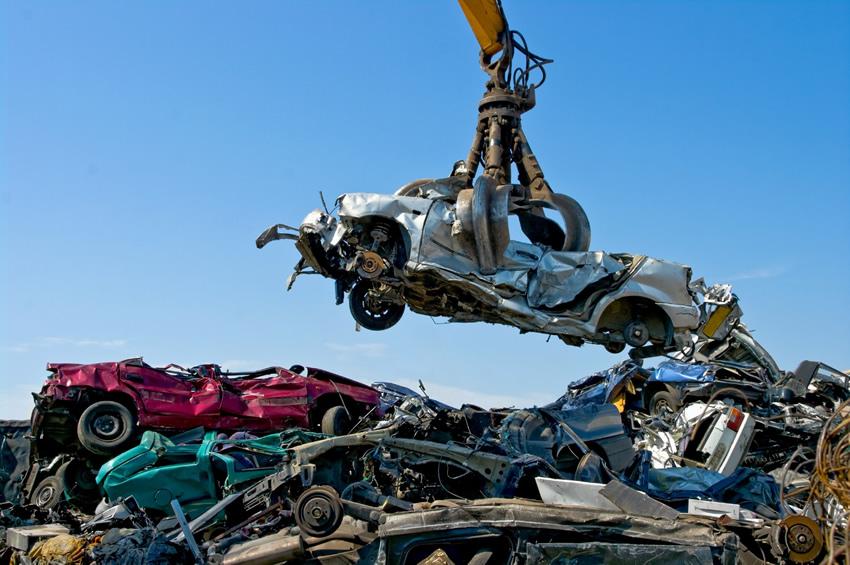
Every day, homes, workshops, factories, and building sites produce metal waste. Old tools, broken appliances, damaged car parts, steel beams, pipes, and aluminium items often reach the end of their use. Many people think these materials have no purpose after they wear out. The truth is very different.
Scrap metal recycling gives these materials another life. Instead of filling landfill sites, metal can become a raw material for new products. This process keeps useful resources in use and reduces the amount of waste that ends up buried in the ground.
Australia produces millions of tonnes of waste every year. Metal forms a noticeable part of this waste stream. Recycling these materials helps protect land, saves natural resources, and lowers the need for mining. Every recycled metal item keeps another piece of waste out of landfill.
What Is Scrap Metal Recycling?
Scrap metal recycling is the process of collecting used metal, sorting it, processing it, and turning it into material that manufacturers can use again.
Many different metals can go through this process, including:
- Steel
- Iron
- Aluminium
- Copper
- Brass
- Stainless steel
- Lead
- Zinc
These metals can come from many places such as homes, factories, farms, offices, and construction sites.
Unlike many other materials, metal can often be recycled many times without losing its main properties. This makes it one of the most useful materials for recycling.
Why Landfill Waste Is a Growing Problem
Landfill sites are built to hold waste that cannot be reused or recycled. As Australia's population grows, the amount of rubbish also grows.
Large landfill sites create several problems.
They Take Up Valuable Land
Landfills need large areas of land. Once they become full, new sites must be developed. Finding suitable land becomes harder every year.
They Can Affect Soil and Water
Rainwater can pass through landfill waste and carry unwanted substances into the surrounding soil. If not managed well, nearby water sources can also be affected.
They Create Long-Term Waste
Many materials remain buried for decades. Metal does not disappear after a few years. It stays in landfill even though it could still be useful.
Why Metal Should Not Go to Landfill
Metal is different from many other waste materials because it can be used again.
Throwing metal into landfill means valuable resources stay buried instead of returning to production.
Many common metal items still contain useful material, including:
- Washing machines
- Refrigerators
- Bicycles
- Roofing sheets
- Steel fencing
- Car panels
- Copper wiring
- Aluminium cans
Each recycled item reduces the need to produce the same amount of new metal from raw materials.
How Scrap Metal Recycling Works
The recycling process follows several steps.
Collection
Metal is collected from households, businesses, construction sites, factories, and demolition projects.
Sorting
Different metals are separated because each type requires its own recycling process.
Magnets often help separate steel and iron from non-ferrous metals such as aluminium and copper.
Processing
Large metal pieces are cut or shredded into smaller sections. This makes them easier to transport and process.
Melting
Each type of metal is melted in a furnace designed for that material.
Manufacturing
The recycled metal becomes raw material for making new products such as building materials, machinery, vehicles, food containers, and household items.
Less Waste Ends Up in Landfill
One of the biggest results of scrap metal recycling is a smaller amount of landfill waste.
Large metal objects take up valuable space. When these materials go to recycling facilities instead of landfill, more landfill space remains available for waste that cannot be recycled.
Construction projects show this clearly. Steel beams, pipes, roofing materials, and metal frames can all be recycled rather than buried.
The same applies to old vehicles. Many metal parts can return to manufacturing instead of becoming landfill waste.
Recycling Reduces the Need for Mining
Metal does not appear on its own. Mining companies remove metal ores from the earth before factories turn them into usable materials.
Mining requires land, machinery, fuel, and water.
When recycled metal replaces newly mined metal, fewer raw materials are needed.
This helps reduce pressure on natural resources while keeping useful metals in circulation.
Visit for more info: https://adrians.com.au/
Recycling Uses Less Energy
Making metal from recycled material usually uses less energy than producing metal from newly mined ore.
Aluminium is a good example.
Industry studies have shown that producing aluminium from recycled material can use around 95 per cent less energy than making new aluminium from bauxite ore.
Steel recycling also reduces energy use compared with producing steel from raw materials.
Lower energy use also means lower greenhouse gas emissions during production.
Metal Can Be Recycled Again and Again
Many materials lose quality after repeated recycling.
Metal is different.
Steel, aluminium, copper, and several other metals can be recycled many times while still remaining suitable for manufacturing.
This creates a continuous cycle where old products become new ones instead of becoming waste.
Businesses Can Reduce Waste Through Metal Recycling
Businesses often produce more metal waste than households.
Manufacturing workshops, warehouses, automotive businesses, and construction companies regularly replace equipment and materials.
Sorting metal waste instead of sending it to landfill helps reduce unnecessary disposal.
Many businesses also include recycling as part of their environmental goals.
Community Awareness Makes a Difference
Many people still throw metal into general waste because they do not realise it can be recycled.
Better awareness helps communities reduce landfill waste.
Schools, councils, businesses, and recycling centres all play a part in showing people how metal recycling works.
When more people separate recyclable metal from general rubbish, recycling rates continue to grow.
Choosing the Right Place for Scrap Metal
The place where scrap metal is taken also matters. A recycling company with the right equipment can sort different metals and send them back into manufacturing instead of allowing them to become landfill waste. For people looking for scrap metal Gold Coast services, ADRIAN'S Metal Recyclers handles a wide range of recyclable metals that can return to productive use. This supports the wider goal of reducing landfill waste while helping useful materials remain part of the recycling cycle.
Small Choices Lead to Long-Term Results
Reducing landfill waste does not always require major changes.
Simple actions can make a real difference.
People can:
- Separate metal from general rubbish.
- Recycle old appliances instead of throwing them away.
- Take unwanted metal items to recycling facilities.
- Sort construction waste before disposal.
- Keep recyclable materials out of household bins.
When these actions become regular habits, landfill receives much less recyclable material.
Final Thoughts
Scrap metal recycling plays an important role in reducing landfill waste across Australia. Metal does not lose its usefulness when a product reaches the end of its life. It can be collected, sorted, processed, and turned into new products instead of remaining buried for decades.
Recycling also reduces the need for mining, lowers energy use during production, and keeps valuable materials in circulation. Homes, businesses, construction sites, and industries all produce metal waste that can return to manufacturing rather than entering landfill.
Every recycled piece of steel, aluminium, copper, or iron keeps another useful resource in use. Over time, these individual actions help reduce landfill pressure, protect natural resources, and support a cleaner environment for future generations.

 English
 Arabic
 French
 Spanish
 Portuguese
 Deutsch
 Dutch
Dutch
 Italiano
 Russian
 Romaian
 Portuguese (Brazil)
 Greek
Greek