


The Invisible Battlefield: The Explosive Growth of the Electronic Warfare Market
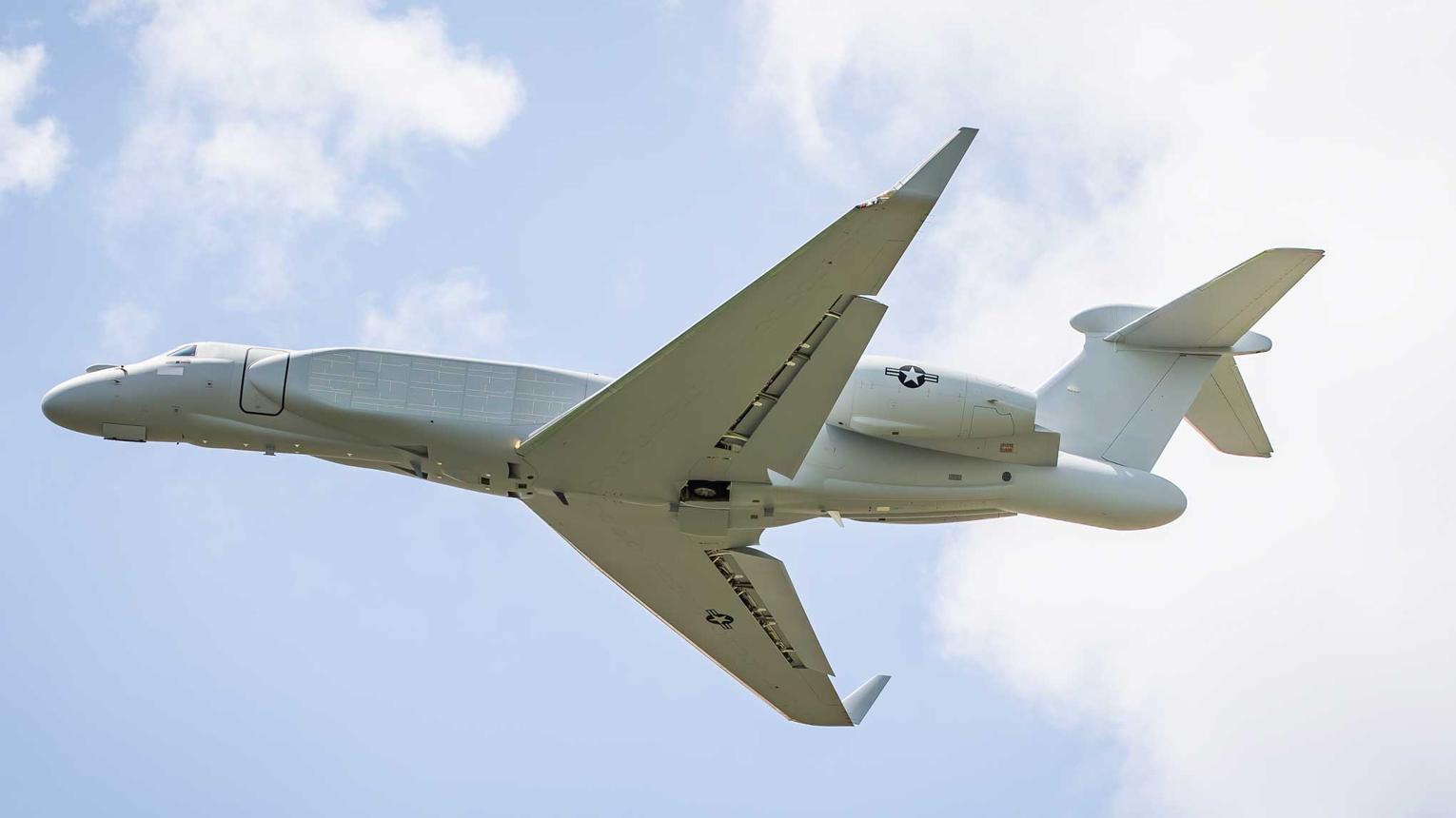
The global electronic warfare (EW) market is experiencing explosive growth as modern conflict shifts decisively toward control of the electromagnetic spectrum. Electronic warfare encompasses a range of military capabilities—electronic attack (EA), electronic protection (EP), and electronic support (ES)—that enable forces to sense, disrupt, protect, and manage the spectrum across land, air, sea, space, and unmanned missions . The Electronic Warfare Market is on a high-growth trajectory, driven by rising geopolitical tensions, the proliferation of drones and advanced radar threats, and the integration of artificial intelligence. The market is estimated to be valued at approximately USD 26.12 billion in 2025 and is projected to grow at a CAGR of over 8% through 2030, with some forecasts reaching USD 40.56 billion by 2030 .
Market Dynamics
The electronic warfare market is being propelled by several key factors related to technology, geopolitics, and the changing nature of warfare.
Geopolitical Tensions and Defense Modernization
A primary driver is the escalating geopolitical tensions across Eastern Europe, the Indo-Pacific, and the Middle East . The return of peer competition has forced nations to prioritize spectrum dominance and upgrade their EW capabilities . This has led to significant defense spending, with the U.S. Department of Defense and NATO allies investing heavily in next-generation electronic attack and protection systems .
The Proliferation of Drones and the Counter-UAS Imperative
The widespread use of unmanned aerial systems (UAS) on modern battlefields has created an urgent need for effective counter-UAS electronic warfare solutions . Traditional kinetic interceptors are too expensive to use against low-cost drones, driving demand for portable and vehicle-mounted jammers that disrupt drone control links . This is one of the fastest-growing segments of the market.
Software-Defined and Cognitive Electronic Warfare
The market is undergoing a structural shift toward software-defined and cognitive EW architectures . Instead of replacing entire hardware pods or platforms, defense agencies are increasingly purchasing algorithmic updates that deploy via software-defined radio architectures, enabling instant tactical upgrades . Machine learning and AI are being integrated to enable autonomous signal profiling, where systems can identify and counter unfamiliar emitters in real-time, replacing traditional rule-based jamming .
Regional Outlook
North America remains the largest market, driven by the U.S.'s dominance in defense R&D and procurement . The U.S. Navy's Next Generation Jammer and the Air Force's modernization of its Electronic Warfare suites are major drivers . Asia-Pacific is the fastest-growing region, fueled by rising defense spending in China, India, Japan, and South Korea, as well as strategic partnerships like AUKUS . Europe is also a key market, with nations like Germany and the UK scaling up fighter EW programs in response to lessons from the Ukraine conflict .
Competitive Landscape
The market is dominated by major defense primes including Lockheed Martin, Northrop Grumman, RTX, BAE Systems, and Thales, alongside specialized technology providers . Competition is increasingly centered on software capability, open architecture integration, and the ability to offer modular, upgradeable systems. For comprehensive competitive insights, refer to the Electronic Warfare Market.
Conclusion
The electronic warfare market is on an explosive growth trajectory, driven by the confluence of geopolitical shifts, technological innovation in software-defined and cognitive systems, and the proliferation of unmanned threats. With a projected CAGR of over 8%, the market is poised for significant expansion as spectrum dominance becomes a critical pillar of national defense strategies.
FAQs
1. What is the projected growth of the electronic warfare market?
The market is estimated at approximately USD 26.12 billion in 2025 and is projected to reach over USD 40 billion by 2030, with a CAGR exceeding 8% .
2. What is driving the growth of the electronic warfare market?
Key drivers include rising geopolitical tensions, the proliferation of drones and the need for counter-UAS solutions, and the shift toward software-defined and cognitive EW systems .
3. Which region is the fastest-growing electronic warfare market?
Asia-Pacific is the fastest-growing region, driven by rising defense spending in China, India, Japan, and South Korea, along with strategic partnerships like AUKUS . For more information, explore the Electronic Warfare Market.

 English
 Arabic
 French
 Spanish
 Portuguese
 Deutsch
 Turkish
 Dutch
Dutch
 Italiano
 Romaian
 Portuguese (Brazil)
 Greek
Greek