


Hazardous Waste Authorization: Turning Environmental Compliance into a Business Advantage
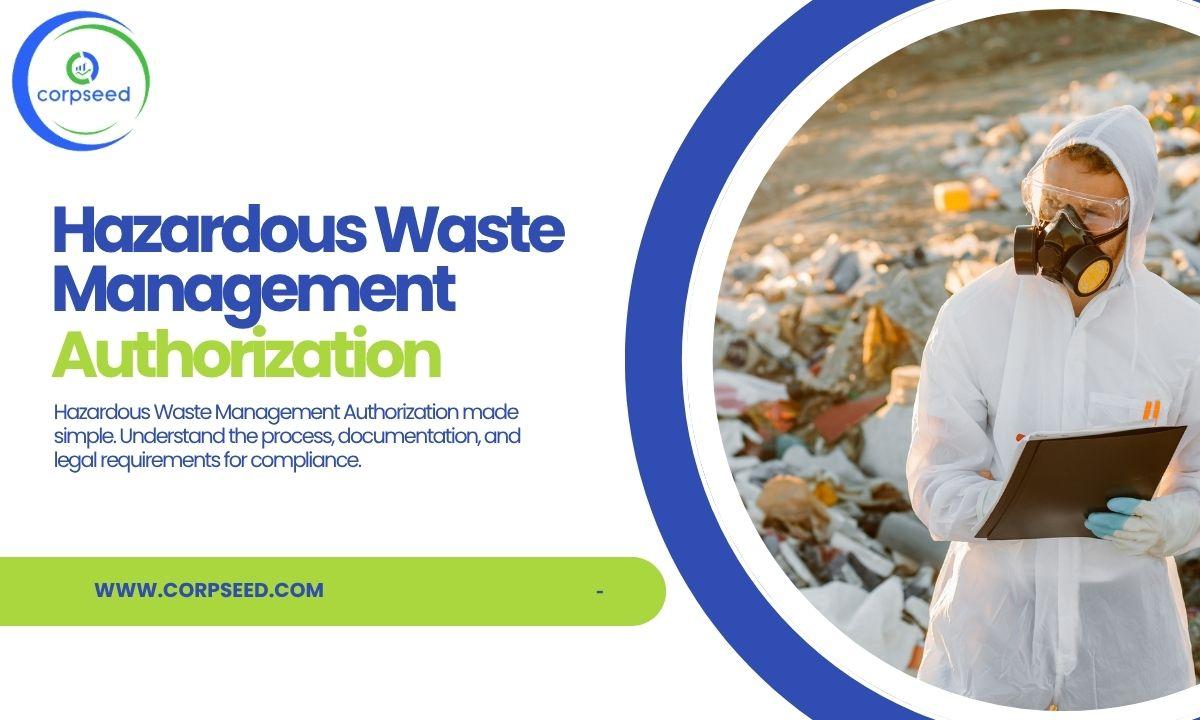
Every successful industry has a story of growth. New products are manufactured, technologies evolve, production increases, and businesses expand into new markets. But alongside this growth comes an equally important responsibility managing industrial waste safely and responsibly.
For businesses that generate hazardous waste, compliance is not just about avoiding penalties. It is about protecting employees, preserving natural resources, building customer confidence, and creating a sustainable future. This is where hazardous waste authorization plays a vital role.
Think of it as your business's official commitment to responsible waste management. Whether you manufacture chemicals, pharmaceuticals, automobiles, electronics, paints, or engineering products, obtaining the right authorization ensures your operations align with India's environmental regulations while reinforcing your reputation as a responsible organization.
In this guide, you'll discover everything you need to know about hazardous waste authorization, including who needs it, why it matters, how to apply, and the best practices for staying compliant.
Why Hazardous Waste Management Deserves Your Attention
Imagine hazardous chemicals leaking into nearby water sources or industrial sludge being disposed of incorrectly. The consequences extend far beyond environmental damage—they can affect public health, disrupt business operations, and result in significant legal action.
That's why governments across the world have strengthened environmental regulations, and India is no exception.
Proper hazardous waste management helps businesses:
- Protect employees and surrounding communities.
- Prevent soil, air, and water pollution.
- Reduce environmental liabilities.
- Improve operational efficiency.
- Strengthen ESG (Environmental, Social, and Governance) performance.
- Build trust among customers, investors, and regulators.
Today's customers appreciate businesses that care about sustainability. Responsible waste management is no longer just compliance it's part of a company's brand identity.
What is Hazardous Waste Authorization?
Hazardous waste authorization is an approval granted by the State Pollution Control Board (SPCB) or Pollution Control Committee (PCC) that allows businesses to generate, collect, store, transport, recycle, treat, recover, utilize, or dispose of hazardous waste in accordance with Indian environmental laws.
The authorization is issued under the Hazardous and Other Wastes (Management and Transboundary Movement) Rules, 2016, framed under the Environment (Protection) Act, 1986.
In simple words, this authorization confirms that your business has established proper systems to manage hazardous waste safely without harming people or the environment.
Many businesses also search for a hazardous waste certificate India. While this term is commonly used in online searches, the official regulatory approval is generally issued as a hazardous waste authorization by the concerned pollution control authority.
Understanding Hazardous Waste
Not every type of industrial waste is hazardous. Hazardous waste refers to materials that possess properties capable of causing serious harm if handled improperly.
These materials may be:
- Toxic
- Flammable
- Corrosive
- Reactive
- Environmentally hazardous
Some common examples include:
- Waste oil and lubricants
- Chemical residues
- Paint sludge
- Used solvents
- Heavy metal waste
- Battery waste
- Pharmaceutical waste
- Electroplating sludge
- Contaminated containers
- Acidic or alkaline waste
Each waste category is classified under the schedules prescribed in the Hazardous and Other Wastes Rules, making proper identification the first step toward compliance.
Which Businesses Need Hazardous Waste Authorization?
One of the biggest misconceptions is that hazardous waste authorization is only for large chemical factories.
In reality, businesses across various industries generate hazardous waste as part of their daily operations.
Industries that commonly require authorization include:
- Chemical manufacturing units
- Pharmaceutical companies
- Petrochemical industries
- Automobile manufacturers
- Electronics and electrical equipment manufacturers
- Battery manufacturers and recyclers
- Textile dyeing and processing units
- Paint and coating industries
- Metal finishing and electroplating units
- Engineering and fabrication companies
- Oil refineries
- Hazardous waste recycling facilities
If your business generates or handles hazardous waste in any form, it is essential to determine whether authorization is required under applicable regulations.
The Legal Framework Behind Hazardous Waste Authorization
India has developed a comprehensive regulatory system to ensure hazardous waste is managed responsibly throughout its lifecycle.
Some of the key regulations include:
Hazardous and Other Wastes (Management and Transboundary Movement) Rules, 2016
These rules provide detailed procedures for the generation, storage, transportation, recycling, utilization, treatment, and disposal of hazardous waste.
Environment (Protection) Act, 1986
This Act serves as the foundation of India's environmental protection framework and empowers authorities to regulate industrial pollution.
Water (Prevention and Control of Pollution) Act, 1974
This legislation aims to prevent industrial activities from contaminating rivers, lakes, groundwater, and other water resources.
Air (Prevention and Control of Pollution) Act, 1981
This Act focuses on controlling industrial emissions and maintaining healthy air quality.
Why Compliance is Becoming More Important Than Ever
Environmental regulations continue to evolve as industries grow and sustainability becomes a global priority. Regulatory authorities are increasingly encouraging businesses to adopt cleaner production methods, improve waste handling systems, and maintain accurate compliance records.
Organizations that invest in proper hazardous waste management today are not only reducing compliance risks but also positioning themselves as environmentally responsible businesses ready for future growth.
Trusted Sources for Regulatory Guidance
For accurate information and regulatory updates, businesses should regularly refer to:
- Central Pollution Control Board (CPCB): https://cpcb.nic.in/
- Ministry of Environment, Forest and Climate Change (MoEFCC): https://moef.gov.in/
- State Pollution Control Board (SPCB) portals
Activities Covered Under Hazardous Waste Authorization
Businesses may require authorization if they are involved in any of the following activities:
- Generation of hazardous waste
- Collection and segregation
- Storage
- Transportation
- Treatment
- Recycling
- Recovery
- Utilization
- Disposal
- Import or export of hazardous waste, where permitted
Businesses involved in cross-border movement of hazardous waste should also understand the requirements for Hazardous Waste Import Authorization.
Related Services
- Hazardous Waste Import Authorization: https://www.corpseed.com/service/hazardous-waste-import-authorization
Documents Required for Hazardous Waste Authorization
A successful application starts with one simple principle—be prepared.
Before submitting your application, gather all the necessary documents that demonstrate your business's compliance with environmental regulations. Well-organized documentation not only speeds up the approval process but also reflects your commitment to responsible operations.
Typically, you'll need:
- Certificate of Incorporation or Business Registration Certificate
- PAN Card of the company
- GST Registration Certificate
- Factory License (where applicable)
- Consent to Establish (CTE)
- Consent to Operate (CTO)
- Site layout or factory plan
- Manufacturing process flow chart
- Details of raw materials and finished products
- Information on hazardous waste generated
- Storage and handling facility details
- Environmental Management Plan (EMP)
- Agreement with authorized recyclers or disposal facilities, if applicable
- Completed authorization application form and declarations
Depending on your industry and state regulations, the Pollution Control Board may request additional technical documents or supporting information.
How to Obtain Hazardous Waste Authorization: Step-by-Step
Getting authorized may seem overwhelming at first, but when broken into clear steps, the process becomes much easier to understand.
Step 1: Identify Your Hazardous Waste
Begin by assessing the type, source, and quantity of hazardous waste your business generates. Accurate classification is essential because it determines the applicable compliance requirements.
Step 2: Understand the Applicable Regulations
Review the environmental rules that apply to your operations. This ensures your business meets all legal obligations before applying.
Step 3: Prepare the Documentation
Compile all required legal, technical, and environmental documents. A complete application significantly reduces the chances of delays or additional queries.
Step 4: Submit the Application
Apply through the online portal or prescribed system of your State Pollution Control Board (SPCB) or Pollution Control Committee (PCC).
Step 5: Regulatory Review
The authorities evaluate your application, verify the submitted information, and assess whether your waste management practices align with environmental standards.
Step 6: Site Inspection
In many cases, officials visit the facility to inspect waste storage areas, labeling systems, safety measures, and disposal practices.
Step 7: Receive the Authorization
Once the authority is satisfied that your business meets the required standards, it grants the hazardous waste authorization, often with specific conditions that must be followed.
Hazardous Waste Certificate India: What Does It Mean?
If you've searched online for a hazardous waste certificate India, you're not alone. Thousands of businesses use this phrase when looking for environmental approvals.
In practice, the official approval issued by the regulatory authorities is called hazardous waste authorization. The term "certificate" is commonly used in everyday business conversations and online searches, but both usually refer to the same compliance requirement.
Understanding this terminology can make your search for the right approval much simpler.
Your Responsibilities After Receiving Authorization
Receiving authorization is a major achievement—but it's only the beginning.
To remain compliant, businesses must consistently follow the conditions specified by the pollution control authorities.
Maintain Accurate Records
Keep detailed records of:
- Hazardous waste generation
- Storage
- Transportation
- Recycling
- Treatment
- Disposal
Well-maintained records simplify audits and demonstrate regulatory compliance.
Store Waste Safely
Hazardous waste should always be stored in clearly identified, secure areas designed to prevent leaks, spills, or accidental exposure.
Label Containers Properly
Every container should display appropriate labels indicating the type of hazardous waste and associated safety precautions.
Work with Authorized Partners
Only transporters, recyclers, treatment facilities, and disposal agencies approved by the authorities should handle your hazardous waste.
Submit Returns on Time
File annual returns and any other reports required by the SPCB or PCC within the prescribed timelines.
Train Your Workforce
Employees involved in handling hazardous waste should receive regular training on safe handling practices, emergency response procedures, and environmental responsibilities.
Common Challenges Businesses Encounter
Even businesses with strong operational systems can face hurdles during the authorization process.
Some common challenges include:
- Difficulty identifying the correct waste category
- Incomplete documentation
- Lack of awareness of changing environmental regulations
- Poor waste storage infrastructure
- Delays in responding to regulatory observations
- Inadequate record maintenance
Fortunately, these challenges can be minimized through proper planning, regular compliance reviews, and expert guidance.
Best Practices for Smarter Hazardous Waste Management
The most successful businesses don't view compliance as a one-time task. Instead, they build systems that promote continuous improvement.
Here are some practical strategies:
- Minimize hazardous waste generation wherever possible.
- Segregate hazardous and non-hazardous waste at the source.
- Conduct periodic environmental audits.
- Maintain digital compliance records.
- Review waste handling procedures regularly.
- Invest in employee awareness and safety training.
- Partner only with authorized recyclers and disposal facilities.
- Stay informed about updates to environmental regulations.
Small improvements in waste management can lead to significant gains in operational efficiency, sustainability, and regulatory confidence.
Related Environmental Compliance Services
Many businesses that require hazardous waste authorization also benefit from additional environmental approvals.
Explore these related services:
- Consent to Establish (CTE): [Internal Link]
- Consent to Operate (CTO): [Internal Link]
- Hazardous Waste Management Authorization: https://www.corpseed.com/service/hazardous-waste-management-authorization
- Hazardous Waste Import Authorization: https://www.corpseed.com/service/hazardous-waste-import-authorization
These services often work together to create a complete environmental compliance framework for industrial operations.
Frequently Asked Questions (FAQs)
1. What is hazardous waste authorization?
Hazardous waste authorization is an approval issued by the State Pollution Control Board (SPCB) or Pollution Control Committee (PCC) that allows businesses to generate, store, transport, recycle, treat, recover, or dispose of hazardous waste in accordance with Indian environmental regulations.
2. Who needs hazardous waste authorization?
Any business involved in generating or handling hazardous waste—including manufacturers, recyclers, transporters, treatment facilities, and disposal operators—may require authorization under the Hazardous and Other Wastes (Management and Transboundary Movement) Rules, 2016.
3. Is a hazardous waste certificate India different from hazardous waste authorization?
Generally, no. "Hazardous waste certificate India" is a commonly used search term, while "hazardous waste authorization" is the official regulatory approval issued by the pollution control authorities.
4. What happens if a business operates without authorization?
Operating without the required authorization may result in penalties, regulatory action, operational restrictions, and reputational damage. It can also increase environmental and workplace safety risks.
5. Can hazardous waste authorization be renewed?
Yes. Businesses should apply for renewal before the authorization expires and continue complying with all applicable environmental conditions to ensure uninterrupted operations.
Conclusion
Environmental compliance isn't just about following regulations—it's about shaping a better future for your business, your employees, and the communities around you.
Obtaining hazardous waste authorization shows that your organization values responsible operations, environmental stewardship, and sustainable growth. It helps protect natural resources, minimizes business risks, and strengthens trust among customers, regulators, and stakeholders.
As industries continue to evolve, businesses that embrace responsible waste management today will be better prepared for tomorrow's opportunities. By understanding the requirements, maintaining proper documentation, and following best practices, your organization can turn compliance into a long-term competitive advantage.
If you're planning to apply for hazardous waste authorization or need expert assistance with documentation, renewals, or related environmental approvals, partnering with experienced compliance professionals can simplify the journey and help your business stay confidently compliant.

 English
 Arabic
 French
 Spanish
 Portuguese
 Deutsch
 Turkish
 Dutch
Dutch
 Russian
 Romaian
 Portuguese (Brazil)
 Greek
Greek