


Cortisol Blood Test: Frequently Asked Questions Answered
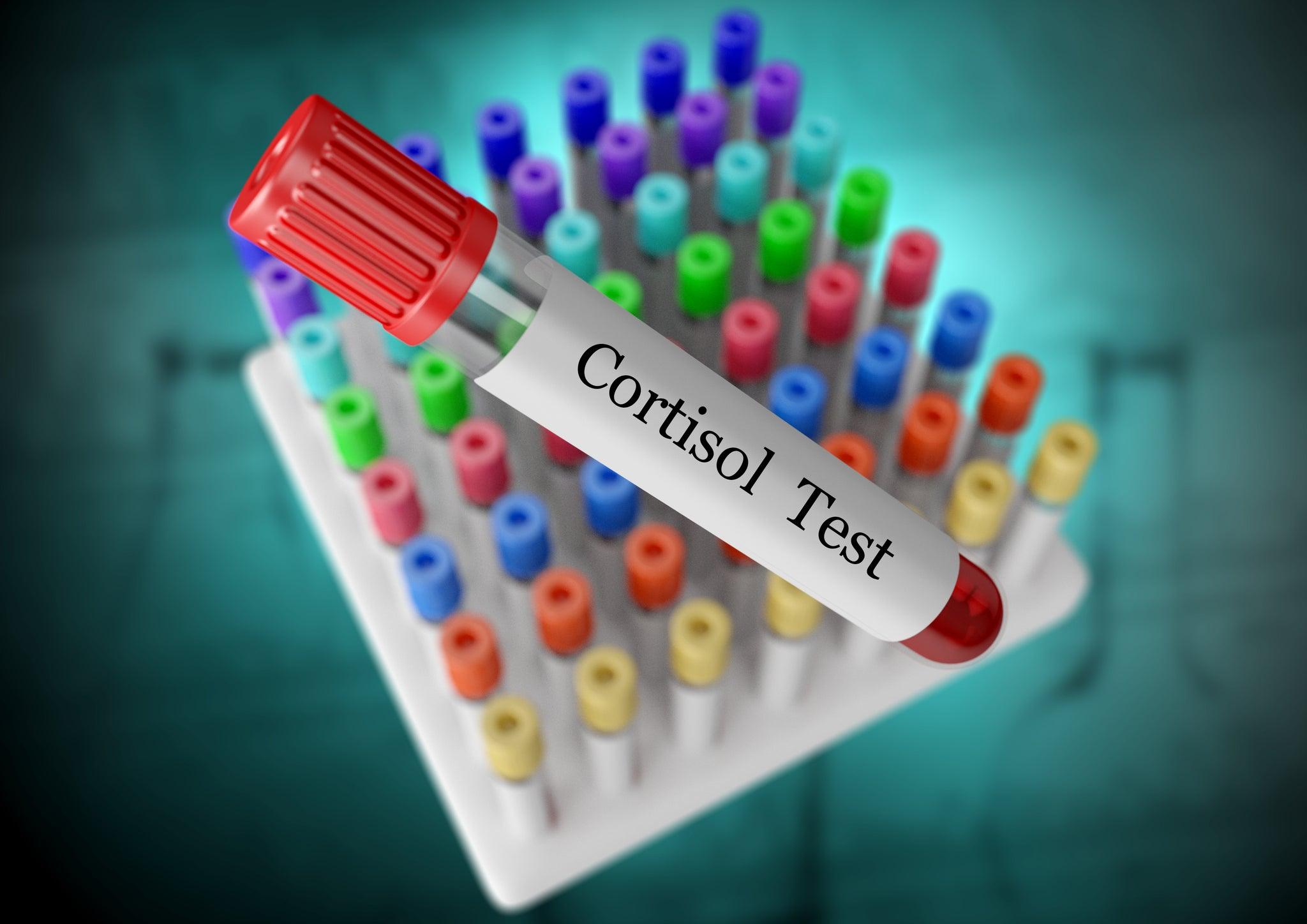
If your healthcare provider has recommended a Cortisol Blood Test, you probably have questions about why it is needed, how it works, and what the results might reveal. Cortisol is an essential hormone produced by the adrenal glands and regulated by the pituitary gland through adrenocorticotropic hormone (ACTH). It helps regulate metabolism, blood pressure, blood sugar, immune function, inflammation, and the body's response to physical and emotional stress.
A Cortisol Blood Test Dubai is one of the most reliable ways to evaluate adrenal gland function and identify hormone imbalances that may be causing ongoing health concerns. Because cortisol affects multiple systems in the body, understanding this test can help you feel more prepared and confident before your appointment.
This guide answers the most frequently asked questions about cortisol blood testing, helping you understand what the test measures, when it is recommended, how to prepare, and what your results may mean.
What Is a Cortisol Blood Test?
A cortisol blood test is a laboratory investigation that measures the level of cortisol circulating in your bloodstream at a specific time of the day. Since cortisol follows a natural daily rhythm, healthcare providers often request morning blood samples when hormone levels are normally at their highest.
The test helps evaluate whether your adrenal glands are producing the correct amount of cortisol and whether your endocrine system is functioning normally.
Why Would a Doctor Recommend This Test?
Healthcare providers order a cortisol blood test when symptoms or medical history suggest an abnormality in hormone production.
Common reasons include:
-
Persistent fatigue
-
Unexplained weight gain or weight loss
-
Muscle weakness
-
Low or high blood pressure
-
Blood sugar abnormalities
-
Frequent infections
-
Mood changes
-
Difficulty concentrating
-
Suspected adrenal insufficiency
-
Monitoring endocrine treatment
The test provides valuable information that supports accurate diagnosis and treatment planning.
What Does Cortisol Actually Do?
Cortisol is much more than a stress hormone. It performs several important functions that keep the body working properly.
Healthy cortisol levels help regulate:
-
Blood glucose
-
Energy production
-
Fat and protein metabolism
-
Immune response
-
Inflammation
-
Blood pressure
-
Sleep and circadian rhythm
-
Recovery from illness and injury
Without proper cortisol production, many normal body processes become disrupted.
How Should I Prepare for a Cortisol Blood Test?
Preparation depends on your healthcare provider's instructions, but several general recommendations help improve the accuracy of the results.
Before your appointment:
-
Inform your healthcare provider about all medications and supplements.
-
Follow fasting instructions if required.
-
Avoid strenuous exercise before testing.
-
Try to maintain your usual sleep schedule.
-
Mention recent illness, surgery, or emotional stress.
Following preparation instructions helps reduce factors that may temporarily affect cortisol levels.
Is Fasting Required?
Not every cortisol blood test requires fasting. Some patients may eat normally, while others may receive specific dietary instructions depending on other laboratory tests being performed at the same time.
Always follow the guidance provided by your healthcare provider or laboratory.
Why Is the Test Usually Performed in the Morning?
Cortisol naturally follows a circadian rhythm.
Levels are:
-
Highest shortly after waking
-
Gradually decrease throughout the day
-
Lowest late in the evening
Morning blood collection provides a standard reference point that helps healthcare providers compare your results with expected hormone patterns.
What Happens During the Test?
A cortisol blood test is a simple outpatient procedure.
The process generally includes:
-
Verifying your identity.
-
Cleaning the skin over a vein.
-
Applying a tourniquet.
-
Collecting a small blood sample.
-
Sending the sample to the laboratory for hormone analysis.
The procedure usually takes only a few minutes.
Is the Procedure Painful?
Most people experience only mild discomfort when the needle enters the vein. Some individuals notice slight bruising or tenderness afterwards, but these effects usually resolve quickly.
Serious complications are extremely uncommon.
Are There Any Risks?
A cortisol blood test is considered very safe.
Possible minor side effects include:
-
Temporary bruising
-
Mild bleeding
-
Slight soreness
-
Light-headedness
-
Rare infection at the puncture site
Healthcare professionals use sterile equipment and standard safety procedures to minimise these risks.
What Can Affect My Cortisol Levels?
Several temporary factors may influence your test results.
These include:
-
Emotional stress
-
Poor sleep
-
Vigorous exercise
-
Acute illness
-
Pregnancy
-
Smoking
-
Certain medications
-
Recent surgery
Providing complete medical information helps ensure your results are interpreted correctly.
What Do Normal Results Mean?
Normal cortisol levels generally indicate that your adrenal glands are producing an appropriate amount of cortisol for the time the blood sample was collected.
However, healthcare providers do not rely on laboratory values alone. They also consider:
-
Symptoms
-
Medical history
-
Physical examination
-
ACTH levels
-
Additional hormone investigations
Normal results may still require further evaluation if symptoms strongly suggest an endocrine disorder.
What Do High Cortisol Levels Mean?
Elevated cortisol levels may indicate excessive hormone production or temporary physiological stress.
Possible causes include:
-
Cushing syndrome
-
Adrenal tumours
-
Pituitary gland disorders
-
Chronic stress
-
Severe illness
-
Long-term corticosteroid therapy
Further investigations help determine the exact cause.
What Do Low Cortisol Levels Mean?
Reduced cortisol production may suggest that the adrenal glands are not producing enough hormone.
Possible causes include:
-
Addison's disease
-
Primary adrenal insufficiency
-
Secondary adrenal insufficiency
-
Pituitary hormone deficiency
-
Congenital adrenal disorders
Prompt medical evaluation is important because untreated cortisol deficiency can become serious.
Can One Cortisol Blood Test Confirm a Diagnosis?
Not always.
Although the cortisol blood test provides valuable diagnostic information, many endocrine disorders require additional investigations before a diagnosis can be confirmed.
Healthcare providers often combine cortisol testing with:
-
ACTH blood test
-
ACTH stimulation test
-
Dexamethasone suppression test
-
Salivary cortisol test
-
Twenty-four-hour urinary cortisol test
-
Blood glucose testing
-
Electrolyte analysis
-
MRI of the pituitary gland
-
CT scan of the adrenal glands
Using multiple investigations provides a more complete understanding of hormone function.
How Long Does It Take to Receive Results?
Most laboratories report cortisol blood test results within a few days, although turnaround time may vary depending on the laboratory and additional investigations requested.
Your healthcare provider will explain the findings and discuss any further testing or treatment if necessary.
Can Medications Affect the Results?
Yes. Several medications may increase or decrease cortisol levels.
These include:
-
Corticosteroids
-
Oral contraceptives
-
Hormone replacement therapy
-
Anti-seizure medications
-
Certain antidepressants
Never stop prescribed medication without discussing it with your healthcare provider.
Who Is Most Likely to Need a Cortisol Blood Test?
Healthcare providers commonly recommend cortisol testing for individuals with symptoms suggesting hormone imbalance or adrenal gland dysfunction.
The test may be appropriate for people who have:
-
Persistent fatigue
-
Unexplained weight changes
-
Blood pressure abnormalities
-
Muscle weakness
-
Recurrent infections
-
Pituitary gland disorders
-
Long-term corticosteroid treatment
-
Suspected adrenal disease
Early testing often leads to earlier diagnosis and more effective treatment.
What Happens After Abnormal Results?
Abnormal cortisol levels do not automatically confirm a disease.
Your healthcare provider may recommend:
-
Repeating the blood test
-
Additional hormone investigations
-
Imaging studies
-
Referral to an endocrinologist
-
Hormone replacement therapy
-
Ongoing monitoring
Treatment decisions are based on the complete clinical picture rather than a single laboratory value.
How Can I Prepare for the Best Testing Experience?
Simple preparation can make the appointment smoother and improve the reliability of your results.
Helpful suggestions include:
-
Arrive on time.
-
Stay well hydrated unless instructed otherwise.
-
Wear loose-fitting sleeves.
-
Bring an updated medication list.
-
Follow all preparation instructions carefully.
-
Inform staff if you have previously fainted during blood collection.
Being well prepared helps ensure accurate testing and a comfortable experience.
Frequently Asked Questions at a Glance:
Can stress increase cortisol levels?
Yes. Emotional stress, illness, surgery, and intense exercise can temporarily raise cortisol production.
Is the cortisol blood test safe?
Yes. It is a routine laboratory procedure with very low risk.
Can normal results rule out every endocrine disorder?
No. Some conditions require additional testing because cortisol levels naturally fluctuate throughout the day.
Will I need more than one test?
Many patients undergo additional hormone investigations to confirm the underlying cause of abnormal cortisol levels.
Should I discuss the results with my healthcare provider?
Absolutely. Your healthcare provider will explain the results in the context of your symptoms, medical history, and any additional investigations.
Conclusion:
A Cortisol Blood Lab tests is an essential tool for assessing adrenal gland function, hormone balance, and overall endocrine health. By measuring cortisol levels, healthcare providers can investigate symptoms such as persistent fatigue, unexplained weight changes, muscle weakness, abnormal blood pressure, and blood sugar irregularities while helping diagnose conditions including Cushing syndrome, Addison's disease, adrenal insufficiency, and pituitary disorders. Understanding how the test works, how to prepare, what the results may indicate, and when additional investigations are required allows patients to take an informed and active role in their healthcare. When interpreted alongside ACTH testing, clinical symptoms, and medical history, a cortisol blood test provides valuable insight that supports accurate diagnosis, effective treatment, and long-term hormone health.

 English
 French
 Spanish
 Portuguese
 Deutsch
 Turkish
 Dutch
Dutch
 Italiano
 Russian
 Romaian
 Portuguese (Brazil)
 Greek
Greek