


Full Blood Test Preparation: What to Do Before Your Appointment
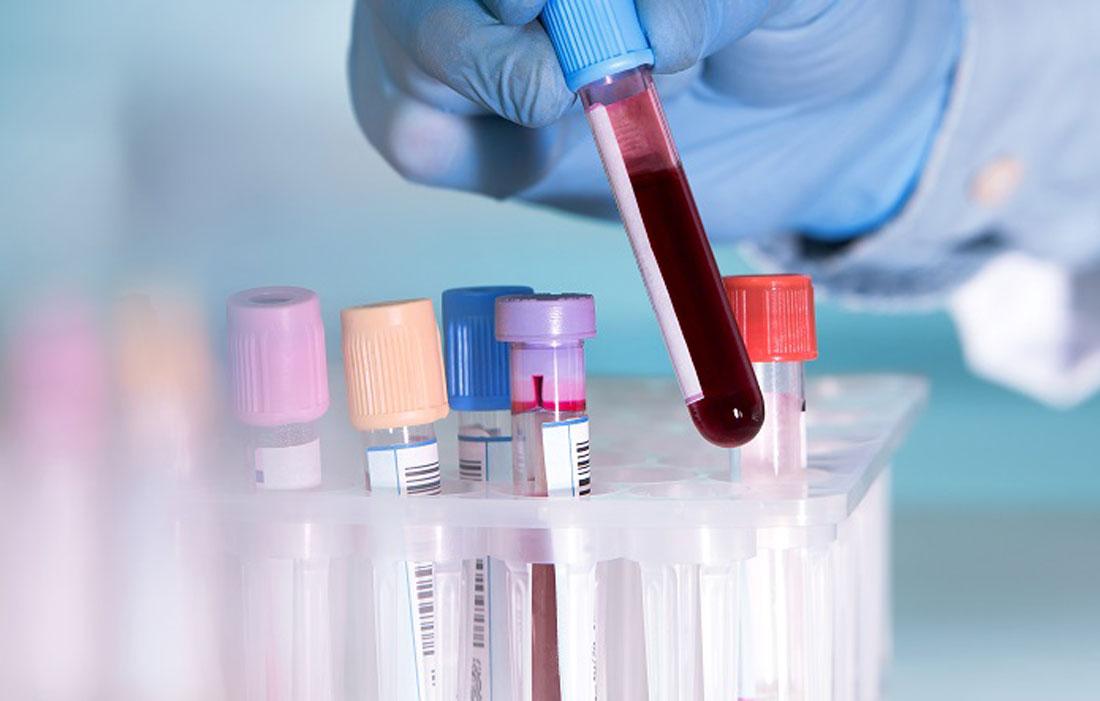
A full blood test is one of the most effective ways to evaluate your overall health, identify underlying medical conditions, and monitor ongoing treatment. Although the blood collection process itself usually takes only a few minutes, proper preparation beforehand plays an important role in ensuring your laboratory results are as accurate as possible.
Many people arrive for their appointment unsure whether they should fast, drink water, continue taking medication, or avoid exercise. These questions are common, and the answers can vary depending on the type of blood tests included in your health assessment.
Preparing correctly helps reduce the risk of inaccurate readings that may lead to repeat testing or unnecessary concern. This guide walks you through what to do before your Full Blood Test in Dubai appointment, beginning the day before your visit and continuing until your blood sample has been collected.
Why Preparation Matters?
Blood contains valuable information about nearly every system in your body. Healthcare professionals analyse blood cells, blood glucose, cholesterol, liver function, kidney function, thyroid hormones, electrolytes, vitamins, and other biomarkers to gain a detailed understanding of your health.
Some of these measurements can be influenced by recent meals, dehydration, alcohol, strenuous exercise, supplements, or certain medications. Following the preparation advice provided by your healthcare provider helps ensure the laboratory receives the most reliable sample possible.
Accurate results allow your healthcare provider to make informed decisions about diagnosis, treatment, and ongoing health monitoring.
Twenty-Four Hours Before Your Appointment:
Good preparation starts the day before your blood test rather than just a few minutes before arriving.
Eat Balanced Meals:
Unless you have been instructed to fast, continue eating balanced meals that include vegetables, whole grains, lean protein, and healthy fats.
Avoid making dramatic changes to your diet immediately before testing, as unusually large meals or excessive sugar intake may temporarily affect some blood markers.
Maintaining your usual eating habits gives healthcare professionals a more accurate picture of your everyday health.
Stay Well Hydrated:
Drinking enough water is one of the simplest ways to prepare for a blood test.
Good hydration helps keep your veins easier to access and supports normal circulation, making blood collection quicker and more comfortable.
Aim to drink water consistently throughout the day unless your healthcare provider has advised otherwise.
Limit Alcohol Intake:
Alcohol may temporarily influence several laboratory measurements, including liver function tests, blood glucose, triglycerides, and hydration status.
Avoid excessive alcohol consumption during the day before your appointment to reduce the likelihood of misleading results.
Get a Good Night's Sleep:
Sleep affects many physiological processes, including hormone regulation, metabolism, and immune function.
Getting sufficient rest before your appointment helps your body remain in its usual state and supports more consistent laboratory measurements.
The Evening Before Your Blood Test:
As your appointment approaches, review any instructions provided by your healthcare provider or laboratory.
Confirm Whether Fasting Is Required:
Not every full blood test requires fasting, but certain investigations may.
Fasting is sometimes requested when your blood test includes:
-
Blood glucose
-
Lipid profile
-
Certain metabolic assessments
If fasting is required, carefully follow the instructions regarding how many hours to avoid food and whether water is permitted.
Do not assume fasting is necessary unless you have been specifically advised to do so.
Organise Your Documents:
Preparing everything in advance reduces stress on the day of your appointment.
Consider gathering:
-
Identification
-
Appointment confirmation
-
Referral forms
-
Medication list
-
Previous laboratory reports if requested
Having these items ready helps your visit proceed smoothly.
On the Morning of Your Appointment:
The way you begin your day can influence how comfortable and efficient your appointment will be.
Continue Drinking Water:
Water is generally encouraged before blood collection unless you have been given different instructions.
Remaining hydrated can make veins easier to locate and may reduce the chance of repeated needle attempts.
Follow Fasting Instructions Carefully:
If fasting has been recommended, avoid eating or drinking anything other than water unless your healthcare provider has advised differently.
Even small snacks or sugary drinks may affect blood glucose or lipid profile results.
Wear Comfortable Clothing:
Choose clothing with loose or short sleeves that allows easy access to your arm.
This simple step makes blood collection quicker and more comfortable for both you and the healthcare professional.
Should You Take Your Medication?
Many people are uncertain whether regular medication should be taken before a blood test.
The correct approach depends on the type of medication and the purpose of your laboratory investigations.
Some medicines may influence blood glucose, thyroid hormones, liver enzymes, kidney function, or other biomarkers.
Never stop prescribed medication on your own. If you are unsure, ask your healthcare provider before your appointment and follow their specific instructions.
It is also helpful to tell the healthcare professional about any vitamins, herbal remedies, or dietary supplements you are currently taking, as some can affect laboratory results.
Is Exercise Recommended Before a Blood Test?
Regular physical activity is beneficial for overall health, but intense exercise immediately before blood collection may temporarily alter certain blood markers.
Strenuous activity can influence:
-
Creatine kinase
-
Blood glucose
-
White blood cell count
-
Electrolytes
-
Hydration levels
Light daily movement is usually acceptable, but avoiding vigorous exercise on the morning of your appointment may help provide more consistent results.
Managing Anxiety Before Blood Collection:
Feeling nervous before a blood test is common, particularly if you dislike needles or have experienced difficult blood draws in the past.
Simple strategies may help you feel more comfortable:
-
Arrive a little early to avoid rushing.
-
Take slow, steady breaths while waiting.
-
Stay hydrated if permitted.
-
Let the healthcare professional know if you feel anxious or have fainted during previous blood tests.
-
Keep your arm relaxed during the procedure.
Most blood samples are collected within a few minutes, and the discomfort is usually brief.
What Happens During the Appointment?
Understanding the process can make the experience less intimidating.
A healthcare professional will usually:
-
Confirm your identity and requested tests.
-
Clean the skin with an antiseptic wipe.
-
Apply a tourniquet around your upper arm.
-
Insert a sterile needle into a vein.
-
Collect blood into one or more sample tubes.
-
Remove the needle and apply gentle pressure with cotton or gauze.
-
Place a small dressing over the puncture site if needed.
The entire procedure is typically completed within a short time.
What to Do Immediately After Your Blood Test?
Looking after yourself after blood collection helps minimise discomfort.
You should:
-
Keep gentle pressure on the puncture site for a few minutes.
-
Leave the dressing in place if advised.
-
Drink water to stay hydrated.
-
Eat normally if you have been fasting.
-
Avoid heavy lifting with the affected arm for the rest of the day if it feels tender.
Mild bruising or soreness is common and usually settles without treatment.
Common Preparation Mistakes to Avoid:
Small oversights before your appointment can affect the quality of your blood sample or delay testing.
Common mistakes include:
-
Ignoring fasting instructions.
-
Arriving dehydrated.
-
Drinking alcohol the night before.
-
Performing intense exercise shortly before testing.
-
Forgetting to mention medications or supplements.
-
Skipping important medical information during your appointment.
-
Wearing clothing that restricts access to your arm.
Being aware of these issues helps ensure a smoother testing experience.
Frequently Asked Questions:
Can I drink water before a full blood test?
In many cases, yes. Drinking water is often encouraged because it supports hydration and can make blood collection easier. Always follow any specific instructions given for your appointment.
Is coffee allowed before a blood test?
If fasting has been requested, avoid coffee unless your healthcare provider has advised otherwise, as it may influence certain test results.
What if I accidentally eat before a fasting blood test?
Inform the healthcare professional before your sample is taken. Depending on the tests requested, your appointment may need to be rescheduled to ensure accurate results.
Should I avoid taking vitamin supplements?
Some supplements can affect laboratory measurements. Let your healthcare provider know what you are taking and follow any preparation advice you receive.
Conclusion:
Preparing for a full blood Lab tests is straightforward, but the steps you take before your appointment can make a meaningful difference to the accuracy of your laboratory results. Staying hydrated, following fasting instructions when required, limiting alcohol, avoiding strenuous exercise, getting adequate rest, and informing your healthcare provider about medications and supplements all contribute to a more reliable assessment of your health.
A comprehensive blood test measures important biomarkers such as blood cells, blood glucose, cholesterol, liver function, kidney function, thyroid hormones, electrolyte balance, and vitamin levels. By arriving well prepared, you help ensure these results accurately reflect your health, allowing healthcare professionals to provide the most appropriate advice, early diagnosis, and ongoing care.

 English
 Arabic
 French
 Spanish
 Portuguese
 Deutsch
 Turkish
 Italiano
 Russian
 Romaian
 Portuguese (Brazil)
 Greek
Greek