


The Ultimate Guide to Pineapple Balls Singapore: Tradition, Taste, and Where to Find the Best
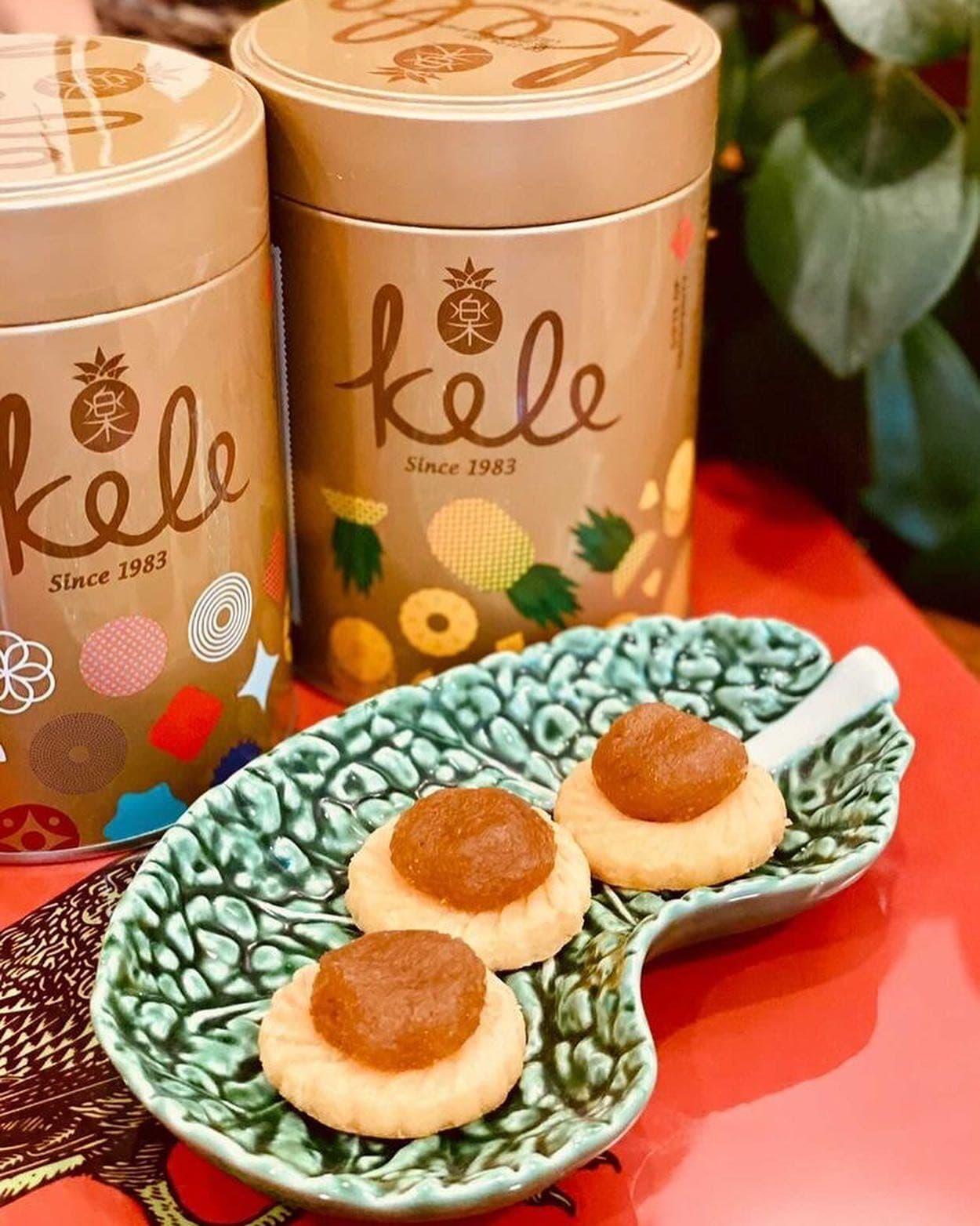
When the festive season approaches, kitchens fill with the warm, buttery aroma of freshly baked treats, and pastry stands across the island display colorful tins of local favorites. Among the wide array of traditional pastries, one delicate, golden-brown sweet stands above the rest as a beloved staple of celebrations and everyday indulgence. Whether you are preparing for a major family gathering or simply craving a melt-in-your-mouth pastry to accompany your afternoon tea, Pineapple Balls Singapore represent the pinnacle of artisanal baking and cultural heritage in Southeast Asia.
Understanding what makes these bite-sized treats so irresistible requires exploring their rich history, the meticulous craftsmanship involved in their creation, and where you can secure the finest batches for your next celebration.
The Cultural Significance of Pineapple Tarts and Balls
In many Asian cultures, food carries deep symbolic meanings, especially during auspicious festivals like Lunar New Year. The humble pineapple is much more than a refreshing tropical fruit; it is a powerful emblem of prosperity, wealth, and good fortune.
The Hokkien Linguistic Connection
To understand why pineapple pastries occupy such a revered status, one must look at the Hokkien dialect spoken by a large portion of the Chinese diaspora in Singapore and Malaysia. In Hokkien, the word for pineapple is pronounced ong lai, which literally translates to "prosperity has arrived."
Because of this auspicious wordplay, displaying and gifting pineapple pastries is believed to invite luck, fortune, and positive energy into the home. During festive periods, families exchange beautifully decorated tins of these golden pastries as a gesture of goodwill and well-wishes for the coming year.
The Anatomy of the Perfect Pastry
Creating a batch of exceptional pineapple confections is an exercise in culinary precision. While they look simple from the outside, achieving the ideal balance of textures requires high-grade ingredients and traditional techniques passed down through generations.
1. The Golden Pastry Crust
The exterior of the pastry must strike a delicate balance. It should be rich, crumbly, and buttery, yet sturdy enough to hold the sticky jam filling without crumbling apart at the slightest touch. Bakers typically use premium butter, high-protein flour, egg yolks, and a touch of milk powder or custard powder to impart a melt-in-your-mouth texture and a rich, golden hue.
2. The Luscious Pineapple Jam Filling
The soul of the treat lies in its core. Authentic jam is made by slowly grating or blending fresh pineapples—often local varieties known for their vibrant acidity and fiber—and simmering them with sugar, cloves, cinnamon, and star anise. This slow reduction process can take hours, as the moisture evaporates and the natural sugars caramelize, transforming the pale fruit pulp into a thick, golden-amber paste with a harmonious balance of sweet and tangy notes.
Exploring Regional Variations: Open-Faced Tarts Versus Closed Spheres
While the flavor Pineapple Balls Singapore profile remains fundamentally similar, the physical presentation of these treats varies significantly across different bakeries and home kitchens.
Open-Faced Tarts
The classic open-faced version features a flat, round base of buttery dough topped with a thumbprint of pineapple jam, often crisscrossed with delicate dough strips. This style allows the vibrant amber color of the jam to shine brightly.
Closed Spheres
The spherical variant—often rolled by hand into neat, bite-sized orbs—completely encapsulates the jam inside the pastry dough. Some traditional variations feature intricate floral or geometric patterns pressed into the dough using specialized molds, while others keep a smooth, glossy exterior brushed lightly with egg wash before baking.
The Art of Baking at Home: A Traditional Approach
While many Singaporeans prefer to purchase their festive treats from heritage bakeries, trying your hand at home baking can be a deeply rewarding culinary project.
Ingredients Needed:
-
For the Jam: 2 large ripe pineapples, 150g granulated sugar, 2 cinnamon sticks, 3 cloves.
-
For the Pastry: 300g plain flour, 50g cornflour, 200g unsalted butter (softened), 2 egg yolks, 1 tablespoon icing sugar, and a pinch of salt.
Step-by-Step Method:
-
Prepare the Jam: Core and grate the pineapples, squeezing out excess juice. Place the pulp in a heavy-bottomed pan with sugar and spices. Cook over medium-low heat, stirring constantly until the mixture thickens and turns golden brown. Cool completely before shaping into small balls.
-
Mix the Dough: Cream the softened butter and icing sugar together until smooth. Beat in the egg yolks one at a time. Gently fold in the sifted flour, cornflour, and salt until a soft, pliable dough forms.
-
Assemble: Portion the dough and jam into equal weights. Flatten a piece of dough, place a jam ball in the center, and wrap the dough securely around it, rolling between your palms until smooth.
-
Bake: Arrange on a lined baking sheet, brush lightly with egg wash for a glossy finish, and bake at 170°C for 20 minutes until lightly golden.
Finding the Best Artisanal Treats Across the Island
Singapore boasts a vibrant food culture, and when festive seasons arrive, pastry chefs pull out all the stops. From time-honored heritage bakeries nestled in heritage shophouses to modern boutique patisseries experimenting with premium ingredients like French butter and organic fruit, options abound for discerning food lovers.
When shopping for high-end pastries, look for characteristics such as:
-
A distinct, buttery aroma upon opening the container.
-
Jam that is naturally translucent and chewy without being overly sticky or artificial tasting.
-
Pastry that yields instantly to the bite without leaving a heavy, oily coating on the palate.
Conclusion
Pineapple pastries are much more than seasonal sweets; they are a celebration of heritage, craftsmanship, and community spirit in Singapore. Whether you enjoy them as a nostalgic reminder of childhood celebrations or discover them for the first time, these golden spheres offer an unforgettable culinary experience that bridges the gap between traditional flavors and modern gastronomic appreciation.
Frequently Asked Questions
What makes Singaporean pineapple pastries unique compared to other regional variations?
Local recipes often emphasize a high butter-to-flour ratio in the crust for an exceptionally crumbly texture, paired with a slow-cooked jam that balances sharp fruit acidity with deep caramel sweetness.
How should leftover pastries be stored to maintain freshness?
They should be kept in an airtight container at room temperature away from direct sunlight for up to two weeks, or refrigerated for longer storage and brought to room temperature before serving.
Can I freeze homemade pineapple pastry dough for later use?
Yes, the raw pastry dough can be wrapped tightly in plastic wrap and frozen for up to a month, though shaped unbaked pastries are best baked fresh for optimal texture.
Why do these pastries symbolize good fortune during Lunar New Year?
The Hokkien pronunciation of pineapple is ong lai, which sounds identical to the phrase meaning "prosperity has arrived," making them essential gifts for welcoming wealth and luck.
What is the ideal beverage pairing for these rich, buttery treats?
They pair exceptionally well with unsweetened hot Chinese tea, such as Oolong or Chrysanthemum, as the clean taste cuts through the rich butter and sweetness of the pastry.

 English
 Arabic
 French
 Spanish
 Portuguese
 Turkish
 Dutch
Dutch
 Italiano
 Russian
 Romaian
 Portuguese (Brazil)
 Greek
Greek