


Playing Card Dimensions Guide: Standard Sizes for Custom Card Boxes
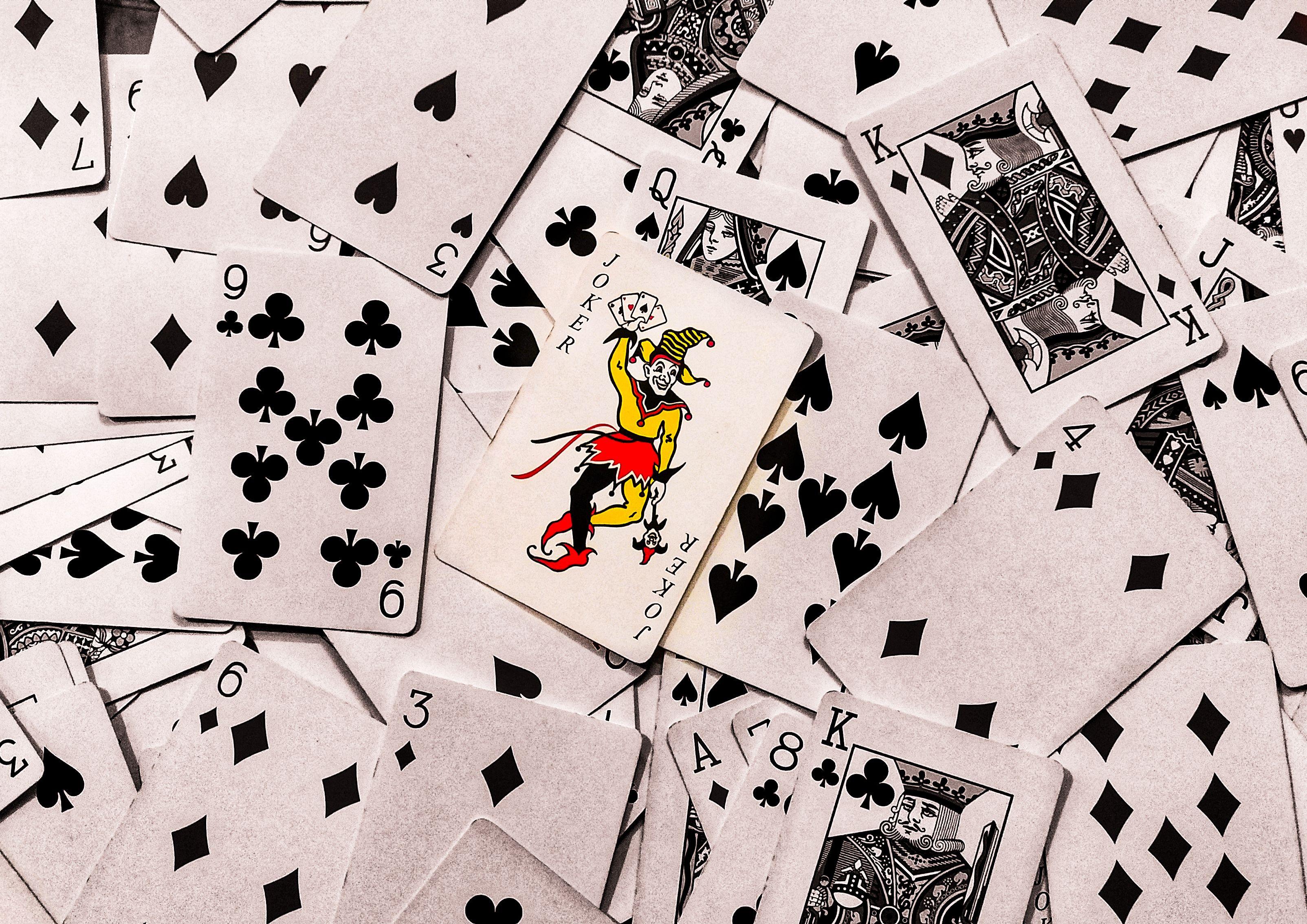
Designing custom packaging for playing cards requires precision, since even small measurement errors can result in boxes that fit too loosely or too tightly around the deck. Whether producing a standard poker deck, a specialty tarot set, or a custom card game, understanding accurate playing card dimensions is the foundation for creating packaging that protects the cards while presenting them attractively on shelves or in online storefronts.
Standard Playing Card Sizes
The most common playing card size used in the United States is the poker size card, measuring approximately 2.5 inches by 3.5 inches. Bridge size cards, slightly narrower at about 2.25 inches by 3.5 inches, are popular for card games where players need to hold larger hands comfortably. Tarot cards typically measure larger, often around 2.75 inches by 4.75 inches, to accommodate more detailed artwork. Understanding which size applies to a specific card game is the essential first step before designing any custom packaging.
Deck Thickness and Box Depth
Beyond the length and width of individual cards, box depth must account for the total thickness of a full deck, which varies based on card stock weight and deck size. A standard 52-card poker deck typically measures around three-quarters of an inch thick, though decks with additional jokers, rules cards, or thicker premium card stock will require slightly more depth. Custom card games with larger decks, such as those used in collectible card games, may need significantly deeper boxes to accommodate hundreds of cards.
Measuring for a Snug, Protective Fit
Playing card boxes need to strike a balance between a snug fit that prevents cards from shifting and rattling, and enough clearance that cards can be easily removed and reinserted without excessive friction or damage to card edges. Packaging designers typically add a small margin, often around one-sixteenth to one-eighth of an inch beyond the exact card dimensions, to allow for this ease of use while still keeping the deck secure during shipping and handling.
Tuck Box vs. Two-Piece Box Styles
Two primary styles dominate playing card packaging: tuck boxes and two-piece rigid boxes. Tuck boxes, the style most commonly seen with standard poker decks, use a fold-and-tuck closure that is cost-effective and space-efficient, making them ideal for mass-market card games. Two-piece rigid boxes, consisting of a separate base and lid, offer a more premium presentation often used for specialty or collector's edition decks, providing sturdier protection and a more substantial unboxing experience.
Accounting for Additional Components
Many card games include components beyond the deck itself, such as rulebooks, scorecards, or bonus cards, which must be factored into overall box dimensions. Designers need to measure the combined thickness of all included components rather than the card deck alone, ensuring the final packaging comfortably accommodates everything without excessive empty space that could allow contents to shift during shipping.
Material Considerations for Card Packaging
Card boxes are typically made from folding cardboard or rigid paperboard, depending on the desired level of durability and presentation quality. Rigid material is often chosen for premium or collectible card sets where the box itself becomes part of the product's perceived value, while standard cardboard remains a practical, cost-effective option for mass-produced card games sold at high volumes.
Printing and Finishing for Card Boxes
Given their compact size, card boxes benefit from high-resolution printing that keeps logos, artwork, and text sharp even at a small scale. Finishes like matte or gloss lamination protect the box surface from wear caused by frequent handling, which is especially important for card games designed for repeated use over time. Foil stamping and embossing are popular for premium card sets, adding a tactile, high-end quality that mass-market decks typically skip.
Common Mistakes to Avoid When Measuring
One of the most frequent errors in card packaging design is failing to account for the added thickness of card coatings, such as UV gloss or linen finishes, which can slightly increase overall deck thickness beyond base cardstock measurements. Another common mistake is designing boxes with insufficient clearance, resulting in packaging that is difficult to open or that damages card edges with repeated use. Taking the time to measure a fully assembled sample deck, rather than relying solely on individual card specifications, helps avoid these costly design errors before mass production begins. Designers working on new card games should also prototype with the actual chosen card stock rather than a placeholder material, since even a difference of a few points in card stock weight can meaningfully change total deck thickness across a full box of fifty or more cards.
Final Thoughts
Accurate playing card dimensions are the foundation of effective card packaging, directly influencing how well a box protects, displays, and presents a deck of cards. From standard poker sizes to specialty tarot decks, understanding these measurements ensures custom card boxes fit properly while supporting a polished, professional presentation. Businesses producing card games or specialty decks should prioritize precise measurements early in the design process to avoid costly packaging errors down the line.

 English
 Arabic
 French
 Spanish
 Portuguese
 Deutsch
 Turkish
 Dutch
Dutch
 Italiano
 Russian
 Romaian
 Portuguese (Brazil)