


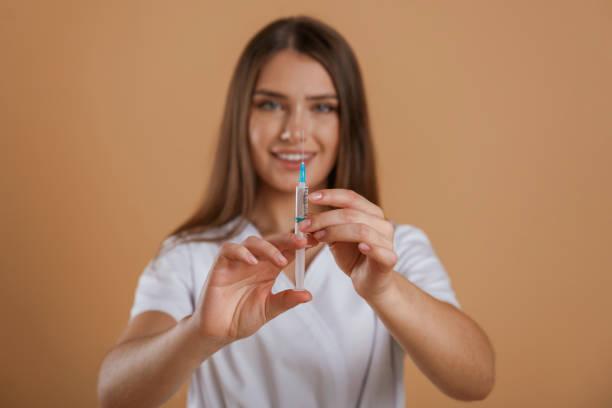
Recovery is where training adaptations happen. When you push your muscles through resistance training, you create microscopic damage that the body repairs and strengthens during rest. Peptide Treatment in Riyadh The quality and speed of this repair process determine how quickly you can train again and how effectively you adapt. Peptide-based interventions have attracted significant research attention for their potential to support this process, with evidence now distinguishing between compounds that show promise and those that have failed to deliver in controlled human trials.
Collagen Peptides: A Closer Look at the Evidence
Collagen peptides are among the most researched peptide interventions for post-exercise recovery, with recent studies producing a nuanced picture. A 2024 randomized controlled trial published in Medicine & Science in Sports & Exercise examined whether 15g of hydrolyzed collagen peptides taken twice daily could increase muscle connective protein synthesis rates during one week of intense resistance training in young men . The study found that while plasma glycine and proline levels increased following supplementation, the peptide group did not show higher myofibrillar or muscle connective protein synthesis rates compared to placebo . This suggests that collagen peptide supplementation, at least in the short term, does not directly accelerate the synthesis of muscle or connective tissue proteins during active training.
However, a separate 2024 study in Frontiers in Nutrition reported different findings when examining markers of muscle damage after exercise . In this 12-week trial, 55 males received either 15g of specific collagen peptides or placebo daily while undergoing concurrent training. When participants performed 150 muscle-damaging drop jumps, the collagen peptide group showed a significantly lower increase in myoglobin, creatine kinase, and lactate dehydrogenase—markers indicating reduced muscle damage . The researchers concluded that the supplementation improved post-exercise regenerative capacity, either by enhancing structural integrity during training or by accelerating membrane and cytoskeletal protein repair . The difference between these studies highlights the importance of intervention duration—the protective effects may emerge over longer periods rather than within a single week.
Other Peptide Sources Under Investigation
Soy and Marine Peptides: A 2024 study comparing marine collagen peptide and soy peptide in rats found that marine collagen peptide had a more significant effect on testosterone recovery after exercise, while soy peptide was more effective at downregulating exercise-induced increases in calpain-1 and calpain-2 expression . This suggests different peptides may offer distinct recovery benefits.
Whey Peptides: Research published in Medicina evaluated whey peptide in a mouse model of dexamethasone-induced muscle atrophy . The whey peptide significantly increased muscle volume and surface area, muscle fibre area, and collagen deposition while decreasing serum biomarkers of muscle damage and inflammatory cytokines. Mechanistically, the peptide activated the IGF-1/PI3K/Akt pathway and increased proteins associated with myocyte differentiation . These findings support whey peptides as a supplement to counteract muscle wasting.
Ovalbumin-Derived Peptides: A 2025 study identified five active peptides from ovalbumin that promoted muscle repair in cell models . One peptide, SK-10, increased the viability of damaged myoblasts from 73% to 85% and restored inflammatory factor levels to normal by activating the PI3K-Akt-mTOR signalling pathway, which promotes protein synthesis . This provides a theoretical basis for egg-derived peptides in muscle repair applications.
Spirulina Peptides: A 2026 study found that low-molecular-weight Spirulina peptides (200–600 Da) improved swimming endurance in a mouse model, reduced blood lactate accumulation, and enhanced antioxidant status through regulation of AMPK-related pathways . This suggests potential applications for exercise fatigue management.
BPC-157: Preclinical Promise, Clinical Caution
BPC-157 (Body Protection Compound-157) has gained popularity in athletic circles for its purported healing properties. Preclinical studies in animal models have shown that BPC-157 can accelerate tendon and ligament repair, promote muscle regeneration, and enhance fracture healing through mechanisms involving fibroblast proliferation, collagen synthesis, and angiogenesis . Rodent studies demonstrate significant improvements in muscle recovery post-injury and restoration of function even in compromised conditions .
However, the clinical landscape for BPC-157 is markedly different. There are no published randomized controlled trials investigating its use for musculoskeletal injuries in humans . A small retrospective case series of 16 patients with knee pain reported 87.5% relief with BPC-157 or BPC-157/TB4 combination, but this evidence is low-quality . The World Anti-Doping Agency banned BPC-157 in 2022, and the FDA has classified it as a Category 2 bulk drug substance, meaning it cannot be compounded by commercial pharmacies . Most products are sold as unregulated "research chemicals" or "dietary supplements" with unknown quality and safety .
Practical Considerations
For athletes and fitness enthusiasts, the most evidence-backed peptide strategy remains focused on food-derived peptides with established safety profiles. Collagen peptides, when taken over longer periods (weeks to months), may support recovery by reducing markers of muscle damage . Whey peptides have demonstrated muscle-protective effects in preclinical models . The regulatory status and safety profile of any peptide intervention should be carefully considered.
For those seeking expert guidance and customized recovery strategies, you can book an appointment consultation at the Enfield Royal Clinic.
Frequently Asked Questions
Do collagen peptides help with muscle recovery?
Evidence is mixed. Short-term studies show no increase in protein synthesis rates, but longer-term studies suggest reduced markers of muscle damage. Duration and context matter.
Is BPC-157 proven to work in humans?
No. BPC-157 is supported by promising animal studies but lacks robust human clinical trial data. It is not FDA-approved and is banned by WADA.
What peptides have the strongest evidence for recovery?
Whey peptides and specific collagen peptides have the most human and preclinical data supporting their potential for muscle recovery and damage reduction.
How long does peptide supplementation take to show effects?
Effects on recovery markers may take weeks to months. The 12-week collagen peptide trial showed benefits, while the 1-week trial did not.
Are peptide supplements safe for athletes?
Collagen, whey, and Spirulina peptides have established safety profiles. BPC-157 and other unregulated peptides carry unknown safety risks due to lack of clinical data.

 English
 Arabic
 French
 Spanish
 Portuguese
 Deutsch
 Turkish
 Italiano
 Russian
 Romaian
 Portuguese (Brazil)
 Greek
Greek