


Professional Valve Design for Extreme Temperature Service
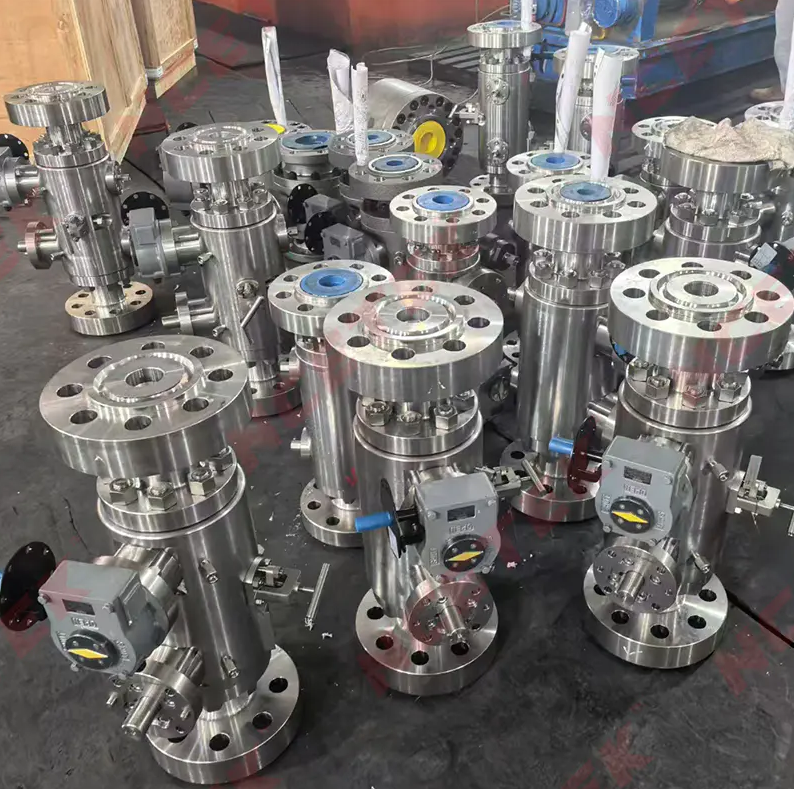
Industrial facilities handling liquefied gases and other cryogenic media require specialized valve solutions capable of operating reliably under extremely low-temperature conditions. LNG terminals, industrial gas production plants, hydrogen energy facilities, petrochemical complexes, and scientific applications all depend on advanced engineering to ensure stable process control and operational safety. A well-developed Cryogenic Ball Valve Design provides the structural integrity, dependable sealing performance, and thermal stability necessary for these demanding environments.
Low-temperature engineering presents challenges that differ significantly from conventional industrial valve applications. As temperatures decrease, metallic materials experience contraction while their mechanical properties change. If these factors are not properly considered during development, dimensional changes can affect sealing performance and operational reliability. Successful cryogenic valve engineering begins with a detailed understanding of thermal behavior and material compatibility.
Material selection is one of the most important aspects of cryogenic valve development. Austenitic stainless steel is widely chosen because it maintains excellent toughness and strength even at extremely low temperatures. Depending on operating requirements, duplex stainless steel and other high-performance alloys may also be selected to provide enhanced corrosion resistance and long-term structural stability. Careful material selection ensures dependable operation throughout repeated thermal cycles.
Engineers also focus on controlling thermal expansion differences between individual valve components. Internal clearances, sealing interfaces, and moving parts must remain properly aligned despite significant temperature variations. Optimized structural design compensates for these dimensional changes, allowing the valve to operate smoothly while preserving sealing effectiveness under severe operating conditions.
Reliable sealing technology is essential when controlling cryogenic media such as liquefied natural gas, liquid nitrogen, liquid oxygen, and liquid hydrogen. Even minor leakage may reduce process efficiency or create operational risks. Precision sealing structures are designed to maintain stable contact under varying pressure and temperature conditions, providing dependable isolation throughout continuous industrial service.
Modern manufacturing technology contributes significantly to cryogenic valve quality. Advanced CNC machining centers manufacture valve bodies, balls, stems, seats, and sealing components with extremely high dimensional accuracy. Precision machining improves assembly quality, minimizes operating friction, and supports consistent valve performance during repeated opening and closing cycles.
Flow efficiency also plays an important role in low-temperature pipeline systems. Carefully engineered internal flow passages reduce turbulence and pressure loss while allowing cryogenic media to move smoothly through the valve. Stable hydraulic characteristics help improve overall system efficiency while reducing unnecessary energy consumption.
Industrial cryogenic systems frequently experience repeated cooling and warming cycles, pressure fluctuations, vibration, and continuous operation. Robust structural design combined with high-quality manufacturing improves resistance to thermal fatigue, mechanical wear, and structural deformation. These engineering improvements extend service life while reducing maintenance requirements.
Maintenance planning benefits greatly from reliable valve construction. Durable internal components reduce wear during operation, allowing longer inspection intervals and minimizing unexpected shutdowns. Improved equipment availability supports continuous production while lowering overall maintenance costs across industrial facilities.
Cryogenic valve technology supports numerous industrial sectors beyond LNG transportation. Industrial gas manufacturing, hydrogen infrastructure, aerospace engineering, pharmaceutical production, specialty chemical processing, and advanced research facilities all require dependable low-temperature flow control equipment capable of maintaining reliable performance under challenging operating conditions.
Automation has become an important part of modern cryogenic systems. Electric, pneumatic, and hydraulic actuators enable accurate remote valve operation, while intelligent monitoring systems provide continuous equipment diagnostics and operational feedback. These technologies support predictive maintenance strategies and improve overall plant management efficiency.
Environmental responsibility is increasingly influencing industrial equipment design. High-performance sealing systems help reduce media emissions and improve resource utilization, while durable valve construction minimizes replacement frequency and conserves manufacturing materials. Long service life contributes to both economic and environmental sustainability.
Manufacturers with advanced engineering capabilities can also provide customized cryogenic valve solutions for specialized applications. Pressure ratings, body materials, connection standards, actuator configurations, and sealing arrangements can all be optimized according to project specifications, ensuring reliable integration into complex industrial systems.
Companies seeking professional Cryogenic Ball Valve Design solutions can rely on Zhejiang Naishi Valve Co., Ltd. for precision engineering, advanced manufacturing, and comprehensive industrial valve expertise. The company supplies reliable flow control solutions for LNG, industrial gas, and energy projects worldwide, with complete product information available through https://www.ncevalve.com/product/.

 English
 Arabic
 French
 Spanish
 Portuguese
 Deutsch
 Turkish
 Italiano
 Russian
 Romaian
 Portuguese (Brazil)
 Greek
Greek