


HIV Blood Test: Signs That Indicate You Should Consider Testing
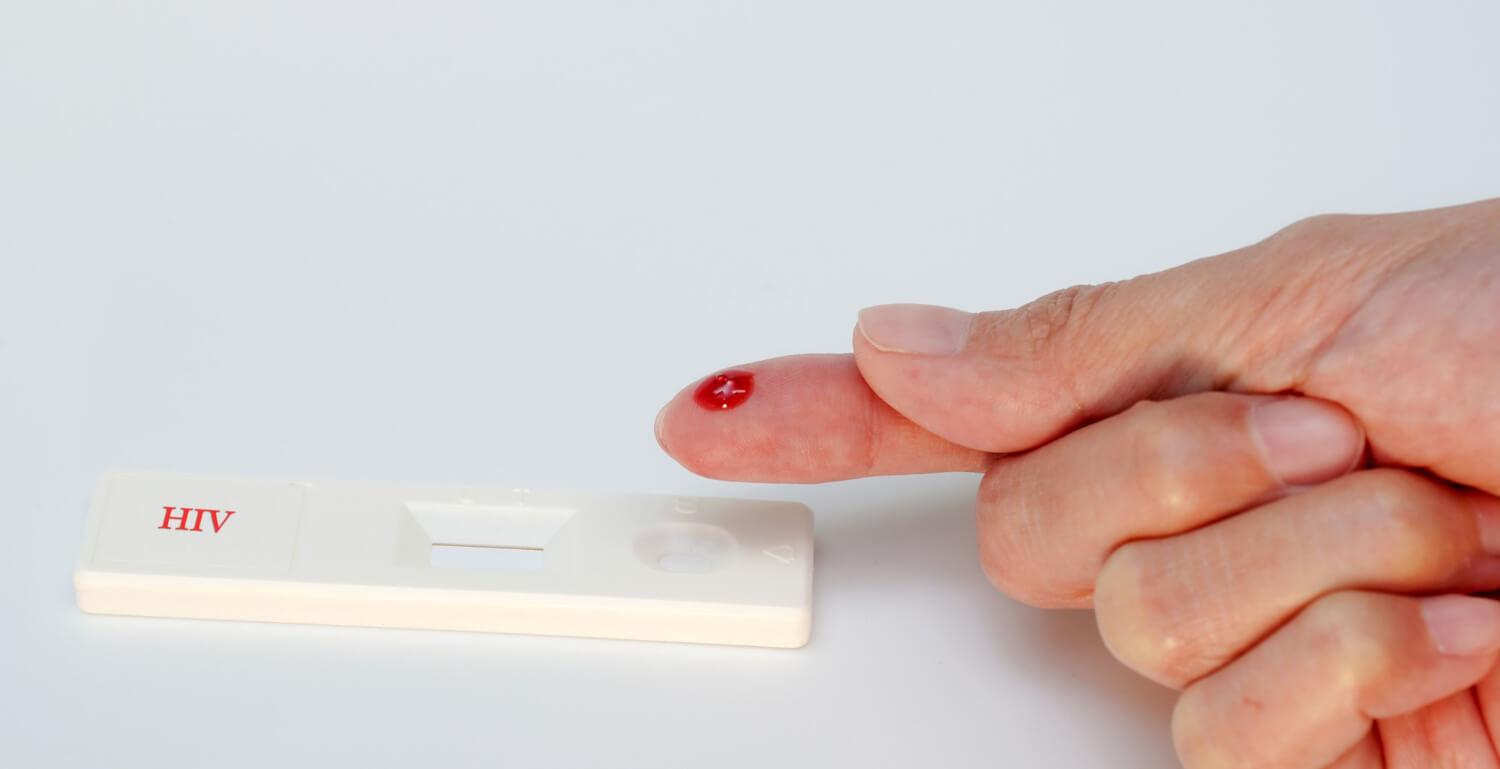
An HIV Blood Test is one of the most reliable ways to determine whether a person has Human Immunodeficiency Virus (HIV). While routine HIV screening is recommended for many adults as part of preventive healthcare, there are also situations where certain health changes or life events should encourage timely testing. Because HIV can develop without obvious symptoms during its early stages, many people are unaware they have been infected until the virus has already affected the immune system.
Recognizing the signs that may indicate the need for an HIV Blood Test in Dubai does not mean assuming an HIV infection is present. Many symptoms associated with HIV can also occur with common viral illnesses or other medical conditions. However, understanding when testing is appropriate helps individuals seek medical advice sooner, receive accurate laboratory evaluation, and access appropriate care if needed.
Why Symptoms Alone Cannot Diagnose HIV?
One of the biggest misconceptions about HIV is that symptoms always appear soon after infection. In reality, many individuals experience no noticeable signs during the early stages, while others may develop mild flu-like symptoms that resolve quickly.
Because these symptoms are not unique to HIV, healthcare providers rely on laboratory testing rather than physical symptoms alone. An HIV Blood Test detects biological markers such as HIV antibodies, the p24 antigen, or viral genetic material, providing a much more reliable assessment than symptom evaluation.
This is why testing is recommended whenever there is a possibility of exposure or when unexplained health changes occur.
Early Symptoms That May Prompt HIV Testing:
Some individuals experience temporary symptoms within the first few weeks after infection. These symptoms can resemble many other viral illnesses and should not be used to diagnose HIV without laboratory confirmation.
Possible early symptoms include:
Persistent Fever:
A fever that continues without an obvious cause may be one reason to consult a healthcare provider. While fever is associated with numerous illnesses, unexplained or prolonged fever sometimes warrants further medical investigation, including HIV screening when appropriate.
Swollen Lymph Nodes:
The lymph nodes are part of the body's immune system. Swelling in the neck, underarms, or groin may occur during various infections, including early HIV infection.
Fatigue:
Persistent tiredness that does not improve with adequate rest may indicate an underlying medical condition. If fatigue is accompanied by other unexplained symptoms or follows a possible HIV exposure, a healthcare provider may recommend an HIV Blood Test.
Skin Rash:
Some people develop a temporary rash during the early stage of HIV infection. However, skin rashes have many possible causes, making laboratory testing essential for an accurate diagnosis.
Sore Throat:
An unexplained sore throat, especially when combined with fever or swollen lymph nodes, may require medical evaluation.
Muscle and Joint Pain:
General body aches and joint discomfort can occur with many viral infections. Healthcare providers assess these symptoms alongside medical history and potential exposure.
Ongoing Health Changes That Should Not Be Ignored:
As HIV progresses without treatment, additional health concerns may develop. These symptoms are not exclusive to HIV but should encourage consultation with a healthcare professional.
Unexplained Weight Loss:
Losing weight without changes in diet or exercise may signal an underlying health issue that requires medical assessment.
Frequent Infections:
Repeated bacterial, viral, or fungal infections may indicate that the immune system is not functioning normally.
Persistent Night Sweats:
Night sweats occurring over an extended period should always be discussed with a healthcare provider.
Chronic Diarrhea:
Persistent digestive symptoms lasting several weeks may require comprehensive medical evaluation, including HIV screening when clinically appropriate.
Recurring Mouth Ulcers:
Repeated mouth sores or oral infections can sometimes occur in individuals with weakened immune function.
These symptoms do not confirm HIV but highlight the importance of seeking medical advice.
Situations That Indicate an HIV Blood Test May Be Appropriate:
Symptoms are only one reason to consider HIV screening. Certain life events or medical circumstances may also warrant testing.
After a Possible HIV Exposure:
If you believe you may have been exposed to HIV, it is important to contact a healthcare provider promptly. They can determine the appropriate testing schedule based on the timing of exposure and the recommended laboratory method.
During Routine Preventive Healthcare:
Many healthcare organizations recommend that adults include HIV screening as part of routine health check-ups, even when they have no symptoms.
Pregnancy:
HIV testing during pregnancy supports maternal health and helps healthcare providers plan appropriate medical care when needed.
Occupational Exposure:
Healthcare professionals who experience accidental exposure to blood or body fluids should follow established workplace protocols, which often include HIV testing.
Before Certain Medical Treatments:
Some medical evaluations include HIV screening as part of comprehensive health assessments.
Understanding the HIV Window Period:
A key factor in deciding when to have an HIV Blood Test is the window period.
The window period is the time between possible HIV exposure and when laboratory tests can reliably detect infection. During this interval, the body may not yet have produced detectable antibodies or sufficient viral markers.
Testing too early can produce a non-reactive result even if infection is present. For this reason, healthcare providers may recommend repeat testing based on the timing of exposure and the type of HIV test performed.
Understanding the window period helps improve the reliability of laboratory results.
Modern HIV Blood Tests and Their Accuracy:
Advances in laboratory medicine have significantly improved HIV diagnosis. Today, several testing methods are available depending on clinical needs.
Antibody Tests:
These tests detect antibodies produced by the immune system after HIV infection.
Fourth-Generation Antigen and Antibody Tests:
Fourth-generation HIV Blood Tests identify both HIV antibodies and the p24 antigen, allowing earlier detection than antibody-only methods.
HIV RNA Tests:
These specialized laboratory tests detect the virus itself and are used in selected situations where early infection is suspected.
Modern testing methods offer excellent diagnostic accuracy when performed at the appropriate time.
Why Early Testing Matters?
Receiving an HIV diagnosis during the early stages offers many health advantages.
Early detection allows healthcare providers to:
-
Monitor immune function
-
Recommend timely treatment
-
Reduce the risk of HIV-related complications
-
Support better long-term health outcomes
-
Provide preventive healthcare guidance
Early medical intervention has transformed HIV into a manageable long-term condition for many individuals.
Preparing for an HIV Blood Test:
Most HIV Blood Tests require very little preparation.
Patients are generally advised to:
-
Stay hydrated before the appointment
-
Inform the healthcare provider about recent exposure
-
Discuss current medications and medical history
-
Follow instructions if additional laboratory tests are ordered
Routine HIV Blood Tests usually do not require fasting unless combined with other investigations.
Common Misunderstandings About HIV Testing:
Several myths discourage people from seeking timely HIV screening.
Myth: You Only Need Testing If You Have Symptoms
Many people with HIV experience no symptoms during the early stages.
Myth: Feeling Healthy Means You Cannot Have HIV
HIV can remain undetected for years without causing noticeable illness.
Myth: HIV Testing Is Painful
The blood collection process typically involves only brief, mild discomfort.
Myth: One Negative Test Is Always Final
If testing occurs during the window period, repeat testing may be recommended.
Understanding these facts encourages informed healthcare decisions.
Frequently Asked Questions:
Should I get tested if I have flu-like symptoms?
Flu-like symptoms alone do not indicate HIV, but if they occur after a possible exposure or remain unexplained, consult a healthcare provider about appropriate testing.
Can HIV exist without symptoms?
Yes. Many individuals have no noticeable symptoms during the early stages of infection.
Does an HIV Blood Test require fasting?
No. Routine HIV Blood Tests generally do not require fasting unless other laboratory investigations are scheduled.
Can I request HIV screening during a regular health check-up?
Yes. HIV screening is commonly included in preventive healthcare and can be requested during routine medical evaluations.
Why is early diagnosis important?
Early detection supports timely treatment, protects immune health, improves long-term outcomes, and helps reduce HIV transmission.
Conclusion:
An HIV Blood Lab tests is the most dependable way to determine HIV status, particularly because the virus often develops without obvious symptoms. While signs such as persistent fever, swollen lymph nodes, unexplained fatigue, recurring infections, or weight loss should encourage medical evaluation, laboratory testing remains essential for an accurate diagnosis. In addition to symptoms, situations such as possible exposure, pregnancy, occupational incidents, or routine preventive healthcare may also indicate that testing is appropriate.
Modern HIV Blood Tests provide highly accurate results through advanced laboratory methods that detect antibodies, antigens, or viral genetic material. By recognizing when testing should be considered and understanding the importance of the window period, individuals can make informed healthcare decisions, access timely medical support, and take an active role in protecting their long-term health.

 English
 Arabic
 French
 Spanish
 Portuguese
 Deutsch
 Turkish
 Dutch
Dutch
 Russian
 Romaian
 Portuguese (Brazil)
 Greek
Greek