


PPRC Pipes and Fittings: A Complete Guide for Homeowners
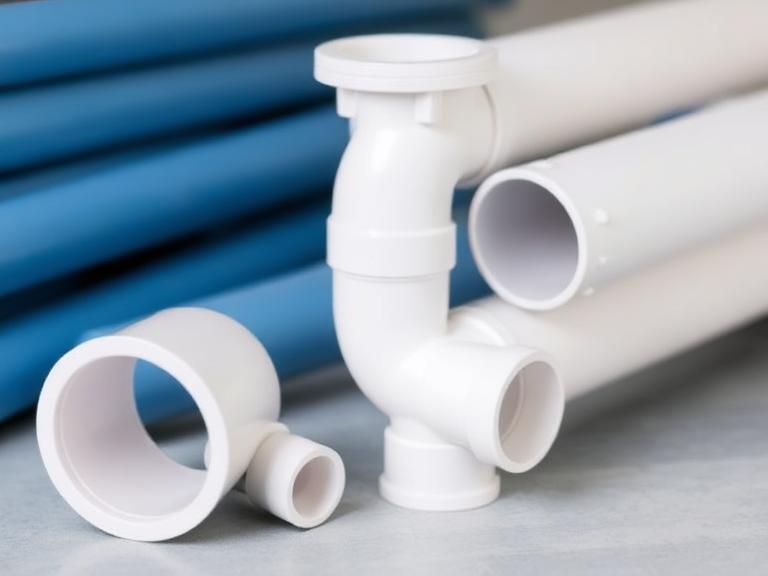
When building or renovating a home, your plumbing system is the silent hero that ensures comfort and hygiene. Choosing high-quality pprc pipes and fittings is essential for a leak-proof and durable water supply network that lasts for decades. PPRC, which stands for Polypropylene Random Copolymer, has quickly become the industry standard for residential plumbing due to its incredible heat resistance and chemical stability. Unlike old metal pipes, these modern solutions do not rust or corrode, making them the safest choice for drinking water.
What are PPRC Pipes and Fittings?
PPRC is a type of plastic piping made from a specific blend of polypropylene polymers. It is designed to handle both hot and cold water under significant pressure. The "Random" in the name refers to the molecular structure, which gives the material extra flexibility and strength.
These pipes are joined using a process called heat fusion. This creates a permanent, monolithic bond where the pipe and the fitting become a single continuous piece of material. This eliminates the risk of leaks at the joints, which is the most common failure point in traditional plumbing.
Key Benefits for Homeowners
Investing in a PPRC system offers several advantages that directly impact the longevity of your home. Here are the primary reasons why experts recommend them:
1. Exceptional Durability
PPRC systems are designed to last for over 50 years under normal operating conditions. They can withstand high temperatures up to 95 degrees Celsius, making them ideal for geyser connections and hot water lines.
2. Corrosion and Scale Resistance
One of the biggest problems with galvanized iron (GI) pipes is rusting. PPRC is entirely plastic-based, meaning it will never rust. Additionally, its smooth inner surface prevents the buildup of lime scale, which often restricts water flow in older homes.
3. Hygienic and Non-Toxic
PPRC is chemically inert. This means it does not react with water or release harmful chemicals into your drinking supply. It is a food-grade material that ensures your family has access to clean, odorless, and tasteless water.
4. Noise Reduction and Insulation
The thick walls of these pipes provide excellent acoustic insulation. You will notice much less noise from flowing water compared to metal pipes. Furthermore, PPRC has low thermal conductivity, which helps maintain the temperature of hot water as it travels from the heater to your tap.
Common Applications in Residential Buildings
Homeowners should know where exactly these pipes are most effective. While they are versatile, they excel in specific areas of the house.
-
Potable Water Systems: The primary use is for carrying drinking water from the main tank to kitchens and bathrooms.
-
Hot Water Networks: Because they can handle high heat without deforming, they are the best choice for solar water heaters and electric geysers.
-
Underfloor Heating: Their flexibility and heat retention make them perfect for modern radiant heating systems.
-
Industrial Liquid Transport: While mostly used in homes, they are also capable of transporting mild chemicals in home workshops or small industrial units.
The Importance of Proper Installation
The strength of a PPRC system lies in its joints. However, this strength depends entirely on the skill of the plumber and the quality of the welding tool used.
The Heat Fusion Process
Unlike PVC pipes that use solvent cement (glue), PPRC requires a specialized welding machine. The machine heats the outer surface of the pipe and the inner surface of the fitting simultaneously. Once the material reaches the melting point, the two pieces are pressed together.
Avoiding "Over-Welding"
A common mistake during installation is heating the pipe for too long. This can cause the internal diameter of the pipe to shrink at the joint, which reduces water pressure throughout the house. A professional plumber ensures the heating time is exact according to the pipe diameter.
How to Identify High-Quality PPRC Products
Not all pipes are created equal. To protect your investment, you should look for specific quality indicators before making a purchase.
-
Wall Thickness: Check the PN (Pressure Nominal) rating. For most home applications, PN20 is recommended as it offers a good balance of strength and flexibility.
-
Surface Finish: The exterior should be smooth and free from bubbles or cracks. The interior must be glassy and perfectly circular.
-
Branding and Labels: Reputable brands print their name, size, pressure rating, and manufacturing date clearly on every meter of the pipe.
-
Color Consistency: While PPRC usually comes in green, white, or grey, the color should be uniform. Streaks or patches may indicate poor raw material mixing.
Sourcing Materials in the Local Market
When you are ready to buy, it is important to choose a supplier with a strong reputation. Many pvc pipe manufacturers in pakistan have expanded their production lines to include high-grade PPRC systems. Choosing a local manufacturer with international certifications ensures that the product is suited for the local climate and water conditions.
Buying from established brands also means you can easily find matching fittings like elbows, tees, and valves. It is always recommended to buy pipes and fittings from the same brand. This ensures that the melting points and diameters match perfectly, resulting in a much stronger and more reliable fusion joint.
Maintenance Tips for Homeowners
While PPRC is largely maintenance-free, a few precautions can extend the life of your plumbing system even further.
-
UV Protection: PPRC pipes can become brittle if exposed to direct sunlight for many years. If your pipes are installed on the roof or exterior walls, make sure they are painted with UV-resistant paint or covered with insulation.
-
Pressure Testing: After installation but before the walls are plastered, always insist on a pressure test. This involves filling the system with water at high pressure to check for any slow leaks at the joints.
-
Avoid Physical Impact: While tough, the pipes can be punctured by nails or heavy drilling. Always keep a map of your plumbing lines before doing any DIY wall projects.
Conclusion
Switching to pprc pipes and fittings is one of the smartest upgrades a homeowner can make. These systems offer a unique combination of safety, durability, and cost-effectiveness that traditional materials simply cannot match. By understanding the material properties and ensuring professional installation, you can create a plumbing network that remains trouble-free for the lifetime of your home. Always prioritize quality over the lowest price to avoid the heavy costs of future repairs.
Frequently Asked Questions (FAQs)
1. How long do PPRC pipes typically last?
Under standard residential pressure and temperature conditions, PPRC pipes are designed to last for 50 years or more. Their resistance to corrosion and chemical reactions is the key to this longevity.
2. Can PPRC pipes be used for outdoor plumbing?
Yes, they can be used outdoors, but they must be protected from direct sunlight. Long-term exposure to UV rays can break down the plastic, so it is best to bury them or cover them with protective sleeves or paint.
3. Is it possible to connect PPRC pipes to existing metal pipes?
Yes, there are special "transition fittings" available. These fittings have a threaded metal end (either male or female) on one side and a plastic fusion end on the other, allowing you to bridge different piping materials easily.
4. Why is my water pressure low after installing new PPRC pipes?
Low pressure is often caused by "over-welding" during installation. If the plumber holds the pipe on the heating tool for too long, the melted plastic can push inward, creating a partial blockage inside the joint.
5. Are PPRC pipes better than PVC pipes?
For hot water and high-pressure drinking water systems, PPRC is far superior. PVC is generally used for cold water drainage or electrical conduits because it cannot handle high temperatures and the joints are not as strong as PPRC fusion bonds.

 English
 Arabic
 French
 Spanish
 Portuguese
 Deutsch
 Turkish
 Dutch
Dutch
 Italiano
 Romaian
 Portuguese (Brazil)
 Greek
Greek