


How to Select a Ductless Fume Hood for Flexible Lab Design?
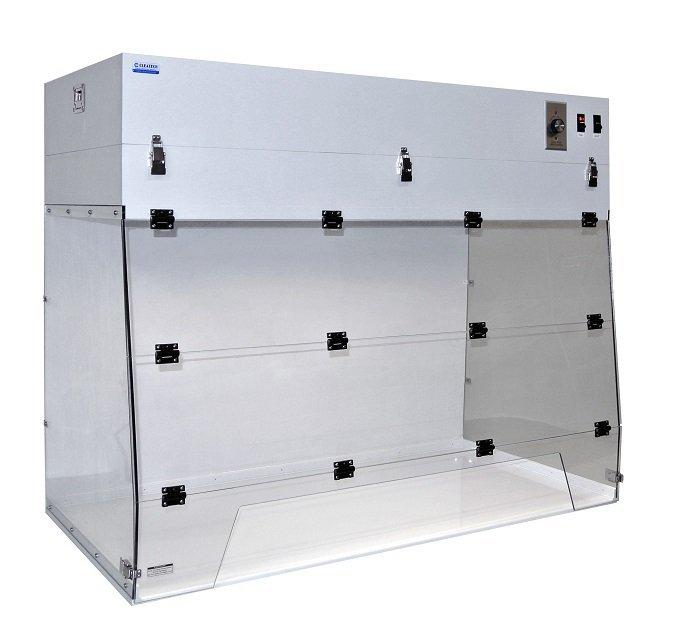
Creating a safe and adaptable laboratory starts with choosing equipment that supports your current projects while allowing room for future growth. If your laboratory handles changing workflows, limited floor space, or temporary research setups, selecting the right ductless fume hood can significantly improve safety, efficiency, and flexibility. Instead of relying on expensive ductwork and permanent installations, you can create a safer work environment with a properly selected filtration system that fits your operational needs.
However, not every ductless fume hood delivers the same performance. You should evaluate filtration technology, airflow, laboratory applications, safety certifications, and maintenance requirements before making your decision. By understanding these factors, you can invest in equipment that protects both your personnel and your research.
Understand Your Laboratory Applications
Before comparing different models, identify the chemicals and processes you perform every day. Different laboratory activities produce different airborne contaminants, and your fume hood should effectively capture and filter those substances.
Consider questions such as:
- What chemicals do you regularly use?
- Do you work with solvents, acids, or biological materials?
- How frequently will the hood operate?
- Will the laboratory layout change over time?
Answering these questions helps you select a filtration system designed specifically for your applications rather than purchasing equipment with unnecessary features or insufficient protection.
Evaluate the Filtration System
The filtration system is the heart of every ductless fume hood. Since these units do not exhaust contaminated air outside the building, filters must effectively remove hazardous particles and chemical vapors before clean air is recirculated.
Look for features including:
- High-quality activated carbon filters
- HEPA or ULPA filters for particulate removal
- Multiple filter configurations
- Easy filter replacement
- Filter saturation monitoring
Choosing the appropriate filter combination ensures reliable protection while extending equipment life and reducing maintenance costs.
If you are looking for high-performance ductless fume hood systems for adaptable laboratory environments, explore the Ductless Fume Hood solutions from CleaTech LLC.
Consider Laboratory Flexibility
Modern laboratories frequently evolve. Research projects change, equipment moves, and workspace requirements shift over time. Flexible laboratory design requires equipment that adapts without major facility renovations.
When selecting a ductless fume hood, consider:
- Portable configurations
- Compact footprint
- Benchtop compatibility
- Easy relocation
- Plug-and-play installation
Portable systems allow you to reorganize laboratory layouts without investing in costly ductwork modifications, making them ideal for growing research facilities and temporary workstations.
Focus on Airflow Performance
Consistent airflow protects laboratory personnel from exposure to hazardous fumes. Even the best filtration system becomes ineffective if airflow is unstable.
Look for equipment that provides:
- Uniform face velocity
- Continuous airflow monitoring
- Low turbulence
- Quiet operation
- Automatic airflow alarms
Stable airflow keeps contaminants inside the work area while maintaining operator comfort during extended laboratory procedures.
Verify Safety Standards
Laboratory safety should always remain your highest priority. Reputable manufacturers design ductless fume hoods that comply with recognized safety and performance standards.
Before purchasing, verify whether the equipment offers:
- Quality manufacturing
- Reliable filtration testing
- Chemical compatibility guidance
- Durable construction materials
- Clear maintenance documentation
Selecting equipment from an experienced manufacturer reduces operational risks while supporting long-term laboratory performance.
Choose the Right Size
Selecting the proper hood dimensions improves both safety and workflow efficiency. A hood that is too small may restrict your work, while an oversized unit may consume unnecessary laboratory space.
Evaluate:
- Available bench space
- Equipment dimensions
- Number of users
- Future expansion plans
- Required working area
Proper sizing helps maximize productivity without compromising containment performance.
Think About Maintenance Requirements
Routine maintenance directly affects the long-term effectiveness of your ductless fume hood.
Choose equipment with features that simplify maintenance, including:
- Easy-access filter compartments
- Replaceable filter cartridges
- Service indicators
- Smooth interior surfaces
- Corrosion-resistant materials
Simplified maintenance minimizes downtime while ensuring consistent laboratory protection.
Compare Energy Efficiency
Unlike traditional ducted systems, ductless fume hoods often consume less energy because conditioned indoor air remains inside the laboratory instead of being exhausted outdoors.
Energy-efficient designs can help you:
- Lower operating costs
- Reduce HVAC demand
- Improve sustainability
- Maintain indoor temperature stability
- Support environmentally responsible laboratory practices
These benefits become increasingly valuable for laboratories operating multiple workstations throughout the day.
Plan for Future Laboratory Growth
Your laboratory may expand as research requirements evolve. Choosing scalable equipment today helps avoid expensive upgrades later.
Consider whether your selected ductless fume hood supports:
- Additional filtration options
- New laboratory applications
- Increased workload
- Equipment relocation
- Facility expansion
Future-ready equipment provides greater long-term value while supporting continuous operational improvements.
Work with an Experienced Laboratory Equipment Manufacturer
Your equipment supplier plays an important role in laboratory success. Beyond manufacturing quality products, they should provide technical expertise, application guidance, and ongoing customer support.
When evaluating suppliers, consider their:
- Industry experience
- Product range
- Engineering capabilities
- Customer service
- Technical consultation
If you need trusted laboratory equipment solutions from an experienced cleanroom and laboratory equipment manufacturer, visit CleaTech LLC to explore solutions designed for research, manufacturing, healthcare, and industrial applications.
For personalized guidance on selecting the ideal ductless fume hood for your laboratory, Contact us today and speak with knowledgeable specialists who can recommend the best solution for your workspace.
Conclusion
Selecting the right ductless fume hood involves much more than comparing product specifications. You should carefully evaluate your laboratory applications, filtration requirements, airflow performance, flexibility, maintenance needs, and future growth plans. By investing in equipment designed for adaptable laboratory environments, you create a safer, more efficient workspace that supports evolving research demands. Thoughtful planning today helps ensure long-term laboratory performance, regulatory compliance, and operational flexibility.
Frequently Asked Questions
What is a ductless fume hood?
A ductless fume hood filters hazardous chemical vapors through specialized filtration systems and returns cleaned air to the laboratory without external ductwork.
When should you choose a ductless fume hood?
A ductless fume hood is ideal when you need flexible laboratory layouts, portable workstations, or facilities where installing ductwork is impractical.
Are ductless fume hoods suitable for all chemicals?
No. You should verify chemical compatibility with the hood's filtration system before use to ensure safe and effective contaminant removal.
How often should filters be replaced?
Filter replacement depends on chemical usage, operating hours, and manufacturer recommendations. Regular monitoring helps determine the appropriate replacement schedule.
What are the main benefits of a ductless fume hood?
Key benefits include installation flexibility, lower energy consumption, portability, reduced infrastructure costs, and effective protection for many laboratory applications.
How do you select the right ductless fume hood size?
Choose a size that accommodates your equipment, workflow, available space, and anticipated future laboratory expansion while maintaining safe working conditions.
Original Source: https://laboratoryquipment.blogspot.com/2026/08/how-to-select-ductless-fume-hood-for.html

 Arabic
 French
 Spanish
 Portuguese
 Deutsch
 Turkish
 Dutch
Dutch
 Italiano
 Russian
 Romaian
 Portuguese (Brazil)
 Greek
Greek