


Mastering Night Hunting: The Complete Guide to Thermal Imaging Systems
Introduction to Modern Night Vision
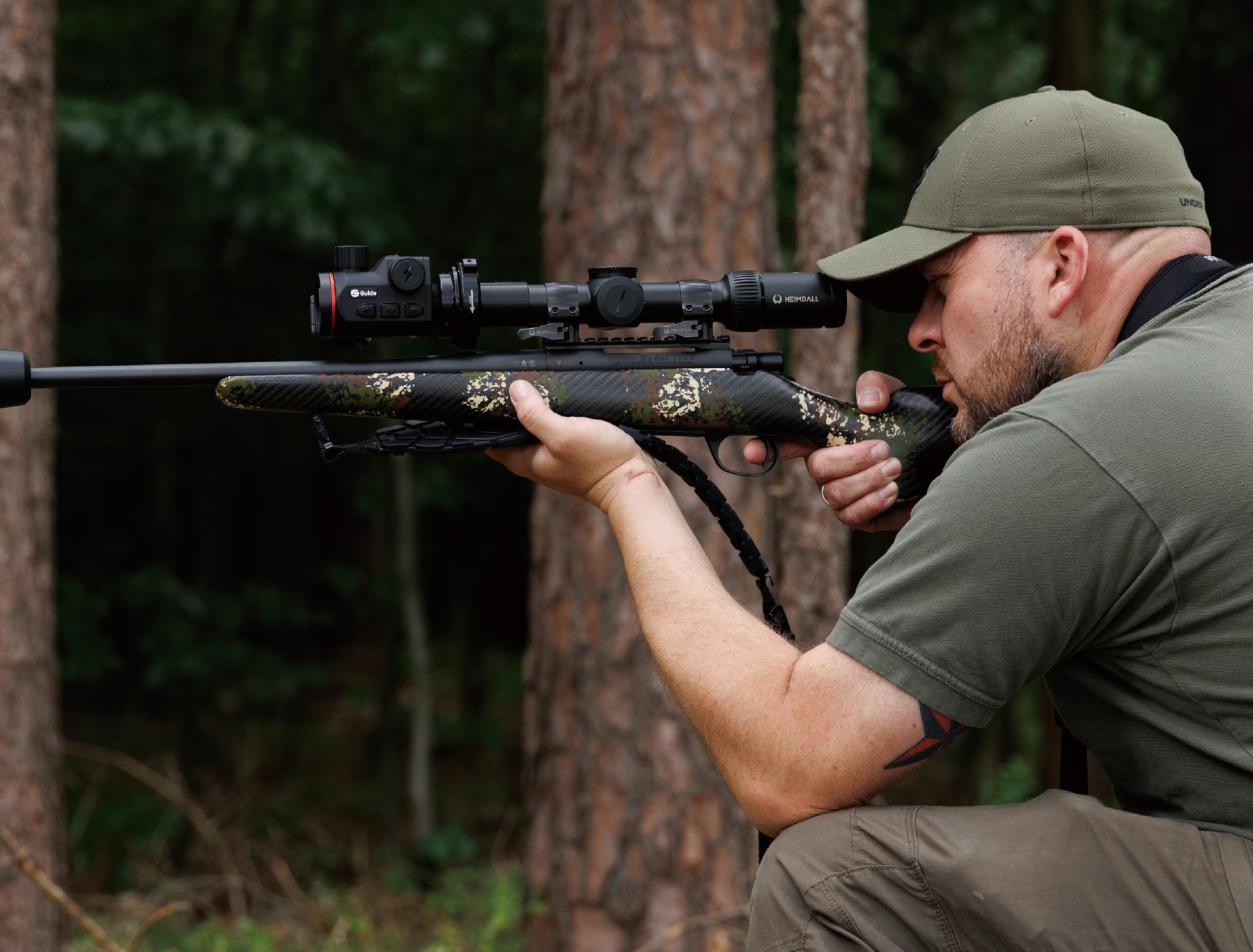
Hunting and nocturnal observation have evolved dramatically over the last few decades. Gone are the days when outdoorsmen and security personnel had to rely solely on bulky, light-intensifying night vision gear that washed out under bright lights or failed completely in absolute darkness. Today, thermal imaging has revolutionized how we perceive the world after dusk. For hunters looking to enhance their traditional glass optics without the hassle of dismounting their favorite daytime scope, a clip on thermal scope attachment offers the ultimate bridge between traditional marksmanship and cutting-edge thermal technology.
Understanding Thermal Technology
Unlike traditional night vision that amplifies ambient light (such as moonlight or starlight), thermal imaging detects heat signatures radiating from objects, animals, and humans. This means that fog, smoke, tall grass, and pitch-black darkness cannot hide your target. Thermal sensors read infrared radiation and translate temperature differentials into a clear, high-contrast visual display on an internal screen.
How Thermal Sensors Work
At the heart of every quality thermal device is a microbolometer—a specialized type of infrared sensor used as a thermal camera detector. When infrared energy hits the microbolometer, it changes electrical resistance, which is then measured and processed into a temperature map. This map is assigned a color palette, such as White Hot, Black Hot, or Red Hot, allowing the user to instantly spot warm-blooded game against a cooler background terrain.
Why Choose a Clip-On Thermal Device?
When upgrading your setup, you face a choice: buy a dedicated thermal scope or opt for a flexible alternative. Many seasoned shooters prefer the latter because it preserves their familiar day optic's eye relief, reticle, and magnification. A clip-on thermal imaging attachment mounts directly in front of your existing daytime riflescope, converting your standard setup into a powerful thermal powerhouse in mere seconds without requiring you to re-zero your weapon.
Key Benefits of Modular Thermal Systems
-
Zero Retention: High-end modular thermal units are engineered to maintain point-of-impact accuracy, meaning your daytime zero remains true.
-
Cost Efficiency: Instead of purchasing an entirely separate thermal weapon sight, you can utilize the scope you already know and trust.
-
Quick Transition: Switch effortlessly from daytime hunting to nighttime tracking without tools or complex calibration procedures.
Key Features to Consider Before Buying
Selecting the right thermal equipment requires a careful evaluation of technical specifications. Not all devices are created equal, and understanding what the numbers mean will help you make an informed investment for your nocturnal expeditions.
Sensor Resolution and Pixel Pitch
The resolution of the thermal core dictates the clarity of your image. Common resolutions range from 384x288 to 640x512 pixels. A higher resolution sensor provides a sharper image, allowing you to identify antler points or target details at greater distances. Additionally, a smaller pixel pitch (such as 12 micrometers) packs more pixels into a smaller area, enhancing image detail and overall detection range.
Refresh Rate and Display Quality
A high refresh rate (typically 50Hz) ensures that the image on screen moves smoothly without stuttering or lag, which is critical when tracking fast-moving game. Pair this with a high-definition OLED or AMOLED display, and you get crisp visuals even in freezing sub-zero weather conditions.
Maximizing Field Performance with a Thermal Clip-On
Integrating a thermal clip on for scope into your hunting kit opens up new possibilities for ethical and efficient pest control and predator hunting. However, maximizing its potential requires proper field techniques and a solid understanding of environmental factors.
Environmental Factors and Thermal Contrast
Thermal imaging relies entirely on temperature differences. On a hot summer day, the ground can match the temperature of wildlife, slightly reducing contrast. Conversely, on a crisp autumn or cold winter night, targets stand out brilliantly. Learning to read these thermal gradients will dramatically improve your scouting success.
Conclusion
The evolution of thermal optics has permanently changed the landscape of nocturnal observation and hunting. By bridging the gap between traditional daytime glass and advanced infrared technology, modular thermal systems provide unmatched versatility, accuracy, and convenience. Whether you are managing pest populations or tracking elusive predators after dark, equipping your rifle with modern thermal solutions ensures you never miss a beat when the sun goes down.
Frequently Asked Questions
Does using a clip-on thermal device change the zero of my daytime riflescope? High-quality thermal clip-ons are designed to be precision-aligned with your optical axis, meaning they generally do not alter your day scope's point of impact. However, it is always recommended to verify your zero at the shooting range before heading into the field.
Can I use a thermal clip-on during daylight hours? Yes. Unlike older generation night vision devices that could be damaged by bright light, thermal sensors detect heat rather than light. They can be safely operated 24/7 in bright sunlight, fog, rain, or total darkness.
How does a clip-on attach to my existing rifle scope? These devices typically mount using specialized adapter rings or quick-detach rail mounts that clamp securely onto the objective bell of your daytime scope or directly onto the Picatinny rail just in front of it.
What is the typical detection range for these thermal units? Detection range varies based on sensor resolution, lens size, and atmospheric conditions. Entry-level units can easily detect human or animal-sized targets at over 1,000 yards, while high-end models extend that capability significantly further.
Are battery life and power management efficient on modern thermal units? Modern thermal systems utilize energy-efficient micro-displays and rechargeable lithium-ion battery packs, often providing anywhere from 4 to 8 hours of continuous operation, with options to connect external USB power banks for extended stakeouts.

 English
 Arabic
 French
 Spanish
 Portuguese
 Deutsch
 Turkish
 Dutch
Dutch
 Russian
 Romaian
 Portuguese (Brazil)
 Greek
Greek