


What Is Executive Security? Skills, Training, and Career Opportunities
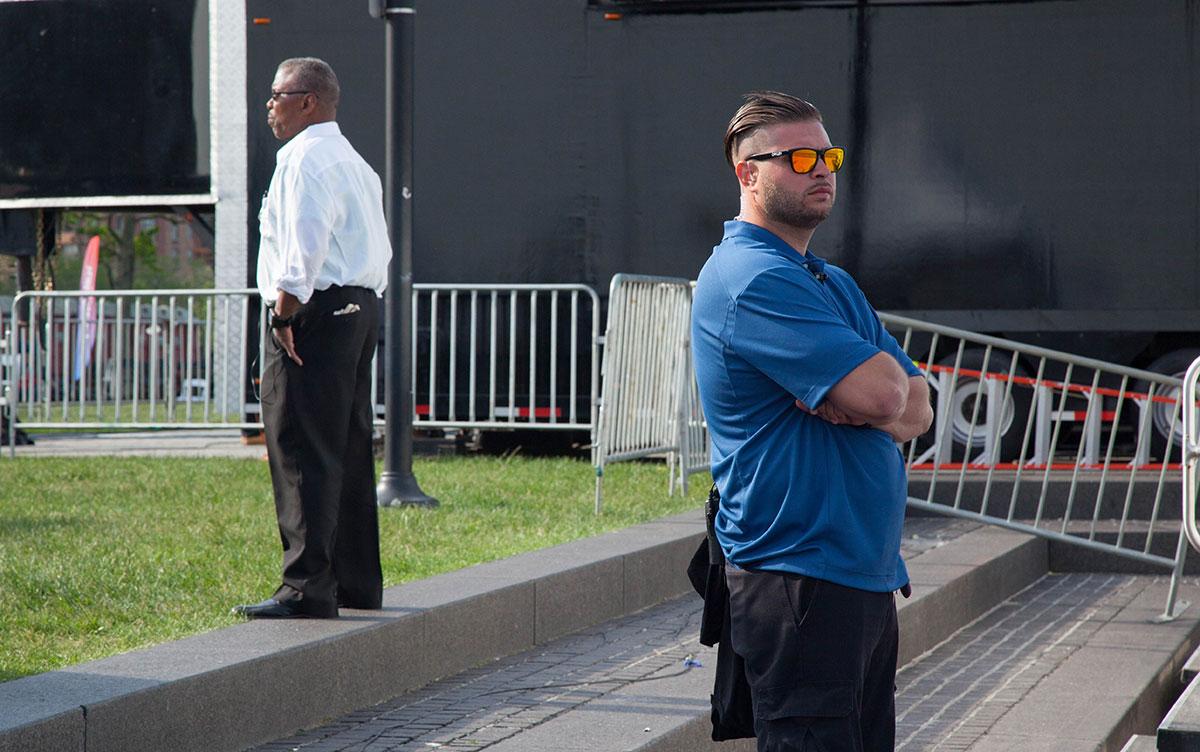
When important business leaders, celebrities, public figures, or other high-profile individuals face potential risks, they may need more than traditional security services. This is where executive security becomes important. But what is executive security, and what does an executive security professional actually do?
Executive security is a specialized area of protection focused on keeping individuals safe while they work, travel, attend meetings, participate in public events, or handle their daily activities. It combines planning, risk awareness, communication, observation, and professional security skills to reduce potential threats.
What Is Executive Security?
Executive security is the professional protection of high-profile individuals who may face increased security risks because of their position, profession, public visibility, wealth, or responsibilities.
Unlike basic security duties, executive security involves more detailed planning and personalized protection. Professionals may assess locations before an event, plan safe routes, monitor potential risks, and coordinate with other security personnel.
The main goal is to provide protection while allowing the client to continue normal activities with as little disruption as possible.
Why Executive Security Is Important
Executives and public figures often have demanding schedules. They may travel between offices, attend conferences, meet clients, participate in public events, or visit unfamiliar locations.
These situations can create different security challenges. A professional executive security team helps identify possible concerns before they become serious problems.
Effective executive protection can involve:
-
Risk assessment
-
Advance planning
-
Travel security
-
Event security
-
Route planning
-
Threat awareness
-
Emergency response
-
Secure transportation coordination
-
Communication with security teams
The exact responsibilities depend on the client's needs and the environment.
Skills Needed for Executive Security
A successful executive protection professional needs more than physical strength. Good judgment, communication, and attention to detail are equally important.
1. Observation Skills
Security professionals must remain aware of their surroundings. Recognizing unusual behavior, changes in an environment, or potential safety concerns can help prevent problems.
2. Communication
Clear communication is essential when working with clients, coworkers, law enforcement, event staff, and other professionals. Security teams must share important information quickly and accurately.
3. Decision-Making
Situations can change quickly. Executive protection professionals need to make calm and practical decisions while considering the safety of their clients.
4. Planning
Advance planning is a major part of executive security. Professionals may review locations, transportation arrangements, schedules, entrances, exits, and possible emergency procedures before an assignment.
5. Professionalism
Executive protection professionals often work closely with high-profile clients. They must maintain confidentiality, respect personal boundaries, and behave professionally at all times.
Executive Security Training
Proper training is an important foundation for anyone interested in this career. Executive protection training can introduce students to the principles and responsibilities involved in protecting high-profile individuals.
Training may cover areas such as:
-
Threat assessment
-
Risk management
-
Protective planning
-
Emergency procedures
-
Surveillance awareness
-
Defensive techniques
-
Transportation security
-
Communication
-
Professional conduct
At KTI NYC, students interested in executive protection can develop knowledge and skills that support a career in this specialized area of security. Professional training can help individuals understand the expectations of executive protection assignments and prepare for real-world situations.
Career Opportunities in Executive Protection
Executive security can offer opportunities in several environments. Professionals may work with corporate executives, celebrities, entertainers, private clients, public figures, or organizations that require specialized protection.
Possible career paths can include:
-
Executive protection specialist
-
Personal protection professional
-
Corporate security specialist
-
Close protection officer
-
Security team member
-
Event protection specialist
Experience and additional training can help professionals qualify for more advanced responsibilities over time.
How Executive Security Differs From Traditional Security
Traditional security guards may focus on protecting a specific property, controlling access, monitoring surveillance systems, or maintaining order at a facility.
Executive security is more focused on protecting a specific person. The professional may move with the client throughout the day and adjust security plans according to changing locations and circumstances.
This requires flexibility, strong situational awareness, careful planning, and the ability to work discreetly.
Building a Career in Executive Protection
Individuals interested in executive security should focus on developing a strong professional foundation. Security experience can be valuable, while specialized training can provide additional knowledge for executive protection assignments.
Continuing education is also important because security risks, technology, and professional practices continue to change.
A strong executive protection professional should be prepared to learn, communicate effectively, work as part of a team, and remain calm under pressure.
Why Choose KTI NYC for Security Training?
KTI NYC provides professional security training designed to help individuals develop the knowledge and skills needed for security careers. For students interested in executive protection, specialized training can provide valuable insight into protective responsibilities, risk management, and professional standards.
By combining education with practical career preparation, KTI NYC helps aspiring security professionals take meaningful steps toward their career goals.
Conclusion
So, what is executive security? It is a specialized form of protection designed to help keep high-profile individuals safe while they work, travel, and participate in everyday activities.
Successful executive security requires planning, observation, communication, professionalism, and sound decision-making. For individuals interested in this career path, specialized training can provide an important foundation.
With professional education and continued skill development, aspiring security professionals can prepare themselves for opportunities in executive protection and related areas of the security industry. KTI NYC offers training resources for individuals who want to strengthen their security knowledge and pursue new career opportunities.
Frequently Asked Questions
1. What is executive security?
Executive security is specialized protection for high-profile individuals such as corporate executives, celebrities, public figures, and private clients who may face increased security risks.
2. What skills are important in executive security?
Important skills include observation, communication, decision-making, risk assessment, planning, professionalism, and emergency response.
3. Is training required for an executive security career?
Training is an important part of developing the knowledge and skills needed for professional security work. Specialized executive protection training can help prepare individuals for this career path.
4. Where can executive security professionals work?
Executive security professionals may work with corporate leaders, celebrities, private clients, public figures, event organizers, and organizations requiring specialized protection.

 Arabic
 French
 Spanish
 Portuguese
 Deutsch
 Turkish
 Dutch
Dutch
 Italiano
 Russian
 Romaian
 Portuguese (Brazil)
 Greek
Greek