


Rockvalves Approaches to Sour Service Gate Valve Selection via NACE
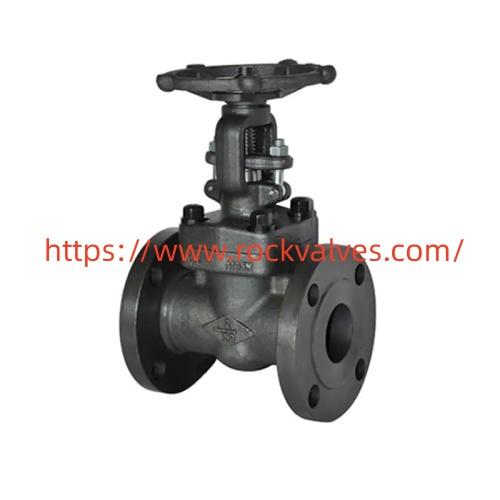
Sour Service Gate Valve selection begins with a clear understanding of the conditions that trigger compliance needs under NACE MR0175 ISO 15156. Environments containing free water and hydrogen sulfide above a partial pressure of 0.0003 MPa require materials resistant to sulfide stress cracking and related forms of degradation. Carbon and low alloy steels must stay at or below 22 HRC including welds and heat affected zones. Heat treatment such as normalizing or tempering becomes essential and post weld heat treatment is often required to keep residual stresses under control.
Austenitic stainless grades in the solution annealed condition offer resistance without the same hardness ceiling in many cases yet temperature and chloride limits still apply. Grades such as 316 remain common for internal components when operating temperatures stay moderate. Duplex and nickel based alloys expand the range for higher partial pressures or elevated temperatures provided the specific tables in the standard confirm suitability. Bolting must also follow the rules. Standard high strength grades exceed hardness limits so modified versions tempered to meet the 22 HRC threshold are specified instead.
Determining the correct standard starts with location and fluid details. Production side applications with chlorides typically fall under the current edition of MR0175 ISO 15156 while certain plant side conditions without chlorides may reference MR0103. Procurement documents should state the exact edition required along with measured hydrogen sulfide levels temperature range chloride content and presence of elemental sulfur or other factors. Material test certificates confirming hardness heat treatment condition and chemical composition form the evidence trail.
Hardness testing on actual components rather than relying solely on nominal data prevents surprises. Body and bonnet castings or forgings need verification. Trim materials receive equal attention because stems wedges and seating surfaces experience direct exposure. Overlay processes when used must produce deposits that themselves satisfy the hardness and alloy rules. Hydrogen induced cracking testing according to related procedures supplies additional assurance for plate or forged stock in higher risk zones.
Design features that support reliability include rising stem configurations with outside screw and yoke arrangements that keep threads away from the process media. Full material traceability from melt to finished piece allows operators to confirm every wetted part meets the criteria. Positive material identification checks on critical alloys add a further layer of confidence before installation.
Rockvalves supplies isolation equipment manufactured to these material and process controls. Careful attention to heat treatment records and hardness results ensures the finished items align with the environmental limits listed in the standard.
Operators gain practical value by matching the alloy group to the precise combination of partial pressure temperature and chloride concentration rather than applying a single blanket specification. Region based tables within the standard guide the choice of corrosion resistant alloys when carbon steel reaches its practical boundary. Documentation packages that include mill certificates hardness maps and heat treatment charts simplify review by inspection teams and regulatory bodies.
Installation and maintenance practices also influence long term performance. Proper torque on bolting assembly under controlled conditions and periodic inspection of exposed surfaces help preserve the integrity established during manufacture. When operating parameters change over the life of a facility a fresh review against the current edition of the standard prevents gaps.
The combination of verified hardness controlled chemistry and complete certification creates a reliable path for equipment used where hydrogen sulfide is present. Attention to these details during specification and purchase reduces the chance of unexpected cracking and supports continuous safe operation.
For detailed product options and technical data sheets visit https://www.rockvalves.com/product/ where full material compliance information is available.

 English
 Arabic
 French
 Portuguese
 Deutsch
 Turkish
 Dutch
Dutch
 Italiano
 Russian
 Romaian
 Portuguese (Brazil)
 Greek
Greek