


Why ERD Clothing Comes With Such a High Price Tag
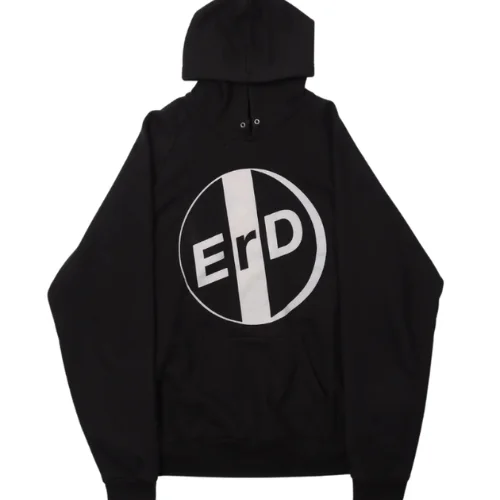
A plain-looking hoodie for over $1,000, or a t-shirt averaging $700 to $1,800, might seem hard to justify at first glance. But ERD's pricing isn't random — it reflects a specific business philosophy, a genuinely hands-on production process, and a brand that has built high prices into its core identity from day one. Here's what's actually driving the cost.
1. High Prices Are a Deliberate Founding Principle
One of the core precepts of Enfants Riches Déprimés is very high price points, with t-shirts ranging on average from $700 to $1,800, and haute couture jackets enfantrichesdeprime.com and pieces priced as high as $95,000. That's not an accident of scale or a pricing strategy added later — it was built into the brand from its earliest collections, reflecting founder Henri Alexander Levy's use of pricing itself as a form of commentary on consumer culture.
- T-shirts average $700–$1,800; select pieces have reached $95,000
- High pricing established as a founding principle, not a later adjustment
- Part of a deliberate critique of consumerist culture, not just a business decision
2. Every Piece Is Genuinely Hand-Worked
Unlike mass-produced streetwear, ERD garments are made by hand: hoodies get painted, T-shirts get torn up on purpose, and jackets get worked on piece by piece instead of pulled off a production line. That process means two hoodies off the same rack rarely look quite the same, since each piece involves individual labor — distressing, painting, or appliqué work — rather than a repeatable factory process that can be scaled cheaply.
- Individual hand-painting, distressing, and appliqué work on each piece
- No standardized production line, meaning higher labor cost per item
- Genuine variation between pieces as a direct result of the process
3. Small Runs That Never Get Restocked
ERD consistently relies on a business model built around artificial scarcity, releasing pieces in small runs that simply don't come back once they sell out. That approach keeps production costs concentrated on smaller batches rather than spread across mass manufacturing, and it means the brand isn't optimizing for the kind of cost efficiency that keeps typical streetwear prices low.
- Small production runs that aren't restocked once sold out
- Manufacturing costs concentrated on limited batches, not mass production
- Scarcity built into the business model from the outset
4. Materials and Finishing Closer to Luxury Than Streetwear
While ERD's silhouettes are streetwear — hoodies, tees, leather jackets — the finishing and price point sit much closer to luxury fashion. Hoodies typically start with heavyweight fleece before being distressed, hand-painted, or appliquéd, and leather pieces like biker jackets and moto leather pants have listed at $6,000 and $3,950 respectively. That combination of heavyweight base materials and labor-intensive finishing pushes production costs well beyond typical streetwear categories.
- Heavyweight base fabrics before extensive hand-finishing work
- Leather pieces priced well into luxury territory, reflecting genuine material cost
- Streetwear silhouettes paired with luxury-level construction standards
5. You're Paying for Genuine Artistic Intent
Founder Henri Alexander Levy operates ERD as much as an art project as a clothing line, citing painters like Cy Twombly and Jean Dubuffet alongside punk and Japanese avant-garde design as influences. The clothes read less like a typical seasonal collection and more like something made for the artist's own expression first, sold second. That conceptual weight is part of what buyers are paying for — not just fabric and labor, but a piece tied to a specific artistic vision.
- Genuine fine-art influences shaping the design process
- Clothing conceived with artistic intent rather than mass-market appeal
- Pricing reflects conceptual and creative value, not just material cost
6. Cult Status and Celebrity Demand Support the Price
ERD has built a genuinely wide celebrity following, including Travis Barker, Rihanna, and Gunna, alongside campaigns featuring figures like Larry Clark and Richard Hell. That level of demand from cultural tastemakers, combined with the brand's deliberately exclusive positioning, has allowed ERD to sustain high prices without needing to broaden its audience or lower costs through mass production. If you want to see current pricing across the lineup for yourself, it's worth taking a look and you can Shop Here through the brand's official site or select international stockists.
- Genuine celebrity demand supports sustained high pricing
- Exclusive positioning reduces pressure to broaden the audience or cut costs
- Cult status built without needing to compromise on price or scale
The Bottom Line
ERD's high price tag isn't primarily about brand markup — it reflects a genuinely hand-worked production process, small, non-restocked runs, luxury-adjacent materials and finishing, and a deliberate business philosophy that treats scarcity and high pricing as part of the brand's artistic statement. Whether that's worth the cost depends on how much value you place on hand-crafted, conceptually driven fashion over conventional streetwear pricing, but the cost itself is rooted in real production and philosophical choices rather than pure hype.
FAQs
1. How expensive is ERD clothing on average? T-shirts typically range from $700 to $1,800, hoodies commonly run over $1,000, and select haute couture pieces have been priced as high as $95,000.
2. Why doesn't ERD lower its prices by producing more? The brand relies on a business model of artificial scarcity, deliberately keeping production runs small and unrestocked rather than scaling for cost efficiency.
3. Are ERD garments actually hand-made? Yes. Hoodies are painted, T-shirts are torn up on purpose, and jackets are worked on piece by piece, resulting in genuine variation between individual items.
4. Is ERD considered a streetwear brand or a luxury brand? It's a mix of both — the silhouettes (hoodies, tees, jackets) are streetwear, but the finishing techniques and price points are much closer to luxury fashion.
5. Does ERD's pricing reflect artistic value, not just material cost? Largely, yes. Founder Henri Alexander Levy treats the brand as much as an art project as a clothing line, and the pricing reflects that conceptual, artist-driven approach.
6. Do celebrities really pay full price for ERD pieces? The brand has a genuine celebrity following, including figures like Travis Barker and Rihanna, which has helped sustain demand for the brand's high pricing without needing to lower costs.

 English
 Arabic
 French
 Spanish
 Portuguese
 Deutsch
 Turkish
 Dutch
Dutch
 Italiano
 Romaian
 Portuguese (Brazil)
 Greek
Greek