


Is Bite Correction Surgery Safe for Adults?
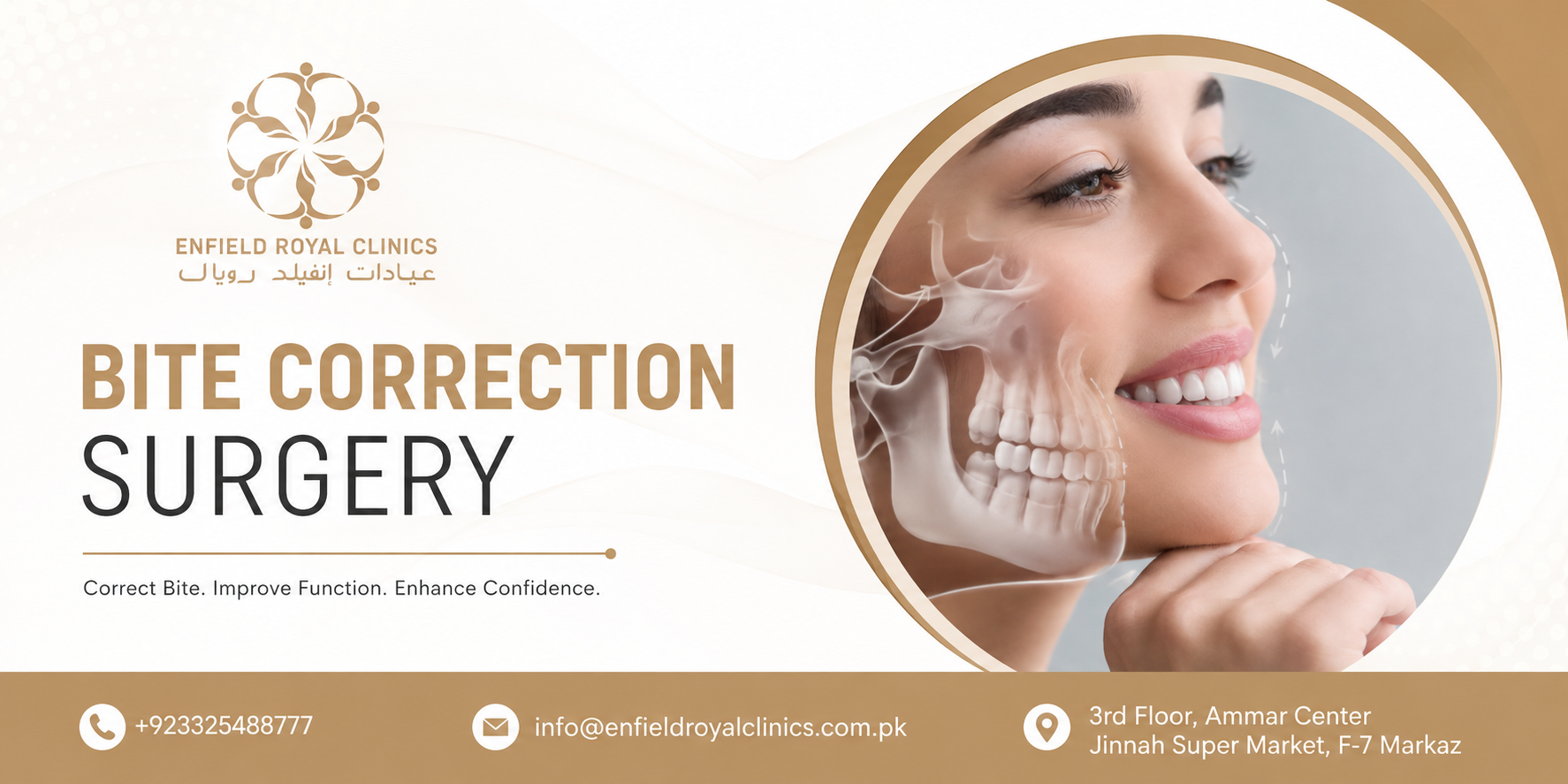
Adults with significant jaw misalignment may wonder whether corrective jaw surgery is safe after facial growth has finished. Bite Correction Surgery can be an appropriate treatment for adults with certain severe bite problems, particularly when the underlying issue is related to the position or development of the jaws.
Like any major surgical procedure, it carries potential risks. However, careful patient evaluation, detailed treatment planning, appropriate surgical care, and proper follow-up can help support a safe treatment process. Whether surgery is suitable depends on the individual's dental condition, general health, jaw structure, and treatment goals.
Why Do Adults Consider Bite Correction Surgery?
Some adults have lived with an incorrect bite since childhood, while others develop or notice functional problems later in life.
Common reasons for considering Bite Correction Surgery include:
- Severe overbite
- Significant underbite
- Open bite
- Jaw asymmetry
- Difficulty chewing
- Problems related to jaw alignment
- Facial imbalance associated with skeletal jaw differences
- Bite problems that cannot be adequately corrected with orthodontics alone
The decision should be based on the underlying problem rather than age alone.
Is Bite Correction Surgery Safe for Adults?
For appropriately selected adults, Bite Correction Surgery can be performed safely by a qualified and experienced surgical team.
Before treatment, adults generally undergo a detailed evaluation to determine whether they are suitable candidates. This may include dental examinations, X-rays, digital scans, photographs, and assessment of overall health.
The surgical team also reviews relevant medical history, medications, allergies, previous procedures, and other factors that could influence surgery or recovery.
No surgery is completely risk-free, so patients should understand both potential benefits and complications before proceeding.
Does Age Affect Recovery?
Age can influence recovery, but there is no single age at which jaw surgery becomes automatically unsafe.
Adults may have different healing patterns and health considerations compared with younger patients. For this reason, the surgical team considers overall health rather than relying only on the patient's age.
A healthy adult may recover well, while another person of the same age may require additional evaluation because of underlying health factors.
What Health Factors Are Considered?
Before Bite Correction Surgery, the surgical team may evaluate several aspects of a patient's health.
These can include:
- General physical health
- Oral and gum health
- Bone health
- Smoking or tobacco use
- Existing medical conditions
- Current medications
- Previous surgeries
- Healing history
Good oral health is particularly important because the surgical area may involve tissues inside the mouth.
If an existing dental or health problem needs attention, treatment may be recommended before surgery.
What Are the Common Risks for Adults?
Adults face many of the same potential surgical risks as other patients. These may include swelling, bruising, discomfort, bleeding, infection, delayed healing, changes in sensation, and bite-related issues.
Because nerves are located near the jawbones, temporary numbness or altered sensation may occur after certain procedures. In some cases, sensory changes can last longer.
The individual risk depends on the surgical technique, anatomy, health status, and other factors.
Does Previous Dental Treatment Affect Surgery?
Many adults have already received orthodontic treatment, dental restorations, or other dental procedures.
Previous treatment does not automatically prevent someone from undergoing Bite Correction Surgery. However, the surgical and orthodontic team needs to understand the patient's dental history before creating a treatment plan.
Existing crowns, implants, missing teeth, gum problems, or previous orthodontic treatment may influence the overall approach.
Is Orthodontic Treatment Needed?
In many adult cases, orthodontics and corrective jaw surgery are used together.
Braces or clear aligners may be used before surgery to prepare the teeth for the planned jaw movement. After surgery, orthodontic treatment can continue to refine the final tooth alignment.
The purpose is to coordinate the position of the teeth with the corrected jaw relationship.
The total treatment timeline therefore includes both surgical recovery and orthodontic treatment when required.
What Is Adult Recovery Like?
Recovery after Bite Correction Surgery is gradual. Swelling and discomfort are common during the early stages, and eating may be restricted to liquids or soft foods depending on the procedure.
Patients generally return to normal activities in stages. The exact timeline depends on the extent of surgery, occupation, healing progress, and the surgeon's recommendations.
Even when patients begin feeling better, the jawbones may still be healing internally. Following activity and dietary restrictions is therefore important.
Can Adults Benefit Functionally?
Yes. When a significant skeletal bite problem is responsible for functional difficulties, correcting the jaw relationship may improve oral function.
Potential benefits can include:
- Improved chewing
- Better bite alignment
- More balanced distribution of chewing forces
- Improved jaw relationship
- Easier oral function
- Improved facial balance in selected cases
The results depend on the patient's individual condition and the reason surgery was recommended.
Can Adults Experience Facial Changes?
Because the jaws contribute to facial structure, repositioning them can change certain aspects of facial appearance.
Depending on the procedure, patients may notice changes in the chin, jawline, lips, facial profile, or overall facial balance.
These changes are generally related to correcting the underlying skeletal problem. Patients should discuss expected facial changes with their surgical team before treatment.
How Can Adults Prepare for Surgery?
Good preparation can help patients approach surgery with realistic expectations.
Before Bite Correction Surgery, patients should:
- Complete recommended dental examinations
- Follow preoperative instructions
- Discuss medications with the healthcare team
- Maintain good oral hygiene
- Arrange appropriate recovery support
- Prepare suitable foods for the recovery period
- Understand activity restrictions
- Attend required appointments
Patients should also provide complete information about their medical and dental history.
When Should Adults Avoid or Delay Surgery?
Surgery may need to be delayed if certain health or dental issues require treatment first.
For example, active dental infections, poor oral health, uncontrolled health conditions, or other concerns may need to be addressed before elective jaw surgery.
The surgical team will determine whether the patient is ready for treatment based on their individual circumstances.
Final Thoughts
Is Bite Correction Surgery safe for adults? For appropriately selected adults, it can be a suitable and effective treatment for significant skeletal bite problems. However, it is a major procedure with potential risks, so careful assessment and planning are essential.
Age alone does not determine whether someone is a suitable candidate. General health, jaw structure, oral health, treatment goals, and the severity of the bite problem all play important roles.
Adults considering corrective jaw surgery should consult a qualified dental and surgical team to understand their individual benefits, risks, recovery requirements, and expected results.
For more information visit Enfield royal clinic in islamabad

 Arabic
 French
 Spanish
 Portuguese
 Deutsch
 Turkish
 Dutch
Dutch
 Italiano
 Russian
 Romaian
 Portuguese (Brazil)
 Greek
Greek