


Gut Microbiome Test: What’s the Difference Between Bacteria and Other Microbes?
Your gut is home to a vast community of microscopic organisms that influence digestion, metabolism, immune function, and the overall intestinal environment. When people hear the term “gut microbiome,” they often think only of bacteria. However, bacteria are just one part of a much larger microbial ecosystem.
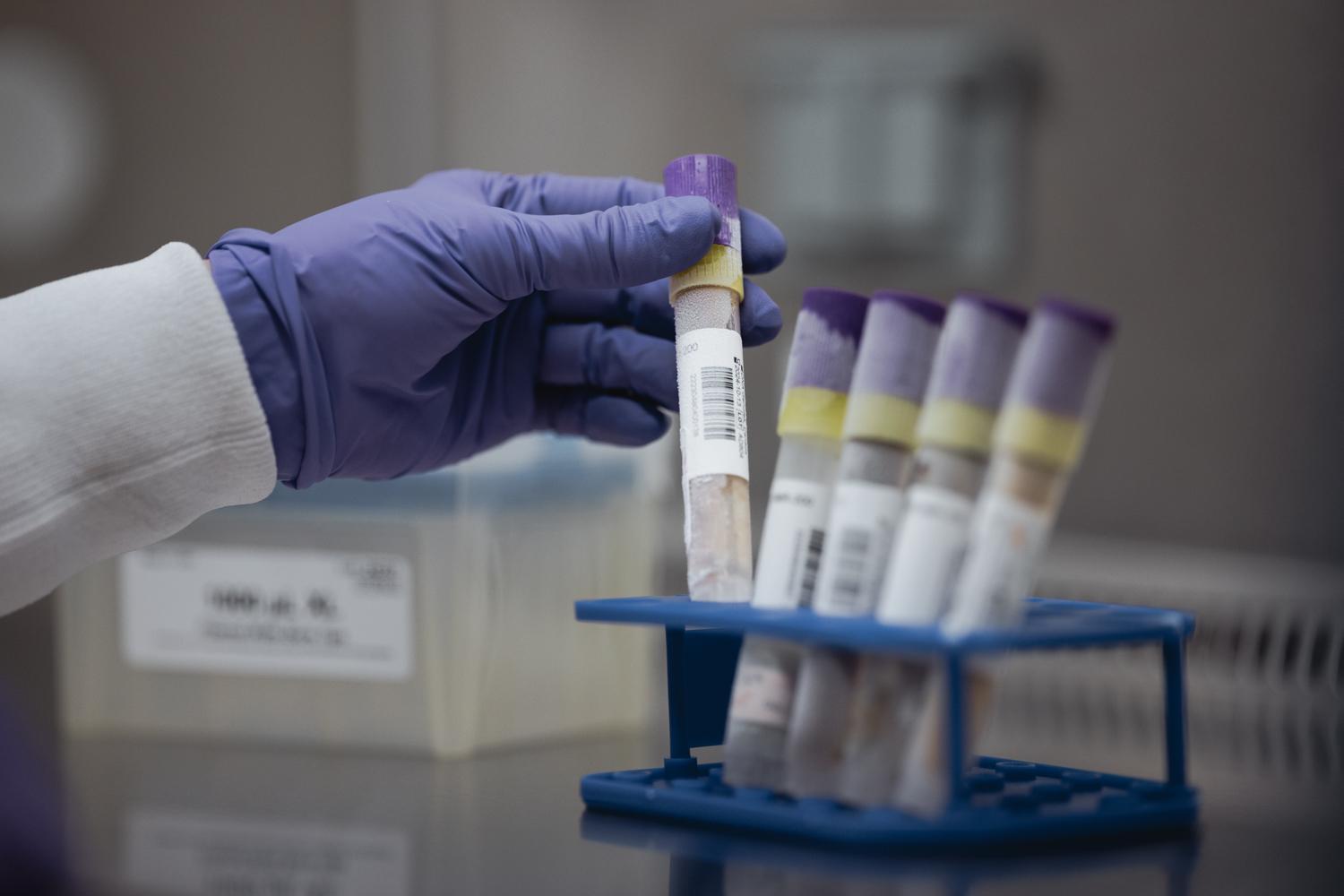
A Gut Microbiome Test Dubai can examine different types of microorganisms and microbial genetic material found in a stool sample. Understanding what these organisms are and how they differ can make your test results much easier to interpret.
So, what is the difference between gut bacteria and other microbes? And does finding a particular microorganism automatically mean something is wrong?
Let’s break down the science in simple terms.
What Is the Gut Microbiome?
The gut microbiome refers to the community of microorganisms living in the digestive tract, particularly the large intestine. These microorganisms include bacteria, fungi, viruses, archaea, and other microscopic life forms.
The term “microbiota” generally describes the organisms themselves, while “microbiome” can refer to the microorganisms and their collective genetic material. In everyday health discussions, however, the two terms are frequently used interchangeably.
A healthy intestinal environment contains a complex mixture of microbial species. Rather than acting independently, these organisms interact with one another and with the human body.
Some gut microbes help break down dietary components that human digestive enzymes cannot fully process. Others produce substances such as short-chain fatty acids, which are involved in communication between the gut and the rest of the body.
This is why researchers increasingly view the gut as an ecosystem rather than simply a digestive tube.
Bacteria Are Only One Part of the Microbial Community:
The biggest misconception about microbiome testing is that every microorganism detected is a bacterium.
In reality, your gut contains several major categories of microbes.
Bacteria:
Gut bacteria are the most extensively studied members of the intestinal microbiota. They include thousands of different species and strains with different characteristics and functions.
Some bacteria can contribute to the production of beneficial metabolites, support the breakdown of certain carbohydrates, or interact with the intestinal immune system.
Other bacteria can become problematic when they are present in inappropriate locations, occur in unusually high amounts, or include disease-causing strains.
Importantly, bacteria should not simply be classified as “good” or “bad.” Their effects can depend on the species, strain, abundance, surrounding microbial community, and condition of the host.
Fungi and Yeasts:
Fungi are another component of the gut microbiome. Yeasts are a type of fungus, and species from the genus Candida are commonly discussed in relation to the human gastrointestinal tract.
The presence of a fungus in a stool sample does not automatically indicate a fungal infection. Some fungi can exist as part of the normal microbial community without causing disease.
The significance of a fungal finding depends on the organism, quantity, symptoms, medical history, and type of test used.
Viruses:
The gut also contains an enormous collection of viruses, collectively known as the gut virome.
Many intestinal viruses infect bacteria rather than human cells. These viruses are called bacteriophages, or simply phages. By infecting bacteria, phages can influence which bacterial populations thrive within the gut ecosystem.
Other viruses can interact directly with human cells and may be associated with illness.
Because viral communities are highly diverse and can change over time, researchers are still learning how the gut virome influences health.
Archaea:
Archaea are single-celled microorganisms that are distinct from bacteria, even though they can look similar under a microscope.
Some archaea found in the digestive tract participate in methane production. A commonly studied example is Methanobrevibacter smithii.
These organisms can influence the way microbial communities process certain compounds, particularly during fermentation in the intestine.
Their presence is not inherently a sign of disease. Instead, they represent another part of the complex gut ecosystem.
How Does a Gut Microbiome Test Detect These Microbes?
The technology behind a microbiome test matters because different testing methods can answer different questions.
Many modern microbiome tests use DNA sequencing. Rather than growing organisms in a laboratory, these tests analyze genetic material found in a stool sample.
One approach is 16S rRNA sequencing, which is primarily designed to identify bacteria and archaea. Because fungi and viruses are different types of organisms, other sequencing approaches are needed to investigate them more effectively.
Another method is shotgun metagenomic sequencing. This technique analyzes a broader collection of DNA in a sample and can provide information about a wider range of microorganisms and their potential genes.
Some tests also use targeted molecular methods, such as polymerase chain reaction, to look for particular organisms or pathogens.
This means two gut microbiome tests can produce different results even when they analyze samples from the same person.
Gut Microbiome Test Results: What Do They Actually Mean?
Receiving a report containing dozens or hundreds of microbial names can be overwhelming. However, a long list of detected organisms is not necessarily a measure of gut health.
A microbiome report may include information about:
-
Microbial composition
-
Relative abundance of selected organisms
-
Microbial diversity
-
Bacterial groups or species
-
Potentially pathogenic organisms
-
Microbial genes or metabolic pathways
-
Fungi, viruses, or archaea, depending on the testing method
One important concept is relative abundance. If a report says one bacterial group represents 20% of the detected bacterial DNA, that does not necessarily mean it makes up 20% of all microorganisms in your intestine.
The result reflects what the particular test detected and how its analysis was performed.
For this reason, microbiome test results should not be interpreted in isolation.
Diversity Is Not the Same as More Is Better:
You may see the term gut microbiome diversity on a microbiome report.
Microbial diversity generally describes how many different types of organisms are present and how evenly they are distributed. Greater diversity is often associated with a resilient microbial ecosystem, but diversity alone does not determine whether someone's gut is healthy.
A microbiome can contain many different organisms and still include potentially harmful microbes. Conversely, a person can have a microbiome with lower measured diversity without necessarily having a specific disease.
Diet, age, medications, geography, lifestyle, illness, and many other factors can influence microbial composition.
Therefore, a microbiome score should be viewed as one piece of information rather than a definitive health diagnosis.
Why Diet Can Change Your Gut Microbes?
The microorganisms in your digestive tract respond to their environment, and diet and gut health are closely connected.
Dietary fiber is particularly important because many intestinal bacteria can ferment different types of fiber. Foods such as vegetables, fruits, legumes, whole grains, nuts, and seeds can provide substrates that support microbial activity.
At the same time, dietary changes can alter the relative abundance of different microorganisms.
This does not mean there is one perfect “microbiome diet” suitable for everyone. Individual responses vary, and dietary recommendations should consider a person's nutritional needs, medical circumstances, and overall eating pattern.
Antibiotics and Other Factors Can Influence Microbiome Composition:
The gut microbiome is dynamic rather than fixed.
Antibiotics and the gut microbiome are particularly important because antibiotics can affect susceptible bacteria alongside the organisms responsible for an infection. The composition of the microbial community may change during and after treatment.
Other factors that can influence the gut microbiota include:
-
Age
-
Dietary patterns
-
Sleep
-
Physical activity
-
Stress
-
Travel
-
Illness
-
Medications
-
Gastrointestinal conditions
-
Lifestyle and environmental factors
Because microbial communities can fluctuate, a single microbiome test represents a snapshot rather than a permanent picture of your gut.
Can a Gut Microbiome Test Diagnose a Disease?
This is where caution is especially important.
A commercial microbiome test may provide interesting information about microbial composition, but detecting a microorganism does not automatically establish a diagnosis.
For example, identifying a particular bacterium or fungus does not necessarily mean that organism is causing symptoms. Clinical diagnosis usually requires consideration of symptoms, physical examination, medical history, conventional laboratory testing, and other appropriate investigations.
Similarly, an algorithm-generated “gut health score” should not automatically be treated as a medical diagnosis.
If you have persistent diarrhea, blood in the stool, unexplained weight loss, severe abdominal pain, fever, or other concerning symptoms, speak with a qualified healthcare professional rather than relying solely on a microbiome report.
The Bigger Picture: Your Gut Is an Ecosystem
The key difference between bacteria and other microbes is their biology, but their relationships may be even more important.
Bacteria, fungi, viruses, and archaea interact with one another in a constantly changing intestinal ecosystem. A bacteriophage may influence a bacterial population. Bacteria can produce metabolites that affect neighboring organisms. Diet can change the nutrients available to the entire community.
This interconnectedness is one reason microbiome science is so fascinating—and why interpreting a single microbial result can be more complicated than simply labeling an organism as beneficial or harmful.
What Should You Look For in a Gut Microbiome Test?
If you are considering microbiome testing, start by asking what the test actually measures.
Look at the testing method, organisms included, sample requirements, reporting approach, and whether the company clearly explains the limitations of its results.
A useful report should distinguish between microbiome profiling and tests designed to detect specific infectious pathogens. These are not necessarily the same thing.
It is also worth asking whether the test provides evidence-based interpretation rather than making broad claims based on limited microbial findings.
Final Takeaway:
A gut microbiome Lab tests can reveal fascinating information about the microorganisms present in your digestive tract, but bacteria are only one part of the picture.
Bacteria, fungi, viruses, and archaea have different biological characteristics and can interact with each other in complex ways. Modern DNA sequencing can identify many of these microbial signals, although the exact organisms detected depend on the testing technology.
Most importantly, a microorganism appearing on a report does not automatically mean it is harmful, while a high diversity score does not automatically prove that your gut is healthy.
The most useful way to understand microbiome testing is to think beyond individual microbes. Your gut contains a dynamic ecosystem shaped by diet, medications, lifestyle, environment, and your individual biology. A microbiome test can provide a snapshot of that ecosystem, but meaningful interpretation requires context.

 English
 French
 Spanish
 Portuguese
 Deutsch
 Turkish
 Dutch
Dutch
 Italiano
 Russian
 Romaian
 Portuguese (Brazil)
 Greek
Greek