


How Can You Pick Healthy Dog Teeth Chews for Your Pet?
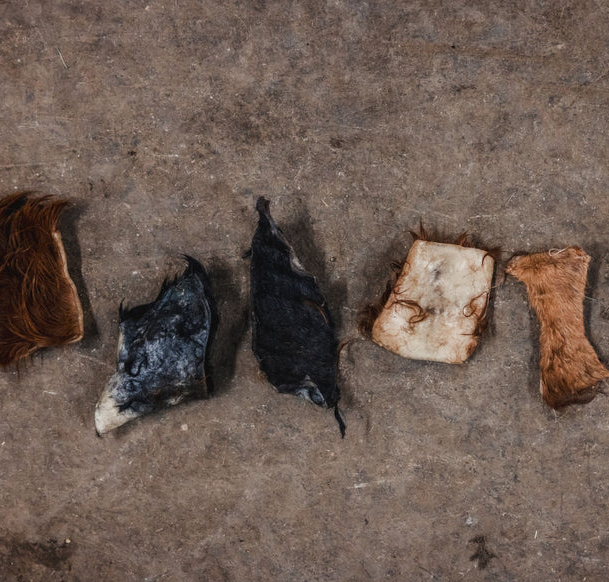
Dental care is an important part of maintaining a dog's overall well-being. Along with regular brushing and veterinary dental checkups, appropriate chewing products can provide enrichment and may help reduce food debris on the teeth. However, choosing a suitable chew requires more than selecting a product labelled as “dental.”
Every dog has different needs based on age, breed, size, chewing strength, and dietary requirements. Understanding these factors can help pet owners make more informed decisions and select a product that fits their dog's routine.
How Do Healthy Dog Teeth Chews Support Dental Care?
Healthy dog teeth chews can encourage natural chewing while providing mechanical action against the teeth. As dogs chew, the texture of an appropriate product may help loosen some food particles and surface buildup.
However, dental chews should complement—not replace—regular tooth brushing and professional veterinary care. A good oral health routine also includes monitoring the gums, teeth, and breath for changes.
When selecting healthy dog teeth chews, consider the product's ingredients, texture, size, durability, and suitability for your individual pet.
1. Check the Ingredients
Start by reading the ingredient label. Products with simple, clearly identified ingredients can make it easier to understand what you are giving your dog.
Look for:
- Clearly listed ingredients
- Quality protein sources
- Minimal unnecessary additives
- Appropriate nutritional information
- Clear feeding guidelines
Dogs with known food sensitivities may need products that avoid specific ingredients. If your dog follows a veterinary-prescribed diet, check with your veterinarian before introducing a new chew.
2. Choose the Right Size
The size of a dental chew matters for both safety and usability.
A product that is too small may be swallowed quickly, while an oversized chew may be difficult for a small dog to handle.
Consider your dog's:
- Breed
- Weight
- Mouth size
- Age
- Jaw strength
- Chewing style
Always follow the manufacturer's recommended size range. If the chew becomes small enough to swallow, remove it immediately.
3. Consider Your Dog's Chewing Style
Not every dog chews in the same way. Some dogs gently nibble treats, while others are powerful chewers that break products apart quickly.
For stronger chewers, select an appropriately durable product and supervise every session. Dogs that swallow pieces quickly may require a different type of chew or additional veterinary guidance.
Observing how your dog interacts with a chew is one of the best ways to determine whether it is suitable.
4. Pay Attention to Texture
Texture can affect how a chew interacts with the teeth.
Some dental products feature ridges, grooves, or firm surfaces designed to encourage chewing. These textures may provide additional contact with the teeth compared with very soft treats.
However, extremely hard products may not be appropriate for every dog. Dogs with dental problems, broken teeth, or sensitive mouths may require alternative options.
If your dog already has dental concerns, consult your veterinarian before introducing a particularly hard chew.
5. Consider Your Dog's Age
Age is another important consideration.
Puppies
Puppies have developing teeth and should receive age-appropriate products designed for their stage of growth. Hard chews that are unsuitable for developing teeth should be avoided.
Adult Dogs
Healthy adult dogs often have a broader range of chewing options, but the product should still match their size and chewing strength.
Senior Dogs
Older dogs may experience dental sensitivity or weakened teeth. A veterinarian can help determine which textures and products are appropriate.
6. Look for Simple, Quality Options
Many pet owners prefer natural chewing products with straightforward ingredient lists. Choosing minimally processed options can make it easier to understand what your dog is consuming.
Before purchasing, review the packaging for ingredient information, feeding instructions, storage recommendations, and size guidance.
A product's appearance or marketing claims should not be the only factors influencing your decision.
7. Always Supervise Chewing
Even appropriately selected chews should be offered under supervision.
During chewing sessions:
- Stay nearby and monitor your dog.
- Check the chew for damage.
- Remove small pieces.
- Replace heavily worn products.
- Provide fresh drinking water.
- Follow feeding recommendations.
Supervision is especially important for puppies, aggressive chewers, and dogs that tend to swallow treats quickly.
8. Remember That Dental Chews Are Not a Replacement for Brushing
Dental chews can complement an oral hygiene routine, but brushing remains an important way to manage plaque.
A complete dental care routine may include:
- Regular tooth brushing
- Appropriate dental chews
- Veterinary dental examinations
- Balanced nutrition
- Fresh water
- Regular monitoring of teeth and gums
If you notice persistent bad breath, swollen gums, bleeding, loose teeth, or difficulty eating, seek veterinary advice.
Conclusion
Selecting healthy dog teeth chews involves considering ingredients, size, texture, durability, age, and chewing habits rather than relying on a product label alone. The right chew can encourage natural chewing and complement a broader dental care routine. Freeze-dried beef liver can also serve as a nutrient-rich occasional reward, but it should not be confused with a dental chew. Careful selection, moderation, and supervision help create a safer and more enjoyable experience for your pet. Ugly Chews offers natural chewing options made with carefully selected ingredients for dogs that enjoy satisfying chew sessions.
Frequently Asked Questions
1. What are healthy dog teeth chews?
Healthy dog teeth chews are appropriately sized chewing products that encourage natural chewing and may help remove some food debris from the teeth.
2. How do I choose the right dental chew size?
Choose a product recommended for your dog's size, weight, and chewing strength. Avoid chews that are small enough to be swallowed whole.
3. Are healthy dog teeth chews suitable for puppies?
Some are, but puppies should receive products specifically designed for their age and developing teeth.
4. Are freeze dried beef liver treats good for dogs?
Yes, freeze-dried beef liver can be a nutritious occasional treat for many healthy dogs, but it should be offered in moderation because liver is nutrient-dense.
5. Can dental chews replace brushing?
No. Dental chews can complement oral care but should not replace regular tooth brushing or professional veterinary dental examinations.

 English
 Arabic
 French
 Spanish
 Portuguese
 Turkish
 Dutch
Dutch
 Italiano
 Russian
 Romaian
 Portuguese (Brazil)
 Greek
Greek