


Can Laser Hair Removal Treat Bikini Hair?
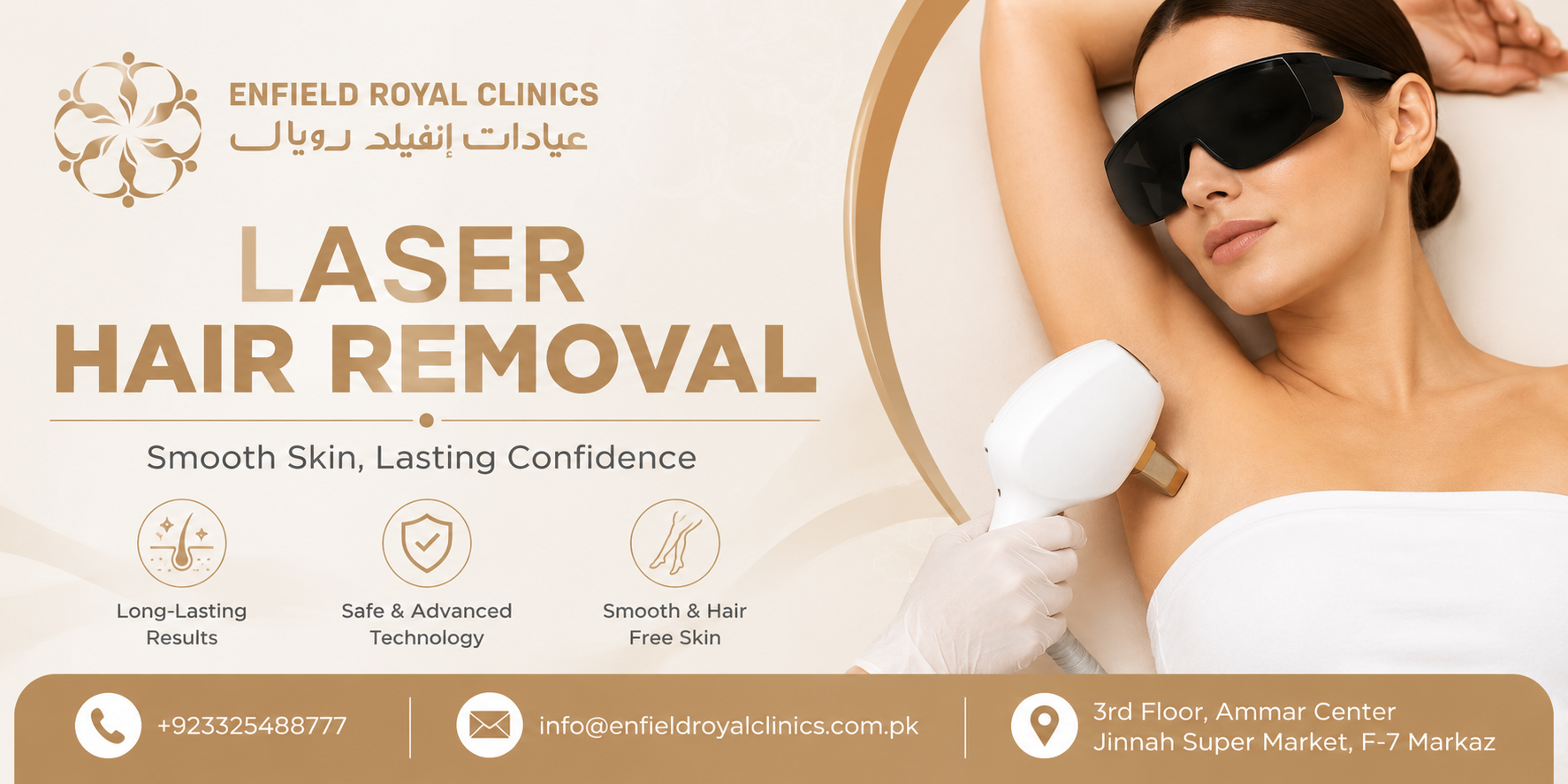
Laser Hair Removal can be used to reduce unwanted hair around the bikini area and may offer a longer-lasting alternative to repeated shaving, waxing, or trimming. The bikini region is a common treatment area because frequent hair removal can sometimes lead to razor bumps, irritation, ingrown hairs, and ongoing maintenance.
Laser treatment works differently from temporary hair-removal methods. Instead of simply cutting or pulling out the visible hair, it targets pigment within the hair follicle with controlled light energy. Over a series of treatments, the follicle can become less active, resulting in slower growth and lower hair density.
How Does Laser Treatment Work on Bikini Hair?
During treatment, a laser device delivers carefully controlled pulses of light to the selected area. Pigment in the hair absorbs the energy, which is converted into heat and directed toward the follicle.
The objective is to weaken the follicle and reduce its ability to produce new hair. Because hair follicles grow through different stages, not every follicle responds during one appointment.
This is why several sessions are generally required. With repeated treatments, more follicles can be targeted when they become active and responsive.
Which Bikini Areas Can Be Treated?
The exact treatment area depends on the patient's preference and the services offered by the clinic. Treatment may focus on the outer bikini line or include a broader area according to the agreed treatment plan.
The provider should explain exactly which areas will be treated before beginning the procedure. Sensitive regions require careful technique, and laser energy should never be used on areas where treatment is not considered appropriate.
A consultation is useful for establishing clear boundaries and discussing your desired level of hair reduction.
Why Do People Choose This Treatment?
One major reason people consider treatment is the inconvenience of frequent shaving or waxing. Bikini hair can grow quickly, meaning smoothness may require constant maintenance.
Repeated shaving can also cause irritation, razor bumps, or cuts. Waxing can produce temporary redness and may be uncomfortable, particularly for sensitive skin.
By reducing future hair growth, laser treatment may decrease the need for frequent grooming. Some people also experience fewer ingrown hairs as the amount of regrowing hair decreases.
Is It Effective for Coarse Bikini Hair?
Coarse, dark bikini hair can often respond well because it contains a relatively high amount of pigment. The laser can use this pigment as a target for delivering energy toward the follicle.
Patients may gradually notice that the hair becomes finer and less dense after several sessions. Growth can also become slower, making routine maintenance easier.
However, the response varies according to individual hair characteristics. Very fine or lightly colored hair may not respond as effectively because there is less pigment available for many laser systems to target.
How Many Sessions Are Needed?
There is no single number of sessions that applies to everyone. Hair follicles grow at different rates and enter their active growth phase at different times.
Multiple appointments are therefore needed to treat follicles that were not responsive during earlier sessions. The number of treatments depends on hair thickness, density, skin tone, hormonal influences, and individual response.
Your practitioner can recommend an appropriate schedule after assessing the bikini area and observing how your hair responds during the treatment course.
Is Bikini Laser Treatment Painful?
The bikini area can be more sensitive than some other body regions, so the treatment may produce a stronger sensation for some people. Common descriptions include brief warmth, snapping, pinching, or tiny pulses.
Modern laser systems may use cooling technology to help protect the skin and improve comfort during treatment.
The experience varies from person to person. Hair thickness, density, personal sensitivity, and the type of laser being used can all influence discomfort.
If the treatment feels unusually painful, tell your practitioner so the settings and cooling approach can be reassessed.
What Should You Do Before Treatment?
Preparation can help reduce irritation and support safer treatment. Waxing, tweezing, and plucking are generally avoided before laser treatment because these methods remove the hair from the root.
Shaving is often recommended instead because it leaves the follicle intact while reducing the visible hair above the skin. Your clinic can tell you when to shave based on its treatment protocol.
Avoid excessive sun exposure and tanning before treatment. Recently tanned skin may be more sensitive and may require treatment to be postponed.
You should also tell your provider about medications, skincare products, recent cosmetic treatments, or previous skin reactions.
What Happens Immediately After a Session?
After treatment, the bikini area may look slightly red or feel warm. Mild swelling around individual follicles can also occur.
These effects are usually temporary, but the skin should be handled gently. Avoid unnecessary rubbing, scratching, or aggressive exfoliation immediately after treatment.
Your practitioner may recommend specific soothing products or other aftercare measures. Follow those instructions carefully, particularly if you have sensitive skin.
How Should You Care for the Area After Treatment?
Gentle care is important while the treated skin settles. Avoid activities that create excessive friction or heat when advised by your provider.
Wear comfortable clothing that does not rub tightly against the area. Avoid picking at the skin or attempting to force out hairs.
If the area is exposed to sunlight, use appropriate protection according to your practitioner's advice. Although the bikini area is usually covered, sun protection can still matter during activities such as swimming or outdoor recreation.
Can It Reduce Ingrown Hairs?
Laser treatment may help people who frequently develop ingrown hairs after shaving or waxing. As the treatment reduces the amount and thickness of hair being produced, there may be fewer hairs available to curl back into the skin.
This can be particularly helpful for people with coarse or curly hair. However, laser treatment is not an immediate cure for an existing ingrown hair.
If an ingrown hair is painful, infected, or severely inflamed, it should be professionally assessed before treatment continues in that area.
Is It Safe for All Skin Tones?
Treatment can be performed on many different skin tones, but the laser and settings need to be selected carefully. Darker skin contains more melanin, which can absorb laser energy in addition to the pigment in the hair.
Using appropriate technology and carefully adjusted settings can help reduce the risk of unwanted skin reactions. Some wavelengths are commonly selected for darker complexions because they can provide a better balance between follicle targeting and skin protection.
A qualified professional should assess the skin before treatment.
Can Hormones Affect Bikini Hair Growth?
Hormonal factors can influence hair growth throughout the body, including the bikini region. Hormonal changes may activate follicles that were previously less noticeable.
This means that even after successful treatment, some new growth may appear later. Occasional maintenance sessions may therefore be useful.
If hair growth changes suddenly or becomes unusually excessive, discussing the change with an appropriate healthcare professional can help identify whether an underlying hormonal issue should be considered.
How Long Do Results Last?
Results can be long-lasting, but treatment should be viewed as a method of long-term hair reduction rather than a guarantee that every follicle will stop producing hair permanently.
After completing a suitable treatment course, many people experience less hair, slower growth, and finer regrowth. The duration and level of reduction vary according to individual biology, hair characteristics, and hormonal factors.
Some people require occasional maintenance sessions to manage future regrowth.
Can Men and Women Have Bikini Treatment?
Yes. Both men and women may choose laser treatment for unwanted hair around the bikini region. The treatment plan can be customized according to the individual's preferred treatment area and desired level of reduction.
The same basic principles apply regardless of gender: suitable skin and hair assessment, appropriate technology, careful settings, and consistent treatment sessions are important.
Final Thoughts
Laser Hair Removal can be an effective option for reducing unwanted bikini hair and may make grooming easier over the long term. It targets the hair follicle rather than simply removing visible hair, which can lead to slower growth, finer regrowth, and reduced density after multiple sessions.
The bikini area can be sensitive, so professional technique and suitable laser settings are important. Proper preparation and aftercare can also improve comfort and help protect the treated skin.
A consultation with a qualified practitioner can determine whether the treatment is suitable for your skin and hair type and provide a personalized plan based on your desired results.
For more information visit Enfield royal clinic in islamabad

 English
 Arabic
 French
 Spanish
 Portuguese
 Deutsch
 Turkish
 Dutch
Dutch
 Italiano
 Russian
 Romaian
 Portuguese (Brazil)