


Mixed Emotion Sizing Guide How Every Piece Should Fit
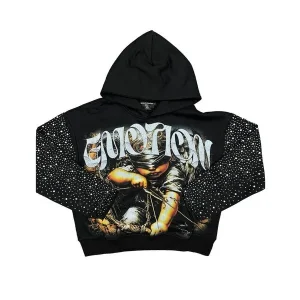
Finding the right clothing size can make a huge difference in how an outfit looks and feels. With Mixed Emotion the goal is not simply to choose a size based on a label. The right fit depends on the garment, your body measurements, the intended style, and how you want the piece to look when worn.
This Mixed Emotion Sizing Guide explains how different clothing pieces should fit, what measurements to check, and how to choose between sizes when you are unsure.
Why the Right Fit Matters
A well-fitting garment should feel comfortable while maintaining its intended shape. Clothing that is too small can restrict movement, pull across the chest, shoulders, or waist, while clothing that is too large can lose its structure and appear untidy.
Mixed Emotion pieces may also be designed with different silhouettes. A hoodie may have an intentionally relaxed shape, while a T-shirt could have a more balanced everyday fit. Because of this, your usual size may not produce the same appearance across every category.
Before ordering, take a few basic measurements and compare them with the applicable size information.
How to Measure Yourself
For the most accurate results, use a flexible measuring tape and keep it comfortably against your body without pulling it too tightly.
Chest
Measure around the fullest part of your chest while keeping the tape level across your back. Keep your arms relaxed for a more accurate measurement.
Waist
Measure around your natural waist. Avoid pulling your stomach in, as this can result in choosing a size that feels too tight.
Shoulders
Measure across the back from one shoulder point to the other. This measurement is particularly useful when choosing jackets, hoodies, and structured outerwear.
Sleeve Length
Measure from the shoulder point down to where you want the sleeve to finish. Your preferred sleeve length can vary depending on whether you want a classic or oversized appearance.
Garment Length
For tops, consider where you want the hem to sit. A longer body creates a relaxed appearance, while a shorter length can produce a cleaner, more contemporary silhouette.
How a Mixed Emotion T-Shirt Should Fit
A T-shirt should generally provide enough room across the chest and shoulders without excessive fabric hanging around the body.
For a regular fit, the shoulder seam should sit close to your natural shoulder point. The chest should have enough space to allow comfortable movement, and the hem should typically fall around the hip area.
If you prefer a relaxed streetwear appearance, sizing up can create additional room through the chest and body. However, going up a size will also increase the sleeve length and overall garment length.
The best T-shirt fit should allow you to raise your arms, sit, and move naturally without the fabric pulling noticeably across your chest or back.
How a Hoodie Should Fit
Hoodies are often worn with more room than basic T-shirts. A properly fitted hoodie should allow space for comfortable movement and, if desired, a lightweight layer underneath.
Pay particular attention to the shoulders and sleeves. The shoulder seam can sit slightly lower for a relaxed or oversized appearance, but excessive drop may make the hoodie look much larger than intended.
The cuffs should sit comfortably around your wrists without feeling restrictive. The waistband should rest naturally around your hips rather than riding upward every time you move.
For a classic appearance, choose your regular size. If you want a noticeably oversized look, consider sizing up after checking the garment's measurements.
How Sweatshirts Should Fit
Sweatshirts typically have a slightly relaxed structure, but the ideal fit depends on the design.
The shoulder area should provide enough room without excessive bunching. The chest should feel comfortable, while the hem should remain in place when you move.
If you plan to layer a T-shirt underneath, allow enough room for both garments. A sweatshirt that fits perfectly over bare skin may feel restrictive when layered.
Sleeve cuffs should remain around the wrist, and the body should provide enough length to cover the waistband of your pants without appearing excessively long.
How Jackets and Outerwear Should Fit
Outerwear requires additional consideration because it is usually worn over other clothing.
A jacket should provide enough room through the shoulders and chest for a shirt or sweatshirt underneath. When zipped or buttoned, the front should close comfortably without creating excessive pulling.
The shoulder seam should generally sit near the shoulder unless the design is intentionally oversized. Sleeves should reach approximately to the wrist, with some additional coverage depending on the jacket style.
Try moving your arms forward and upward. If the jacket pulls heavily across the back or shoulders, you may need a larger size.
How Pants Should Fit
Pants should feel secure around the waist without requiring constant adjustment. You should be able to sit and move comfortably without excessive pressure around the waistband.
The fit through the thigh depends on the style. Slim pants will naturally sit closer to the legs, while relaxed or wide-leg designs provide more room.
Pay attention to the length as well. The appropriate amount of fabric at the ankle depends on the intended style. Some pants are designed to stack slightly, while others are intended to finish closer to the shoe.
Avoid choosing a smaller size simply because you prefer a slimmer appearance. A properly fitted pair should maintain its intended shape without pulling excessively around the hips or thighs.
Choosing Between Two Sizes
Sometimes your measurements fall between two available sizes. In that situation, think about how you want the garment to fit.
Choose the smaller size when you prefer a closer fit and your measurements are comfortably within that size's range.
Choose the larger size when you prefer additional room, plan to layer underneath, or want a relaxed appearance.
For hoodies, sweatshirts, and jackets, sizing up is often more practical if you are between sizes because additional room can improve comfort. For fitted tops, your chest and shoulder measurements should receive greater attention.
Regular Fit vs. Oversized Fit
Understanding the difference between regular and oversized styling is essential.
A regular fit follows the body's general proportions without being tight. Shoulder seams sit closer to the natural shoulder, sleeves have moderate width, and the body provides comfortable space.
An oversized fit intentionally adds extra volume. The shoulders may drop lower, sleeves may become longer, and the body may have additional width.
Oversized does not simply mean wearing several sizes too large. A garment designed for an oversized silhouette distributes its proportions differently. If you want this appearance, check the actual garment dimensions rather than automatically selecting multiple sizes above your normal size.
Common Sizing Mistakes
One of the biggest mistakes is relying entirely on your usual size. Clothing measurements can vary between designs, so your usual size should be a starting point rather than the final decision.
Another common mistake is ignoring garment length. Two shirts can have similar chest measurements but very different body lengths.
It is also important not to measure over bulky clothing. Heavy layers can add unnecessary inches and lead to selecting a size that is too large.
Finally, avoid choosing a size based solely on how it looks on a model. Models have different body proportions, so your own measurements provide a much more reliable reference.
Final Thoughts
Choosing the right Mixed Emotion size is about more than reading an S, M, L, or XL label. The best fit combines your body measurements with the garment's construction and your preferred style.
T-shirts generally work best with comfortable chest and shoulder room, hoodies can allow additional space, jackets need enough room for layering, and pants should provide comfortable movement without excessive tightness.
Before purchasing, measure your chest, waist, shoulders, and preferred garment length. Then compare those measurements with the relevant sizing information. If you are between sizes, consider whether you want .

 English
 Arabic
 French
 Spanish
 Portuguese
 Deutsch
 Turkish
 Dutch
Dutch
 Italiano
 Russian
 Romaian
 Portuguese (Brazil)