


Influencer Marketing for Brands: A Smart Strategy to Build Trust
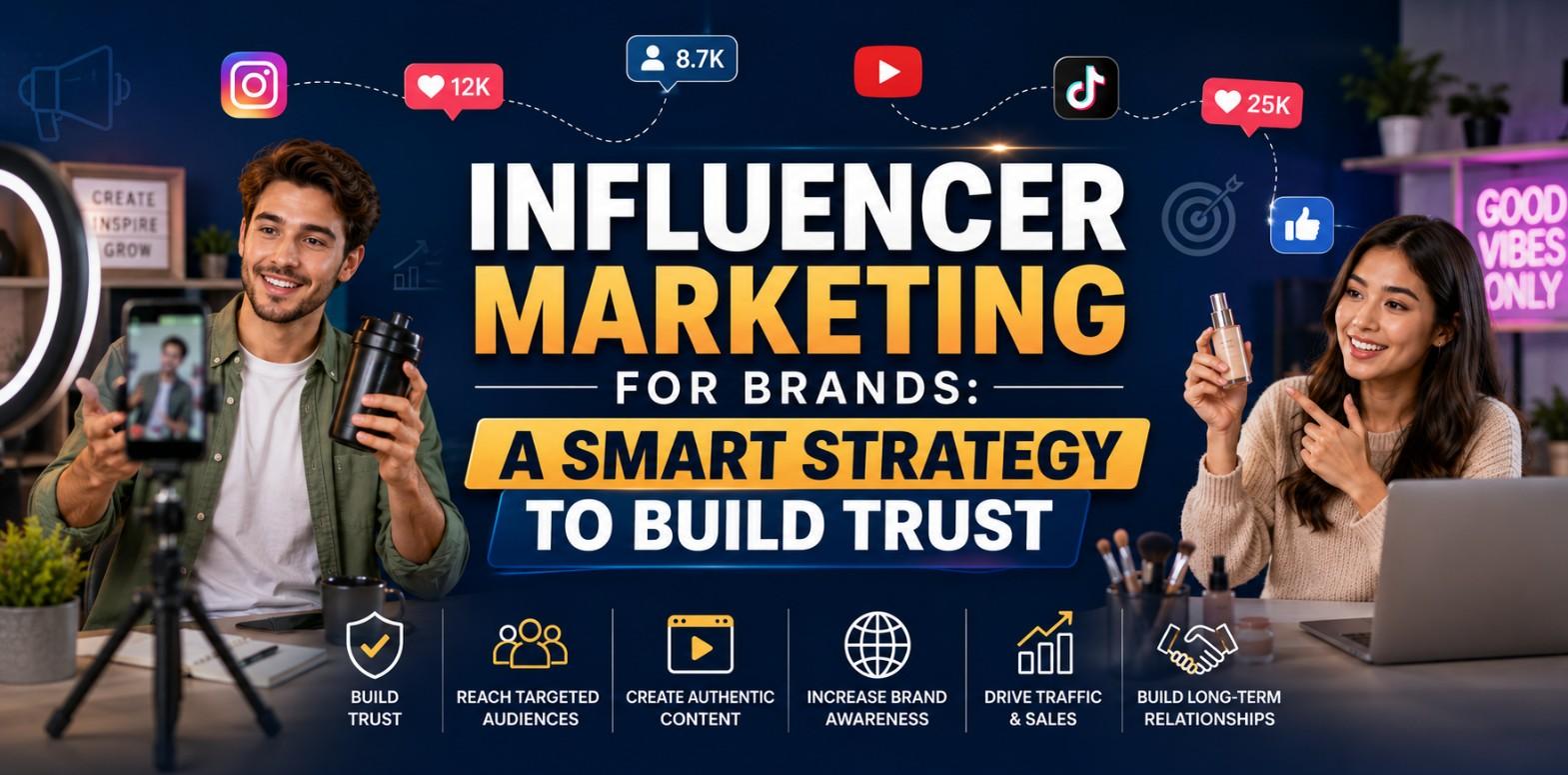
The way people discover products and make buying decisions has changed dramatically over the past few years. Traditional advertising still has its place, but consumers now rely more on recommendations from people they trust. This shift has made influencer marketing for brands one of the most effective digital marketing strategies for businesses of all sizes.
Influencer marketing allows brands to connect with their target audience through creators who have built loyal communities on social media platforms. Instead of relying solely on promotional messages, businesses can share authentic stories through trusted voices, making their marketing efforts more relatable and engaging.
Whether you are a startup looking to increase brand awareness or an established company aiming to strengthen customer relationships, influencer marketing offers valuable opportunities for sustainable business growth.
What Is Influencer Marketing?
Influencer marketing is a partnership between a brand and an individual who has established credibility and influence within a specific niche. These influencers create content that introduces products or services to their followers in a natural and engaging way.
Unlike traditional advertisements, influencer content often feels more personal because it is presented through real experiences, demonstrations, reviews, or storytelling. This authenticity helps build trust and encourages audiences to take action.
Influencers can be found across various platforms, including Instagram, YouTube, TikTok, Facebook, LinkedIn, and even personal blogs. Each platform offers unique opportunities depending on the goals of the campaign.
Why Influencer Marketing Matters for Brands
Modern consumers value recommendations from people they follow online. They often view influencers as trusted sources of information, making their opinions more impactful than conventional advertising.
Here are a few reasons why influencer marketing has become an essential strategy for brands:
-
Builds credibility and consumer trust.
-
Expands brand visibility to highly targeted audiences.
-
Creates engaging and authentic content.
-
Increases website traffic and product awareness.
-
Supports lead generation and sales growth.
-
Strengthens customer relationships through genuine communication.
When executed correctly, influencer marketing creates a win for both brands and consumers by delivering valuable content instead of interruptive advertisements.
Choosing the Right Influencers
One of the biggest factors that determine campaign success is selecting the right influencer. A large follower count may seem attractive, but audience relevance and engagement are often far more important.
Brands should evaluate influencers based on:
-
Audience demographics
-
Engagement rate
-
Content quality
-
Brand alignment
-
Authenticity
-
Previous collaborations
Micro influencers often have smaller but highly engaged communities. Their followers tend to trust their recommendations, making them an excellent choice for brands seeking meaningful interactions.
Setting Clear Campaign Goals
Every successful influencer campaign begins with clear objectives. Without defined goals, measuring success becomes difficult.
Common campaign goals include:
-
Increasing brand awareness
-
Driving website traffic
-
Promoting a product launch
-
Generating sales
-
Growing social media followers
-
Building customer trust
Once the objectives are established, brands can choose suitable influencers and create content that aligns with those goals.
Creating Authentic Collaborations
Consumers can easily recognize content that feels overly promotional. Authenticity is one of the greatest strengths of influencer marketing, so brands should give creators enough creative freedom to communicate naturally with their audience.
Instead of providing rigid scripts, businesses should focus on sharing key messaging while allowing influencers to present the information in their own style.
Authentic collaborations often include:
-
Product reviews
-
Tutorials
-
Behind the scenes experiences
-
Personal stories
-
Lifestyle content
-
Honest recommendations
This approach helps create content that feels genuine while maintaining brand consistency.
Measuring Campaign Performance
Tracking results is essential for understanding whether an influencer marketing campaign delivers value.
Some important performance indicators include:
-
Reach
-
Engagement
-
Website visits
-
Conversion rate
-
Sales generated
-
Return on investment
Brands should also monitor audience feedback, comments, and overall sentiment to understand how customers perceive the campaign.
Consistent analysis allows businesses to refine future campaigns and improve long term performance.
Common Mistakes to Avoid
While influencer marketing can produce outstanding results, certain mistakes can reduce its effectiveness.
Avoid partnering with influencers solely based on follower count. Relevance always matters more than popularity.
Do not ignore audience engagement. A highly engaged community often delivers better outcomes than a large inactive audience.
Avoid unrealistic expectations. Building trust and brand recognition takes time, especially when developing long term partnerships.
Finally, ensure every collaboration remains transparent and authentic. Honest communication helps protect both the influencer's reputation and the brand's credibility.
Future of Influencer Marketing
Influencer marketing continues to evolve as consumer behavior changes and new social media platforms emerge.
Brands are increasingly investing in long term partnerships instead of one time promotions. These ongoing collaborations create stronger relationships with audiences and improve brand loyalty over time.
Video content, live streaming, and community driven content are also becoming more influential in shaping purchasing decisions. Businesses that adapt to these trends will remain competitive in the digital marketplace.
Artificial intelligence and data driven campaign analysis are also helping brands identify ideal influencers, predict campaign performance, and optimize marketing strategies more effectively.
Conclusion
Influencer marketing has become much more than a marketing trend. It is now an essential component of modern digital marketing strategies for brands seeking authentic connections with their audience.
By choosing the right influencers, setting clear objectives, encouraging genuine content creation, and measuring campaign performance, businesses can build trust, expand their reach, and achieve sustainable growth.
As digital platforms continue to evolve, brands that invest in meaningful influencer partnerships will be better positioned to stay relevant, strengthen customer relationships, and achieve lasting success in an increasingly competitive market.
Frequently Asked Questions
1. What is influencer marketing for brands?
Influencer marketing is a strategy where businesses collaborate with social media creators or industry experts to promote products or services to their engaged audiences in an authentic and trustworthy way.
2. Is influencer marketing suitable for small businesses?
Yes. Small businesses can benefit significantly by partnering with micro influencers who have loyal followers within specific niches, often at a lower cost than large influencers.
3. How do brands measure the success of influencer marketing?
Success can be measured using metrics such as engagement rate, website traffic, conversions, sales, brand awareness, and return on investment.
4. Which social media platform is best for influencer marketing?
The ideal platform depends on the target audience and business goals. Instagram, TikTok, YouTube, LinkedIn, and Facebook are among the most popular choices for influencer marketing campaigns.

 English
 Arabic
 French
 Portuguese
 Deutsch
 Turkish
 Dutch
Dutch
 Italiano
 Russian
 Romaian
 Portuguese (Brazil)
 Greek
Greek