


How Can vacuumpumpfactory Digital Manifold Gauge Set Support HVAC Work?
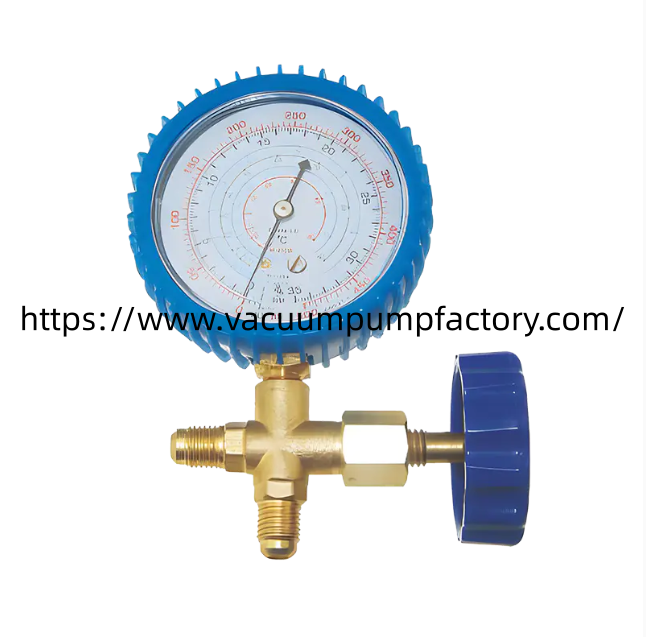
Digital Manifold Gauge Set selection should begin with the HVAC systems you actually service, rather than simply choosing equipment based on the number of functions listed on the package. Technicians may need to check pressure, temperature, superheat, subcooling, and vacuum conditions during different service tasks. Refrigerant compatibility, measurement range, connection options, display readability, battery requirements, and working conditions can all affect whether a gauge fits a particular workflow. Taking time to review these details can help contractors and distributors make a practical purchasing decision.
Start With Refrigerant Compatibility
Refrigerant compatibility is one of the first specifications worth checking.
HVAC and refrigeration systems can use different refrigerants, so technicians should confirm that the instrument supports the refrigerants encountered in their regular work. This becomes particularly relevant for contractors who service several types of air conditioning and refrigeration equipment.
A refrigerant database can also be useful when saturation temperature information is needed for superheat or subcooling calculations.
Before purchasing, check the manufacturer's specifications rather than assuming that every digital instrument supports the same refrigerants.
Check the Pressure Range
The pressure range should correspond with the systems being serviced.
Residential air conditioning, commercial refrigeration, heat pumps, and other applications can operate under different pressure conditions. The selected instrument should provide a measurement range appropriate for the intended equipment.
It is also useful to review the stated resolution and accuracy specifications.
These details can help technicians determine whether a particular configuration fits routine maintenance, commissioning, troubleshooting, or other service tasks.
What Temperature Measurements Are Available?
Pressure readings are only one part of HVAC diagnostics.
Temperature measurements can help technicians evaluate operating conditions and calculate values such as superheat and subcooling. Depending on the application, temperature clamps or probes may be positioned at different points in the system.
When comparing products, check how many temperature inputs are available and what type of sensors are included.
The temperature range of the probes should also correspond with the systems being serviced. Replacement sensor availability can be another useful consideration for long-term equipment use.
Does the Gauge Support Superheat and Subcooling Calculations?
Manual calculations can add steps to field service work.
Some digital instruments can calculate superheat and subcooling after collecting pressure and temperature information. This can make measurement results easier to review and reduce the need for separate calculations.
Technicians should still understand how these values relate to the specific system being serviced.
A measurement instrument supports the diagnostic process, while proper interpretation depends on system conditions, equipment specifications, and technician experience.
Look at the Connection Configuration
Connection compatibility is another practical consideration.
Before purchasing, check hose connections, service ports, valve arrangements, and included adapters. The instrument should work with the service hoses and HVAC equipment commonly used by the technician.
For contractors who work across different applications, suitable connection options can make the equipment easier to integrate into an existing service kit.
Product specifications should clearly identify connection sizes and included accessories so buyers can compare configurations before ordering.
Is the Display Easy to Read?
HVAC technicians may work in service vehicles, mechanical rooms, rooftops, workshops, and other locations with different lighting conditions.
Display size, backlighting, screen layout, and readability can therefore influence everyday operation.
A clear screen can help technicians distinguish pressure, temperature, and calculated values while working around equipment.
The control layout is also worth checking. Buttons and functions should be convenient to operate during routine service, including situations where technicians may be wearing work gloves.
Should You Consider Data Functions?
Some digital instruments include data recording, wireless communication, or mobile connectivity.
These functions can be useful when technicians need to document readings, monitor system conditions, or maintain service records.
However, advanced connectivity is not necessary for every application.
A contractor should consider which functions will actually be used. Focusing on practical requirements can make the purchasing process clearer and prevent unnecessary features from becoming the main selection factor.
Check Battery Requirements
Digital measurement equipment relies on a power source, so battery requirements should not be overlooked.
Review the battery type, charging method, operating time, and replacement options. For technicians who spend significant time away from the workshop, convenient power management can be useful.
A low-battery indicator can also help technicians avoid discovering a power issue in the middle of a service call.
Simple preparation, such as checking the battery before leaving the workshop, can make field work more organized.
Consider the Working Environment
HVAC service equipment can encounter dust, moisture, temperature changes, vibration, and accidental impacts.
Buyers should review the manufacturer's environmental and protection specifications before selecting equipment for demanding field conditions.
A protective case can also help keep the gauge, hoses, sensors, and accessories organized between jobs.
The intended environment should be evaluated alongside technical specifications rather than considered separately.
Think About the Complete Service Workflow
A digital gauge is normally one component of a larger HVAC service setup.
Depending on the task, technicians may also use vacuum pumps, recovery equipment, temperature probes, leak detection equipment, tubing preparation tools, and other accessories.
At vacuumpumpfactory, customers can review HVAC-related equipment according to their application requirements and discuss specifications with a manufacturer.
Looking at the complete workflow can make equipment selection more practical. Instead of focusing only on the number of functions, consider which measurements are actually needed during installation, commissioning, troubleshooting, and maintenance.
Check the Product Accessories
Included accessories can affect how conveniently the instrument can be used.
Review whether the package includes hoses, temperature clamps, adapters, sensors, batteries, a protective case, or other components required for normal operation.
If important accessories need to be purchased separately, the total equipment cost and preparation requirements may change.
For distributors, accessory configuration can also be important when comparing different product packages for customers.
Consider Future Service Requirements
The equipment used today may need to support different HVAC systems in the future.
Contractors may encounter new refrigerants, additional system types, or different service requirements as their customer base changes.
For this reason, buyers can consider whether the instrument has a suitable refrigerant database, expandable functions, replacement accessories, and configuration options that align with their expected applications.
The goal is not to purchase unnecessary functions, but to select equipment with capabilities that make sense for realistic future work.
A Practical Buying Checklist
Before placing an order, buyers can review these points:
Supported refrigerants
Pressure range
Temperature range
Measurement resolution
Superheat calculation
Subcooling calculation
Vacuum measurement
Hose connections
Temperature probes
Display readability
Battery requirements
Data recording
Wireless functions
Protective case
Replacement accessories
Intended HVAC applications
This checklist gives contractors, technicians, distributors, and equipment buyers a straightforward way to compare different configurations according to actual working conditions.
The right selection is not simply about adding more functions. It is about matching measurement capabilities with the systems being serviced and the workflow used by the technician.
For HVAC professionals looking for digital measurement equipment and related service tools, https://www.vacuumpumpfactory.com/

 English
 Arabic
 Spanish
 Portuguese
 Deutsch
 Turkish
 Dutch
Dutch
 Italiano
 Russian
 Romaian
 Portuguese (Brazil)
 Greek
Greek