


Apicoectomy Explained: The Root Canal's Backup Plan
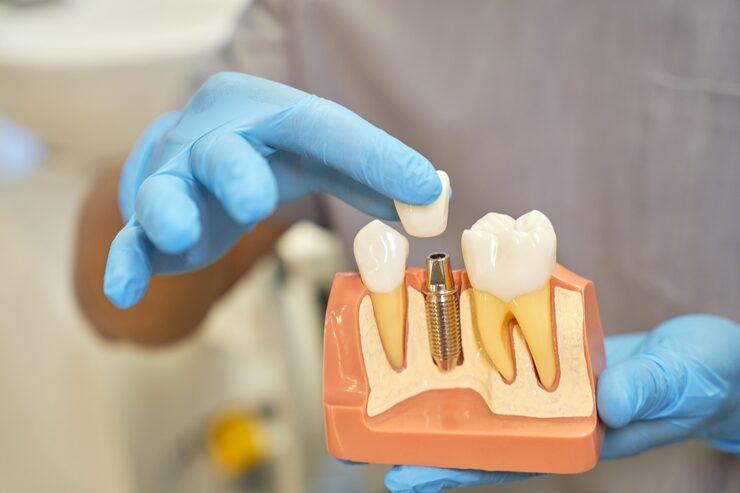
Sometimes a root canal isn't the final chapter, it's just the first attempt. That surprises a lot of people who thought once a tooth got treated, the story ended right there. But teeth are complicated, and once in a while an infection sticks around even after treatment feels complete. That's where root canal micro surgery treatment in Orange County, CA steps in as a backup plan. Let's decode what apicoectomy actually is, why it's needed, and how it works to save a tooth that's still struggling.
What Exactly Is an Apicoectomy?
An apicoectomy is a small surgical procedure that removes the very tip of a tooth's root, along with any infected tissue surrounding it. It's done after a standard root canal has already failed to clear up an infection completely. Instead of removing the tooth entirely, this surgery targets just the problem area at the root's end. Think of it as cleaning out the last stubborn bit of trouble hiding beneath the gum line.
Why Would a Root Canal Fail in the First Place?
Root canals succeed most of the time, but a small percentage don't fully resolve the infection. Tiny canals branching off the main root, called accessory canals, sometimes get missed during initial cleaning. Bacteria can also survive deep inside dentin tubules that regular instruments simply can't reach.
Over months or years, this leftover bacteria can flare up again, causing swelling, tenderness, or a stubborn bump on the gum that won't go away.
Signs You Might Need This Surgery
Not every failed root canal shows obvious symptoms right away, which makes this tricky for patients to catch early. Sometimes an X-ray taken during a routine visit reveals a dark spot near the root tip that wasn't there before.
Other times, a dull ache returns months after treatment felt completely finished. A small pimple-like bump on the gum, called a sinus tract, is another common sign something's still brewing underneath.
-
Persistent swelling near a previously treated tooth
-
Dull, recurring pain that doesn't fully go away
-
A small bump or sinus tract on the gum
-
Dark shadow near the root tip on X-rays
Catching these signs early often means simpler treatment and a faster recovery overall.
How the Procedure Actually Works
The surgery itself is more precise and gentle than most people imagine before their first visit. A small incision is made in the gum near the affected tooth, giving the dentist access to the root tip underneath. The infected tissue gets removed carefully, along with a tiny portion of the root itself. Once cleaned thoroughly, the tip is sealed with a special filling material to block bacteria from sneaking back in later.
Why Microscopes Changed This Surgery Completely
Older versions of this procedure relied on guesswork and larger incisions, making recovery slower and less predictable. Modern root canal treatment in Orange County, CA now uses high-powered microscopes that let specialists see details invisible to the naked eye. This means smaller incisions, more accurate cleaning, and significantly better healing rates compared to decades ago. Patients today benefit hugely from this shift, since precision matters enormously when working on something this small.
Does It Hurt More Than a Regular Root Canal?
This question comes up constantly, and the honest answer might surprise you. Most patients report the recovery feeling similar to a tooth extraction, mild swelling and soreness for a few days at most. Local anesthesia keeps the procedure itself completely pain-free while it's happening. Over-the-counter pain relief usually handles any discomfort afterward, and most people return to normal activities within a day or two.
How Long Does Recovery Actually Take?
Healing happens in two stages, soft tissue first and bone regeneration second. The gum tissue typically heals within one to two weeks, looking almost normal again fairly quickly. Bone healing underneath, though, takes longer, sometimes several months before it fully regenerates around the root tip. Follow-up X-rays help track this progress, confirming everything is healing the way it should beneath the surface.
Why Choose Surgery Instead of Just Extracting the Tooth
Pulling a tooth might sound like the simpler fix, but it often creates bigger problems down the road. Extraction leads to bone loss, shifting teeth, and eventually needing an implant or bridge to fill the gap.
Choosing root canal micro surgery treatment in Orange County, CA instead means keeping your natural tooth, along with its root structure and surrounding bone intact. This usually turns out cheaper and healthier long-term compared to replacing a missing tooth entirely.
Who Actually Needs This Procedure?
Not everyone with a failed root canal needs surgery right away, since some cases respond well to simple retreatment first. Surgery becomes the better option when a crown or post makes reopening the tooth difficult or risky. It's also recommended when scar tissue, rather than active infection, is preventing normal healing after treatment. A specialist evaluates X-rays and symptoms carefully before recommending this route over other options available.
What Happens If You Skip Treatment Entirely
Ignoring a lingering infection rarely makes it disappear on its own, no matter how mild the symptoms seem initially. Bacteria left untreated can spread further into the jawbone, sometimes affecting neighboring teeth over time.
What starts as a small, manageable issue can turn into a much bigger, more painful problem later. Addressing it early through proper root canal treatment in Orange County, CA almost always means a smoother, quicker fix.
Is This Surgery Common?
It's more common than most people realize, especially considering how many root canals get performed every year nationwide. A small percentage naturally need this backup option, and that's completely normal rather than alarming. Specialists trained specifically in this area handle these cases regularly, making the procedure far from rare or experimental. Knowing this helps ease anxiety for anyone hearing the word "surgery" attached to their dental treatment for the first time.
Save the Tooth, Skip the Replacement
Losing a tooth always feels like the bigger loss, but an apicoectomy exists precisely to prevent that outcome. This procedure zeroes in on the hidden trouble spot, letting your tooth stay right where it belongs instead of getting replaced.
Swelling or discomfort creeping back after an earlier procedure usually means something's still unfinished underneath, and that deserves a closer look. Root canal micro surgery treatment in Orange County, CA exists for exactly this kind of situation, offering a real second chance.

 English
 Arabic
 French
 Spanish
 Deutsch
 Turkish
 Dutch
Dutch
 Italiano
 Russian
 Romaian
 Portuguese (Brazil)
 Greek
Greek