


What Are the Risks of Glutathione Injection in Dubai?
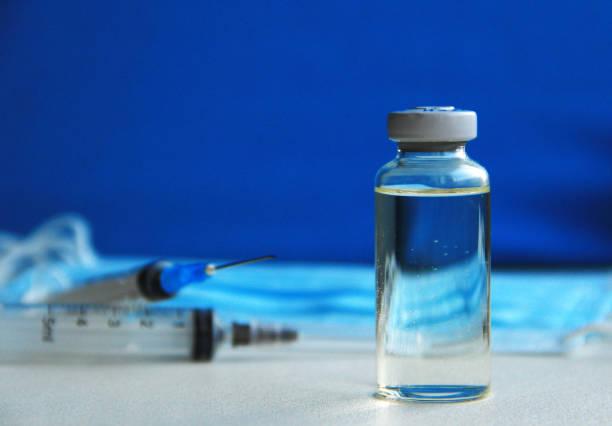
Before undergoing any medical or aesthetic procedure, evaluating potential risks and understanding safety protocols is essential. A glutathione injection in Dubai is generally well-tolerated because glutathione is a substance naturally produced by human cells. However, because the procedure involves direct intravenous administration into the bloodstream, risks can arise if treatments are improperly administered, unverified products are used, or proper medical protocols are overlooked. Understanding these factors allows you to choose safe care and protect your health.
Primary Risk Categories & Potential Complications
When receiving intravenous antioxidant therapy, potential risks fall into three primary categories:
                     [ Potential Treatment Risks ]
                                   │
     ┌─────────────────────────────┼─────────────────────────────┐
     ▼                             ▼                             ▼
【 Mild Local Reaction 】   【 Unverified Products 】     【 Systemic Incompatibility 】
 • Pinpoint bruising       • Toxic heavy metals          • Renal/hepatic strain
 • Temporary tightness     • Bacterial contamination     • Allergic reactions
 • Minor soreness          • Improper pH balance         • Asthma exacerbation
1. Minor Localized Side Effects (Common & Mild)
These are mild, temporary reactions occurring at the injection site that typically resolve within a few hours:
-
Pinpoint Bruising or Redness: Minor mark at the venipuncture site.
-
Temporary Local Soreness: Slight tenderness around the insertion point.
-
Mild Lightheadedness: Can occur if the infusion rate is too fast or if the patient is underhydrated.
2. Risks of Unverified or Counterfeit Products (Severe)
Receiving non-medical grade, counterfeit, or illegally imported formulations poses significant health risks:
-
Bacterial Contamination: Inadequate sterile manufacturing can cause systemic infections or phlebitis (vein inflammation).
-
Toxic Additives & Heavy Metals: Unverified products may contain harmful additives that place severe strain on the kidneys and liver.
-
Severe Allergic Reactions: Improper compounding can cause hives, rash, or anaphylactic shock.
3. Medical Contraindications & Overuse (Systemic)
Administering intravenous therapy without assessing underlying medical conditions creates unnecessary health risks:
-
Renal and Hepatic Overload: Patients with pre-existing severe kidney or liver disease may struggle to filter high-dose metabolic waste.
-
Asthma Triggers: High-dose antioxidant formulations containing sulfites can trigger bronchospasm in individuals with severe asthma.
Risk Assessment Matrix
| Reaction Level | Typical Symptoms | Frequency | Medical Management |
| Mild / Temporary | Site redness, minor bruising, light dizziness | Rare (Mild) | Self-limiting; resolves in hours; drink water |
| Moderate | Localized vein inflammation, mild skin rash | Very Rare | Consult treating clinician; apply warm compress |
| Severe (Unverified Source) | High fever, severe allergy, organ strain | Extremely Rare (Avoidable) | Requires immediate medical attention |
How to Eliminate Treatment Risks
You can prevent complications and ensure a safe experience by following these clinical guidelines:
1. Select a Fully Licensed Medical Facility
Always receive treatment at a DHA-certified clinic. Intravenous therapy should be administered by qualified doctors or registered nurses equipped with proper medical supplies and emergency protocols.
2. Verify Medical-Grade Formulation Sourcing
Inquire directly about product origin. Ensure the clinic uses verified, sterile, medical-grade formulations that adhere to strict pharmaceutical standards.
3. Complete a Thorough Pre-Treatment Screening
Never skip your initial medical consultation. Ensure your practitioner reviews your health history, checks kidney and liver function, and screens for contraindications like pregnancy, severe asthma, or cancer therapies.
Patient Safety Guidelines Before and After Treatment
-
Stay Hydrated Before Your Session: Drink plenty of water before your appointment to make venipuncture easier and prevent lightheadedness.
-
Keep Injection Site Clean: Leave the small bandage on for a few hours post-treatment and keep the area dry.
-
Avoid Uncertified At-Home Services: Do not purchase unregulated injectable kits online for self-administration at home.
Frequently Asked Questions
Is intravenous glutathione toxic to the liver?
No. In appropriate medical doses, glutathione supports liver function by aiding in the detox of metabolic toxins. However, unverified or contaminated products can place strain on both the liver and kidneys.
What should I do if I feel dizzy during my intravenous session?
Inform your practitioner immediately. Dizziness is usually caused by a rapid infusion rate or mild dehydration and can be easily managed by adjusting the flow rate or resting.
Can I be allergic to glutathione?
Because glutathione is naturally produced by human cells, true allergic reactions to the molecule itself are extremely rare. Reactions usually stem from improper additives, preservatives, or non-sterile compounding in unverified products.
Are injections safe for long-term use?
Yes, when administered under medical supervision using appropriate protocols and purified formulations. Regular medical check-ins ensure ongoing safety.
Your health and safety must always guide your aesthetic choices. By selecting a licensed medical facility with experienced healthcare professionals and verified pharmaceutical products, you can enjoy the benefits of intravenous therapy safely. Tajmeels Clinic follows strict medical protocols to ensure every treatment is safe, comfortable, and effective.

 English
 French
 Spanish
 Portuguese
 Deutsch
 Turkish
 Dutch
Dutch
 Italiano
 Russian
 Romaian
 Portuguese (Brazil)
 Greek
Greek