


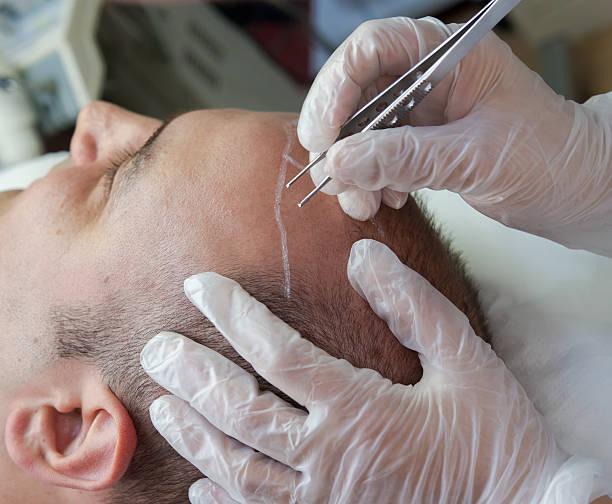
Safety is paramount when considering any medical procedure. When it comes to a hair transplant, you are entrusting your health, your appearance, and your confidence to a medical professional. It is natural to have concerns about the safety of the procedure, the risks involved, and what measures are in place to protect you. You deserve a clear, honest answer about the safety of hair transplantation.
A hair transplant in Dubai is a safe, well-established procedure when performed by qualified professionals in accredited facilities. Dubai's healthcare system adheres to rigorous international standards, ensuring patient safety is prioritized at every step. This article will provide a comprehensive overview of the safety of hair transplants in Dubai, including the regulations in place, the risks involved, and how they are managed, so you can make your decision with confidence.
The Safety Framework in Dubai
Dubai has established a robust healthcare system with strict regulations that ensure patient safety.
Dubai Health Authority (DHA) Regulation
The Dubai Health Authority (DHA) is the government body responsible for regulating healthcare in Dubai. All clinics performing hair transplants must be licensed by the DHA and adhere to strict standards.
DHA Requirements:
-
Licensing: All clinics and surgeons must hold valid DHA licenses.
-
Facility Standards: Clinics must meet specific standards for cleanliness, safety, and equipment.
-
Staff Qualifications: Medical staff must have appropriate qualifications and experience.
-
Regular Inspections: Clinics are subject to regular inspections to ensure compliance.
-
Patient Rights: DHA regulations protect patient rights and ensure transparency.
International Accreditation
Many leading clinics in Dubai also hold international accreditations, such as:
-
JCI (Joint Commission International): The gold standard in healthcare accreditation.
-
ISO Certification: Certifies quality management systems.
-
European Accreditation: Some clinics hold European accreditations.
Surgeon Qualifications
Hair transplant surgeons in Dubai are highly qualified professionals.
-
Board Certification: Many surgeons are board-certified in dermatology, plastic surgery, or related specialties.
-
International Training: Many have trained at prestigious institutions in Europe, North America, and other leading medical centers.
-
Extensive Experience: Dubai's surgeons have extensive experience treating a diverse patient population.
Safety Protocols
Dubai's clinics follow strict safety protocols to protect patients.
-
Sterilization: Rigorous sterilization of instruments and equipment.
-
Infection Control: Strict infection control measures.
-
Emergency Preparedness: Clinics are equipped to handle medical emergencies.
-
Anesthesia Safety: Experienced anesthesiologists or trained professionals administer anesthesia.
-
Informed Consent: Patients are fully informed about the procedure, risks, and benefits.
The Safety of the Procedure Itself
Hair transplantation is a safe procedure when performed correctly. Here is why.
Minimally Invasive Nature
Modern hair transplant techniques are minimally invasive.
-
FUE: FUE involves tiny punch holes, not large incisions.
-
Local Anesthesia: The procedure is performed under local anesthesia, avoiding the risks of general anesthesia.
-
Outpatient Procedure: Hair transplants are outpatient procedures, meaning you go home the same day.
Low Complication Rates
Hair transplants have very low complication rates.
-
Infection: Less than 1% risk of infection with proper sterile technique.
-
Bleeding: Minor bleeding is common, but significant bleeding is rare.
-
Scarring: Scarring is minimal with FUE and manageable with FUT.
-
Allergic Reactions: Allergic reactions to anesthesia or medications are rare.
Experienced Surgeons Reduce Risks
The skill and experience of your surgeon significantly reduce risks.
-
Precision: Experienced surgeons work with precision, minimizing trauma.
-
Knowledge: They understand the anatomy of the scalp and how to avoid complications.
-
Experience: They have managed complications in the past and know how to handle them.
Potential Risks and Complications
While hair transplants are safe, it is important to understand potential risks.
Common Side Effects
These are normal and temporary:
-
Swelling: Around the forehead and eyes, lasting a few days.
-
Redness: In the recipient and donor areas, lasting a few weeks.
-
Itching: As the scalp heals, lasting a few weeks.
-
Numbness: Temporary numbness in the treated areas.
-
Shedding: Transplanted hair shedding before new growth.
Less Common Complications
These are rare but possible:
-
Infection: Can occur if proper sterile technique is not followed.
-
Bleeding: Excessive bleeding is rare.
-
Scarring: Hypertrophic or keloid scarring is uncommon but possible.
-
Shock Loss: Temporary shedding of existing hair around the transplanted area.
-
Poor Growth: In rare cases, transplanted hair may not grow as expected.
-
Unnatural Appearance: Poor hairline design or graft placement can lead to unnatural results.
How Risks Are Managed
Reputable clinics in Dubai manage risks through:
-
Thorough Pre-Operative Assessment: Screening for medical conditions that could increase risks.
-
Strict Sterile Technique: Preventing infection.
-
Expert Surgical Technique: Minimizing trauma and complications.
-
Comprehensive Aftercare: Supporting healing and managing any issues.
-
Follow-Up: Monitoring recovery and addressing concerns.
Who Is a Good Candidate for a Hair Transplant?
Safety also depends on being a suitable candidate.
Ideal Candidates
-
Good General Health: No uncontrolled medical conditions.
-
Sufficient Donor Hair: Enough healthy hair to achieve goals.
-
Realistic Expectations: Understanding what can be achieved.
-
Non-Smoker: Smoking impairs healing.
-
No Contraindications: No conditions that make surgery unsafe.
Who Should Avoid Hair Transplants?
-
Uncontrolled Medical Conditions: Such as uncontrolled diabetes or heart disease.
-
Active Scalp Infections: Such as folliculitis.
-
Bleeding Disorders: Or taking blood-thinning medications.
-
Autoimmune Conditions: Such as alopecia areata (in some cases).
-
Unrealistic Expectations: Expecting immediate or perfect results.
The Consultation: Your Opportunity to Assess Safety
The consultation is your opportunity to assess the safety of the procedure and the clinic.
Questions to Ask About Safety
-
"Is your clinic DHA licensed and accredited?"
-
"What are your qualifications and experience?"
-
"What safety protocols do you follow?"
-
"What are the risks and how do you manage them?"
-
"What is your complication rate?"
-
"What aftercare do you provide?"
Red Flags to Watch For
-
Unlicensed Clinic: Operating without DHA licensing.
-
Unqualified Staff: Staff without proper qualifications.
-
Unclean Environment: Poor cleanliness or hygiene.
-
Pushy Sales Tactics: Pressure to book immediately.
-
Lack of Transparency: Unclear information about risks or costs.
Frequently Asked Questions
1. Is a hair transplant in Dubai safe?
Yes, when performed by qualified surgeons in DHA-licensed facilities, a hair transplant in Dubai is safe.
2. What are the risks of a hair transplant?
Risks include infection, bleeding, scarring, and poor growth, but these are rare with proper technique and aftercare.
3. How can I ensure my hair transplant is safe?
Choose a DHA-licensed clinic, a board-certified surgeon, and follow all pre- and post-operative instructions.
4. Does a hair transplant require general anesthesia?
No, hair transplants are performed under local anesthesia, which is safer than general anesthesia.
5. Can I have a hair transplant if I have a medical condition?
It depends on the condition. Discuss your medical history with your surgeon to determine if you are a suitable candidate.
6. What is the infection rate for hair transplants?
The infection rate is very low, typically less than 1%, with proper sterile technique.
7. How long does it take to recover from a hair transplant?
Most patients recover within 7 to 10 days, with full results visible after 9 to 12 months.
8. Can I travel to Dubai for a hair transplant safely?
Yes, many international patients travel to Dubai for hair transplants. Choose a reputable clinic and plan your stay accordingly.
9. What should I look for in a safe clinic?
Look for DHA licensing, accreditations, qualified surgeons, and positive patient reviews.
10. Are there any age restrictions for hair transplants?
There is no strict age limit, but surgeons may be cautious with younger patients whose hair loss pattern is not yet established.
Your Safe Path to Hair Restoration
Safety should always be your top priority when considering a hair transplant. A hair transplant in Dubai offers a safe, effective solution for hair loss when performed by qualified professionals in accredited facilities. By understanding the safety framework in place, the potential risks, and how they are managed, you can approach your procedure with confidence and peace of mind.
At Tajmeels Clinic, patient safety is our highest priority. Our experienced surgeons perform hair transplants in a DHA-licensed, accredited facility, following strict safety protocols to ensure your well-being. We take the time to assess your candidacy, explain the risks, and provide comprehensive aftercare to support your recovery. Contact us today to schedule your consultation and discover how we can help you achieve your hair restoration goals safely and effectively.

 English
 Arabic
 French
 Spanish
 Portuguese
 Turkish
 Dutch
Dutch
 Italiano
 Russian
 Romaian
 Portuguese (Brazil)
 Greek
Greek