


Receding Hairline: Causes, Early Signs and Treatment Options
A receding hairline is one of the most common early signs of hair loss, particularly in men, although women can also experience changes around the hairline. It typically appears when the hairline gradually moves backwards from its original position, often beginning around the temples and creating an "M-shaped" pattern. While some degree of hairline change can occur naturally with age, noticeable or progressive recession may indicate an underlying hair-loss condition that deserves professional attention.
Understanding the causes, early signs, and available treatment options can help you make informed decisions about managing hair loss. If you have noticed increasing hair fall, thinning around the temples, or a visibly changing hairline, consulting a qualified hair-loss professional can help determine the most suitable approach for your individual needs.
What Is a Receding Hairline?
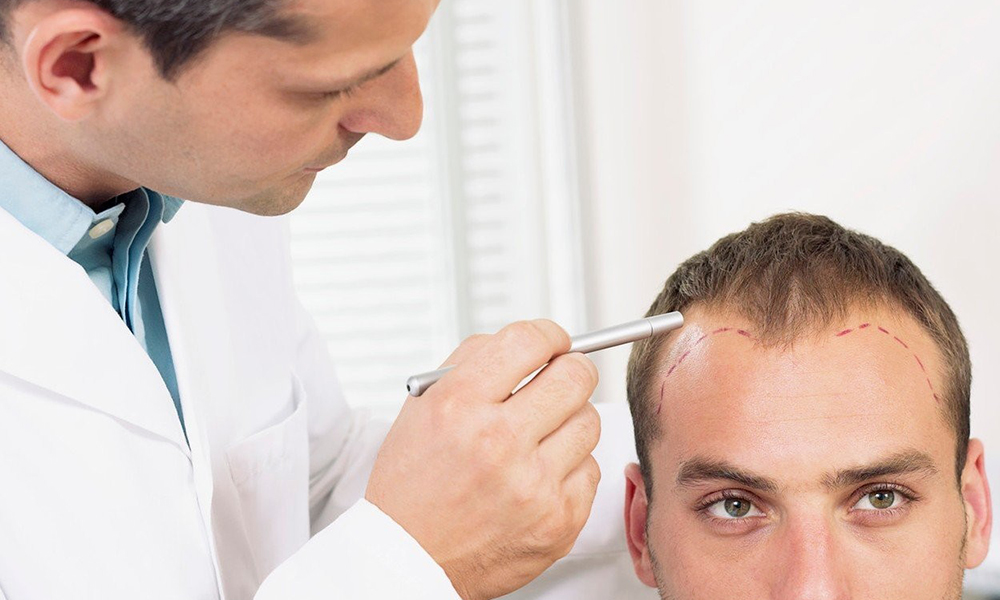
A receding hairline occurs when the hairline gradually moves backwards, reducing the amount of hair at the front of the scalp. The recession may start slowly and become more noticeable over time. In many cases, the temples begin to thin first, followed by further recession across the frontal hairline.
The pattern and speed of recession can vary considerably between individuals. Some people may experience a gradual change over many years, while others may notice significant thinning within a shorter period. Early assessment is important because identifying the cause can help determine whether treatment may slow further hair loss.
Common Causes of a Receding Hairline
Several factors can contribute to a receding hairline. Understanding the possible cause is an important first step when considering treatment.
1. Genetics and Hereditary Hair Loss
Genetics is one of the most common causes of a receding hairline. Androgenetic alopecia, commonly known as male or female pattern hair loss, can cause progressive thinning and recession.
If close family members have experienced early hair loss or receding hairlines, you may have a greater likelihood of developing a similar pattern. Genetic hair loss can progress gradually, making early evaluation particularly useful.
2. Hormonal Factors
Hormonal changes can influence the hair-growth cycle. In genetically susceptible individuals, certain hormones and their effects on hair follicles can contribute to progressive thinning.
Hormonal changes associated with aging and other factors may also affect hair density. A professional assessment can help determine whether hormonal or genetic factors may be contributing to your hair loss.
3. Aging
Changes to the hairline can naturally occur as you get older. Hair may become finer, growth may slow, and the density of hair around the temples and forehead may decrease.
However, significant or rapidly progressing recession should not automatically be considered a normal part of aging. A professional can assess whether the changes are consistent with age-related thinning or another condition.
4. Stress and Lifestyle Factors
Periods of significant physical or emotional stress may affect the normal hair-growth cycle. Poor sleep, restrictive diets, major illness, and other lifestyle factors may also contribute to increased shedding.
In some situations, improving overall lifestyle habits and addressing the underlying trigger may help hair growth return to its normal cycle.
5. Nutritional Deficiencies
Hair growth depends on adequate nutrition. Deficiencies involving nutrients such as iron, vitamin D, zinc, or protein may contribute to excessive shedding or thinning in some people.
If nutritional deficiency is suspected, a healthcare professional can recommend appropriate testing and treatment rather than relying on supplements without identifying the underlying problem.
Signs You May Have a Receding Hairline
Recognizing early changes can help you seek professional advice sooner. Common signs include:
- Hairline gradually moving backwards
- Increasing thinning around the temples
- An increasingly noticeable M-shaped hairline
- Finer or shorter hairs appearing near the front of the scalp
- More scalp becoming visible around the forehead
- Increased hair shedding during washing or brushing
- Reduced overall density at the front of the scalp
- Changes that become more noticeable in photographs over time
It is useful to monitor changes rather than relying on a single observation. Comparing photographs taken several months apart under similar lighting can provide a clearer indication of whether the hairline is changing.
Can a Receding Hairline Be Treated?
The appropriate treatment depends on the underlying cause, the extent of hair loss, your age, hair characteristics, and your individual goals. There is no single treatment that is suitable for everyone.
A professional hair-loss assessment can help determine whether the follicles are still producing hair and what options may be appropriate.
Medical Hair Loss Treatments
Certain clinically established treatments may help slow progression or support hair growth in suitable candidates. Depending on the individual, a qualified professional may discuss topical or oral medications and explain their potential benefits, limitations, and side effects.
Treatment should be selected with professional guidance, particularly when prescription medication is involved.
Platelet-Rich Plasma (PRP) Therapy
PRP therapy is another option that may be considered for some types of hair thinning. It involves using a concentrated preparation derived from the patient's own blood and injecting it into areas of the scalp.
PRP may help support the hair follicles in selected patients, although results may vary. A consultation is important to determine whether this approach is appropriate for your specific pattern of hair loss.
Hair Transplantation
For people experiencing permanent hair loss, a hair transplant may be an option. Hair transplantation involves moving healthy hair follicles from a donor area to areas affected by thinning or recession.
Modern techniques can be used to create a natural-looking hairline when performed by an experienced medical team. However, candidacy depends on factors such as donor hair availability, the extent of hair loss, age, future hair-loss expectations, and overall scalp health.
If you are considering this approach, researching a reputable Hair Transplant Clinic in Melbourne can help you access professional assessment and personalized treatment planning.
Why Early Assessment Matters
A receding hairline can be gradual, so it is easy to ignore the early signs. However, progressive hair loss may become more difficult to manage as follicle activity decreases over time.
An early consultation can help identify the likely cause and establish realistic expectations. Depending on your circumstances, early treatment may focus on maintaining existing hair, improving hair density, or planning a longer-term solution.
It is also important to understand that hair loss treatment results vary from person to person. A qualified professional should assess your scalp and discuss realistic outcomes rather than promising guaranteed results.
Choosing the Right Hair-Loss Treatment
When exploring treatment options for a receding hairline , consider more than just the advertised results. Look for a clinic or practitioner that provides a detailed consultation, explains the underlying cause of your hair loss, discusses different treatment approaches, and provides realistic expectations.
If transplantation is recommended, ask about the proposed technique, donor-area assessment, expected results, recovery process, and long-term hair-loss management. A personalized treatment plan is generally more appropriate than choosing a procedure solely based on price.
Take the Next Step Towards Managing Hair Loss
A receding hairline does not necessarily mean that you have to accept progressive hair loss without exploring your options. The earlier you understand what is causing your hairline to change, the better positioned you may be to consider suitable management or treatment strategies.
Whether your goal is to slow further thinning, maintain your existing hair, improve density, or explore hair transplantation, professional guidance can help you understand the options available. If you are concerned about a receding hairline , consider booking a consultation with an experienced hair-loss professional.
For those exploring transplantation options, a reputable Hair Transplant Clinic in Melbourne can assess your hair loss pattern, donor hair availability, and individual goals before recommending an appropriate treatment plan.

 English
 Arabic
 French
 Spanish
 Portuguese
 Deutsch
 Turkish
 Dutch
Dutch
 Russian
 Romaian
 Portuguese (Brazil)
 Greek
Greek