


Functional Innovation in Modern Industrial Roller Manufacturing
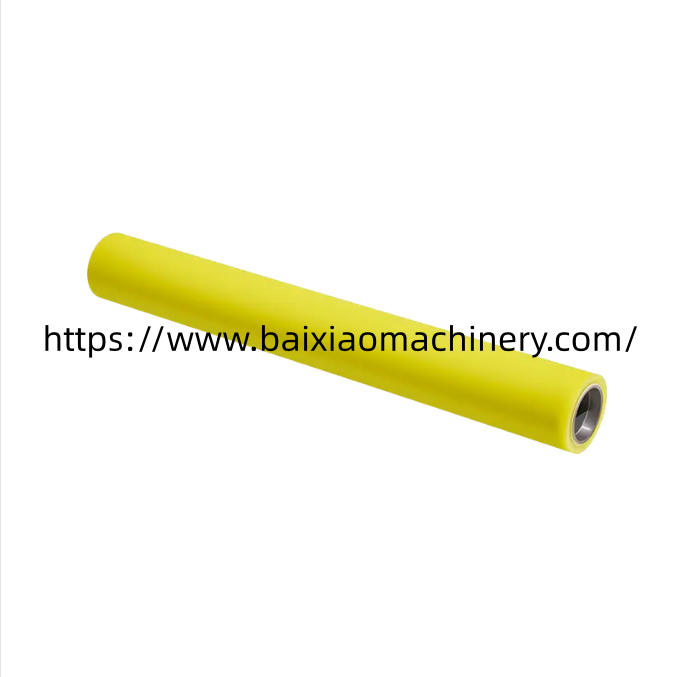
Modern industrial machinery often relies on rollers to guide, transport, press, coat, support, or control materials during production. In printing, packaging, converting, textile, and material handling applications, a properly developed Rubber Roller can provide a useful combination of surface contact and mechanical support. Material selection, purchasing considerations, functional engineering, user experience, and visual design all influence how effectively a roller performs within a complete machine.
Material selection is one of the most important stages in roller development. Rubber materials can offer useful characteristics such as elasticity, surface grip, resilience, and adaptability to different production environments. However, not every rubber compound is suitable for every application. Engineers need to consider the material being processed, surrounding environmental conditions, cleaning practices, friction requirements, and the relationship between the rubber surface and the roller core.
The roller core also plays an important role in the overall structure. Metal or other rigid materials can provide the foundation for the rubber layer, while the bonding process connects the surface material with the internal structure. Manufacturers need to consider how the core, rubber covering, bonding method, and finishing process work together. A coordinated structure can help maintain a stable roller form and support consistent contact during machine operation.
Surface finishing is another consideration that can influence product quality. Different applications may require different levels of smoothness, texture, resilience, or surface preparation. A carefully processed rubber surface can support more controlled contact with paper, film, fabric, packaging materials, or other products. Finishing quality can also influence cleaning convenience and the visual consistency of the finished component.
When purchasing an industrial roller, buyers should begin by identifying its role in the machine. Rollers may be used for web handling, feeding, guiding, pressing, laminating, coating, or conveying. Buyers can consider the type of material being processed, the surrounding workflow, environmental exposure, cleaning requirements, installation method, and maintenance practices. Evaluating these factors together helps businesses select a product that fits the actual application.
Supplier selection is equally important. A reliable manufacturer should provide clear technical communication, material knowledge, engineering support, manufacturing experience, and quality management. Customers may also value flexible customization and the ability to discuss application-specific requirements. Zhejiang Province, Ruian Baixiao Machinery Co., Ltd. combines machinery manufacturing experience with practical product development, supporting customers across different industrial applications.
Functional engineering has a direct influence on roller usability. Engineers consider the relationship between the rubber surface, core, bearings, shafts, frames, and neighboring machine components. Proper structural coordination can support smooth rotation and stable material contact. Designers may also consider how the roller will be installed, removed, cleaned, inspected, and replaced so that maintenance teams can work efficiently.
Manufacturing technology continues to improve roller development. Digital design tools can help engineers review product structures before machining and identify potential issues in advance. Modern machining, rubber processing, grinding, balancing, bonding, and finishing methods can contribute to more consistent production. Inspection procedures provide useful information about surface condition, structural quality, and finished-product consistency.
User experience is important even for components installed inside industrial equipment. Operators and technicians interact with rollers during installation, adjustment, inspection, cleaning, and maintenance. Practical assembly features and accessible surrounding components can make routine service more convenient. When product development considers real maintenance workflows, the resulting roller can fit more naturally into everyday machine management.
The working environment also affects user experience. Production machinery may be exposed to dust, fibers, adhesives, moisture, residue, or changing conditions depending on the industry. Rubber selection and surface treatment should therefore be considered with the surrounding environment in mind. A roller developed around actual operating conditions can be easier to maintain and better suited to the production process.
Design and appearance also contribute to the perceived quality of industrial components. Although the roller is primarily functional, clean rubber surfaces, consistent finishing, balanced proportions, and professional presentation can reflect careful manufacturing. A visually well-organized roller can also integrate more naturally into modern machinery. Design should support the mechanical role of the product while maintaining a clear and professional appearance.
Customization provides additional flexibility for industrial customers and machinery manufacturers. Different applications may require particular rubber characteristics, core materials, bonding approaches, surface finishes, or structural arrangements. Flexible engineering allows manufacturers to adapt roller solutions according to application needs while keeping production practical. Close cooperation between customers and engineers can help translate specialized requirements into workable product concepts.
Quality management connects material selection, core preparation, rubber processing, bonding, machining, finishing, assembly, inspection, and customer feedback. Consistent procedures help manufacturers maintain stable production while identifying opportunities for improvement. Feedback from operators and maintenance teams can also provide useful information about surface behavior, installation, cleaning, and machine integration.
Zhejiang Province, Ruian Baixiao Machinery Co., Ltd. continues developing machinery components and roller solutions through manufacturing experience, engineering knowledge, quality-focused production, and attention to customer needs. Its approach connects material selection, surface development, functional engineering, maintenance considerations, and product presentation when supporting different industrial projects. More information about its products and manufacturing capabilities is available at https://www.baixiaomachinery.com/.

 English
 Arabic
 French
 Spanish
 Portuguese
 Deutsch
 Turkish
 Dutch
Dutch
 Italiano
 Russian
 Romaian
 Greek
Greek