


How Much Does It Cost to Develop a 2D Game?
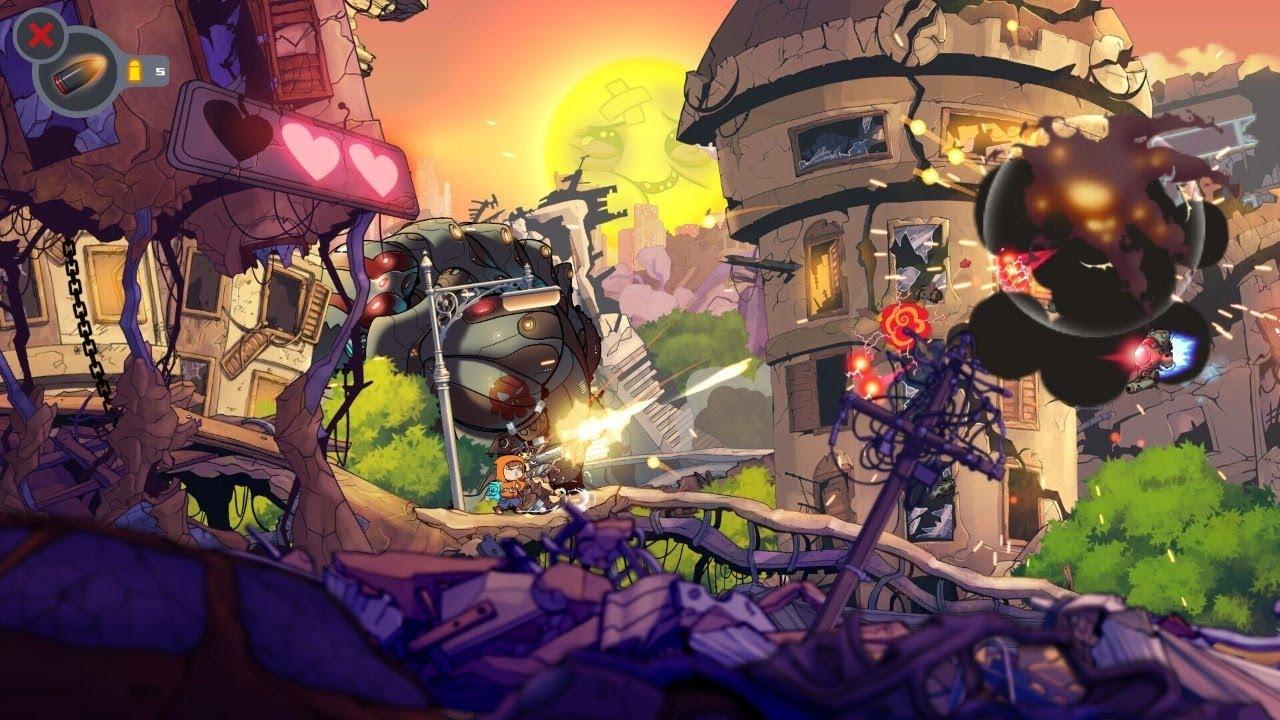
Developing a 2D game can be an exciting opportunity for startups, established businesses, and independent creators. However, before starting a project, one of the first questions to consider is the overall investment required. A professional 2D game development company can help turn a game concept into a polished product, but the total cost depends on several factors, including game complexity, art style, features, platform, development team, testing, and post-launch support. Understanding these factors early can help you establish a realistic budget and avoid unexpected expenses.
There is no single price that applies to every project. The total investment depends on factors such as game complexity, art style, platform, features, development team, testing requirements, and post-launch support.
A basic 2D game may require a relatively modest budget, while a feature-rich title with advanced mechanics, multiplayer functionality, custom artwork, and extensive content can require a much larger investment.
Understanding these cost factors before development begins can help you create a realistic budget and avoid unexpected expenses.
Average Cost of Developing a 2D Game
The cost of a 2D game can vary significantly depending on its scope.
As a general planning estimate, projects can fall into three broad categories:
- Simple 2D game: approximately $10,000–$30,000
- Mid-level 2D game: approximately $30,000–$80,000
- Complex 2D game: approximately $80,000–$200,000 or more
These figures are estimates rather than fixed industry prices. A simple game with a few levels, basic mechanics, and limited artwork may stay toward the lower end. A larger game involving multiplayer, extensive character systems, custom animations, advanced artificial intelligence, and multiple platforms can exceed the higher range.
The best way to determine an accurate budget is to define the project's requirements before requesting development estimates.
What Determines the Cost of a 2D Game?
Several factors influence the final development cost. Two games may both be described as “2D,” yet their budgets can be dramatically different.
The most important factors include game complexity, design requirements, visual assets, platforms, team location, technology, features, testing, and ongoing maintenance.
Let's look at each factor in more detail.
1. Game Complexity
The complexity of your game is one of the biggest cost drivers.
A basic arcade game with one core mechanic is relatively straightforward to build. The development team may only need to implement movement, scoring, levels, menus, sound effects, and basic player progression.
A role-playing game, strategy title, or narrative adventure can require much more.
For example, a complex 2D game might include:
- Multiple playable characters
- Character progression
- Inventory systems
- Combat mechanics
- Quests
- Dialogue systems
- Non-player characters
- Multiple environments
- Save and load functionality
- Achievement systems
- In-game economies
Every additional system requires development, testing, balancing, and maintenance.
Before development starts, it is useful to distinguish between essential features and optional features. This can prevent the project from becoming unnecessarily complicated and expensive.
2. Game Design and Planning
Game development does not begin with programming.
Before developers write code, the project needs a clear design. This may include gameplay mechanics, level structure, character behavior, progression systems, user interface, monetization, target audience, and technical requirements.
A game designer may create a game design document describing how different systems interact.
The planning stage can seem like an additional expense, but it can save money later. Unclear requirements often lead to revisions, delays, and feature changes during development.
A well-planned project gives the development team a clearer roadmap and makes it easier to estimate the required resources.
3. Art and Visual Design
Although 2D games generally have simpler visual requirements than many 3D games, artwork can still represent a substantial portion of the budget.
The cost depends heavily on the visual style.
Pixel art may require fewer resources for some projects, while detailed hand-drawn artwork can require extensive illustration and animation work. A game with dozens of characters, enemies, environments, objects, and animations naturally requires more artistic production than a small arcade title.
The art budget may include:
- Character design
- Environment artwork
- Backgrounds
- Sprites
- Animation
- User interface elements
- Icons
- Promotional graphics
- Visual effects
Custom artwork generally costs more than using pre-existing assets. However, original visuals can give a game a distinctive identity and help it stand out in a crowded market.
4. Animation Requirements
Animation is another important consideration.
A simple game might only need basic character movement and a few action animations. A story-heavy game could require dozens or hundreds of animations for characters, enemies, objects, and environmental elements.
Animation complexity also depends on the chosen style.
Frame-by-frame animation can require significant artistic effort. Skeletal animation may provide a more efficient solution for certain character designs. Developers can choose different approaches depending on the game's artistic direction and performance requirements.
More animation usually means more production time, which increases the overall budget.
5. Platform Selection
The platform you choose also affects development costs.
A game intended only for Android may have different requirements from one designed for iOS, PC, consoles, and web browsers.
Common target platforms include:
- Android
- iOS
- Windows PC
- macOS
- Web browsers
- PlayStation
- Xbox
- Nintendo Switch
Developing for multiple platforms can increase costs because the game may need additional optimization, testing, input support, platform-specific features, and certification.
If your budget is limited, launching on one carefully selected platform can be a sensible starting point. Once the game gains traction, you can consider expanding to additional platforms.
6. Multiplayer Features
Adding multiplayer functionality can significantly increase development costs.
A single-player game generally has fewer infrastructure requirements. Multiplayer games may require servers, matchmaking, player accounts, synchronization, network security, real-time communication, leaderboards, and additional testing.
Even relatively simple multiplayer mechanics can introduce technical challenges.
For example, developers need to account for different internet speeds, latency, connection interruptions, cheating, server capacity, and synchronization problems.
If multiplayer is not essential to the initial concept, launching a single-player version first may reduce development risk. Multiplayer can potentially be introduced later as the project evolves.
7. Backend and Cloud Infrastructure
Some 2D games require backend services even when their gameplay is primarily offline.
Online features can require databases, authentication systems, cloud storage, analytics, leaderboards, player profiles, and content management systems.
These services can introduce both development and recurring infrastructure costs.
For example, a game with player accounts may need secure authentication and database management. A game with live events may require backend systems capable of delivering new content.
When preparing a budget, businesses should therefore consider not only the initial development cost but also the ongoing cost of operating online services.
8. Sound and Music
Audio can have a major impact on the player's experience.
A game may require background music, character sounds, environmental effects, menu sounds, combat effects, and other audio elements.
Costs depend on whether you use stock audio, licensed music, custom compositions, professional voice actors, or original sound design.
A small mobile game might use a limited collection of sound effects and music tracks. A narrative-driven game could require extensive voice acting and a large original soundtrack.
Although audio is sometimes overlooked during early budgeting, high-quality sound can significantly improve the overall polish of a game.
9. Game Engine and Development Tools
The technology used to build the game can also influence expenses.
Popular game engines can provide tools for graphics, physics, animation, audio, user interfaces, scripting, and platform deployment. The right choice depends on the game's requirements and the team's technical expertise.
Some development tools offer free or low-cost options for smaller projects, while commercial tools and services may involve licensing fees or usage-based costs.
Businesses should evaluate technology based on the game's requirements rather than selecting a tool simply because it is popular.
A capable development team can recommend an appropriate technology stack based on the target platforms, features, performance expectations, and budget.
10. Development Team Location
Where your development team is located can influence hourly rates.
Development costs often differ between regions because of variations in labor markets, operating expenses, and demand for specialized skills.
You can work with:
- An in-house team
- A local development studio
- A freelance team
- An offshore development team
- A nearshore development company
- A specialized game development agency
Hiring an external team can provide access to designers, developers, artists, testers, and project managers without requiring a business to build a complete internal department.
However, price should not be the only consideration. Experience, communication, portfolio quality, technical expertise, and project management are equally important.
11. Testing and Quality Assurance
Testing is an essential part of the development process.
A game that works correctly on one device may experience problems on another. Different screen sizes, operating systems, hardware configurations, controllers, and network conditions can introduce bugs.
Quality assurance may include:
- Functional testing
- Compatibility testing
- Performance testing
- Usability testing
- Device testing
- Multiplayer testing
- Regression testing
- Security testing
Testing costs should be included in the initial project budget rather than treated as an optional final step.
Finding and fixing problems during development is generally more manageable than discovering major issues immediately before launch.
12. Post-Launch Maintenance
The development budget does not necessarily end when the game is published.
After launch, developers may need to fix bugs, release updates, optimize performance, add content, support new operating system versions, and respond to player feedback.
Games with online features may require continuous server management and technical support.
If the game uses advertising, subscriptions, or in-app purchases, additional monitoring and optimization may also be required.
It is therefore wise to reserve part of the overall budget for post-launch support.
Simple vs. Complex 2D Game Cost
To understand how different features affect pricing, consider two hypothetical projects.
A simple mobile puzzle game might include 50 levels, basic 2D artwork, background music, advertisements, and simple menus. Such a project could fall within the lower development range.
A larger role-playing game might include multiple characters, combat, inventory management, quests, dialogue, dozens of environments, advanced animation, cloud saves, and extensive content. The production requirements would be much greater.
Both are 2D games, but their budgets are completely different.
This is why asking only for the “cost of a 2D game” is not enough to produce an accurate estimate.
How to Reduce 2D Game Development Costs
A limited budget does not necessarily mean you need to abandon your game idea. Instead, you can manage costs through careful planning.
Start With an MVP
A minimum viable product, or MVP, contains the core features necessary to demonstrate the game's concept.
Rather than creating every planned feature immediately, developers can build the essential gameplay loop first. This makes it easier to test the concept and collect feedback.
Reuse Appropriate Assets
Reusable backgrounds, interface components, animations, and other assets can reduce production time when used consistently.
However, asset reuse should not compromise the game's visual identity or quality.
Prioritize Platforms
Launching on one platform initially can reduce development and testing costs.
Once the game demonstrates demand, additional platforms can be considered.
Limit Feature Creep
Adding new features during development can quickly increase costs.
A clearly defined scope helps keep the project within its planned budget.
Work With an Experienced Partner
Choosing an experienced 2D game development company can help reduce avoidable development problems.
A knowledgeable team can identify technical risks early, recommend appropriate tools, structure the development process, and create a realistic roadmap.
The cheapest provider is not necessarily the most affordable option in the long term. Poor-quality development can result in delays, bugs, redesigns, and expensive redevelopment.
Is Developing a 2D Game Worth the Investment?
For many businesses and independent developers, the answer can be yes.
2D games can be comparatively efficient to produce while offering significant creative flexibility. They can work particularly well for mobile games, indie projects, casual titles, educational applications, puzzle games, platformers, and narrative experiences.
However, profitability depends on more than development cost.
Your game needs a clear target audience, compelling gameplay, effective marketing, appropriate monetization, and a strong launch strategy.
A technically excellent game can still struggle if potential players never discover it.
Final Thoughts
The cost of developing a 2D game depends on the project's scope rather than the fact that it is 2D. A simple mobile title may cost tens of thousands of dollars, while a sophisticated multi-platform game can require a much larger investment.
The most important cost factors include game complexity, art and animation, platform selection, multiplayer functionality, backend requirements, audio, development resources, testing, and post-launch maintenance.
Before beginning development, define the core concept, identify essential features, select your target audience and platforms, and establish a realistic budget. Starting with an MVP can also help validate the idea before significant resources are committed.
Finally, choosing the right development partner can make a substantial difference. A reliable 2D game development company should bring together technical expertise, creative thinking, quality assurance, project management, and long-term support.
With careful planning and realistic expectations, businesses can control development expenses while creating a 2D game that delivers a strong and memorable player experience.

 English
 Arabic
 French
 Spanish
 Portuguese
 Deutsch
 Turkish
 Dutch
Dutch
 Russian
 Romaian
 Portuguese (Brazil)
 Greek
Greek