


How Fleet Tracking Systems Improve Visibility and Operational Control
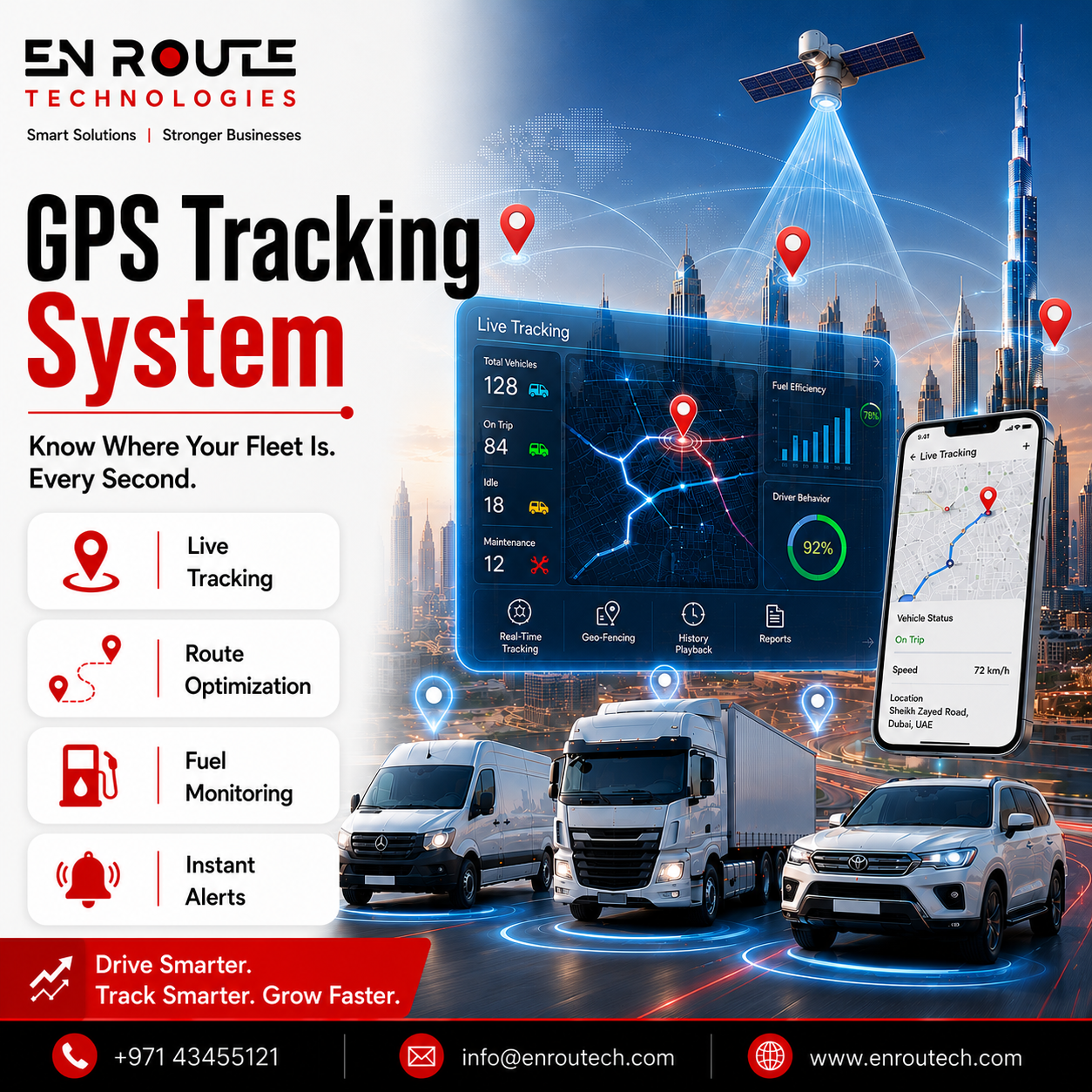
Managing a commercial fleet requires constant attention to vehicles, drivers, routes, fuel consumption, maintenance, and operational costs. As businesses expand, keeping track of every activity manually becomes increasingly difficult. Fleet managers need accurate information that allows them to make faster decisions and maintain control over daily operations.
Technology has transformed the way companies manage transportation resources. A modern Fleet Tracking System provides real-time visibility into vehicle movements, driver activities, and fleet performance. When integrated with other digital tools, tracking technology can help businesses improve efficiency, reduce costs, strengthen safety, and make better use of their assets.
The Growing Need for Smarter Fleet Operations
Traditional fleet management often depends on spreadsheets, phone calls, paper records, and manual reporting. While these methods may work for small operations, they become inefficient as the number of vehicles and drivers increases.
Modern Fleet Management technology brings important operational information together in one centralized environment. Managers can monitor vehicles, review performance, manage maintenance activities, and analyze operational data without depending entirely on manual processes.
This centralized approach helps businesses maintain better control while reducing administrative workload.
Improving Real-Time Fleet Visibility
One of the biggest advantages of fleet tracking technology is real-time visibility. Managers can monitor where vehicles are located and understand what is happening across the fleet.
Real-time visibility can help businesses:
- Monitor vehicle movements
- Identify route delays
- Improve dispatch decisions
- Track vehicle utilization
- Respond quickly to unexpected situations
This information allows managers to move from reactive management toward proactive decision-making.
Optimizing Routes and Reducing Travel Time
Inefficient routes can increase fuel consumption, vehicle wear, and driver working hours. They can also cause delivery delays and negatively affect customer satisfaction.
Fleet tracking technology provides useful route information that helps managers identify inefficient travel patterns. By reviewing historical and current route data, businesses can select more efficient routes and reduce unnecessary mileage.
Better route planning can result in shorter travel times, improved productivity, and lower operating costs.
Improving Driver Safety
Driver behavior has a major impact on fleet safety and operational performance. Speeding, harsh braking, aggressive acceleration, and distracted driving can increase accident risks and vehicle maintenance expenses.
Advanced safety technologies can provide additional support. For example, ADAS solutions can assist with driver awareness and help businesses create safer transportation environments.
When driver performance is monitored consistently, managers can identify risky patterns and provide appropriate training or coaching.
Using Car Tracking for Better Vehicle Control
Businesses need to know how their vehicles are being used throughout the working day. A Car Tracker can provide valuable information about vehicle locations, movement patterns, and operational activity.
This visibility can help companies detect:
- Unauthorized vehicle usage
- Unexpected route deviations
- Excessive idle periods
- Unplanned stops
Better vehicle control helps protect company assets while improving overall fleet accountability.
Supporting Eco-Friendly Fleet Operations
Sustainability is becoming increasingly important for businesses across the transportation sector. Fuel consumption and vehicle emissions are major considerations for organizations operating large fleets.
An effective Eco Driving strategy can help businesses encourage smoother and more efficient driving practices.
Companies can focus on reducing:
- Excessive acceleration
- Harsh braking
- Unnecessary idling
- Excessive speeding
Improving driving efficiency can reduce fuel consumption while also helping businesses lower their environmental impact.
Managing Fleet Procurement More Effectively
Fleet management does not only involve vehicles that are already operating. Businesses also need to manage purchasing decisions for vehicles, equipment, spare parts, and other operational resources.
Using Procurement Software can help organizations organize purchasing processes and improve visibility into supplier and procurement activities.
Better procurement management can help businesses control costs, improve supplier coordination, and ensure that essential fleet resources are available when required.
Improving Asset Management
Fleet vehicles are valuable business assets, and organizations need to monitor them throughout their operational lifecycle.
Effective Asset management helps businesses maintain visibility over vehicles and other important resources. Managers can track asset information, utilization, maintenance requirements, and operational status.
Better asset management supports more informed decisions about repairs, replacement schedules, utilization, and future investments.
Enhancing Video-Based Fleet Safety
Vehicle cameras have become an important component of modern fleet safety programs. A Dash Cam can capture road and driving events, providing valuable evidence and insights when incidents occur.
Dash cams can support businesses by helping them:
- Review road incidents
- Investigate accidents
- Monitor driving behavior
- Improve driver accountability
- Support safety training
When combined with other fleet technologies, video data can provide a more complete understanding of fleet operations.
Reducing Fuel and Maintenance Costs
Fleet tracking technology can help businesses identify activities that contribute to unnecessary expenses. Excessive idling, inefficient routes, aggressive driving, and poor vehicle utilization can all increase operating costs.
At the same time, better monitoring can support proactive maintenance planning. Businesses can identify vehicles that require attention and schedule maintenance before minor problems become expensive breakdowns.
Reducing fuel waste and unexpected repair costs can have a significant impact on overall fleet profitability.
Improving Customer Service
Fleet efficiency directly influences customer satisfaction. Delayed deliveries, inaccurate arrival times, and poor communication can damage customer relationships.
Real-time fleet visibility enables businesses to provide more accurate information about vehicle locations and expected arrival times. Dispatch teams can also respond more quickly when unexpected delays occur.
This creates a more reliable service experience and helps businesses build stronger relationships with customers.
Making Data-Driven Fleet Decisions
Modern fleet systems generate large amounts of operational data. Instead of relying on assumptions, managers can analyze actual performance information to identify trends and opportunities.
Data can help businesses understand:
- Vehicle utilization
- Driver performance
- Route efficiency
- Fuel consumption
- Asset productivity
- Operational costs
These insights make it easier to establish performance targets and measure improvements over time.
The Future of Fleet Management Technology
Fleet technology is continuing to evolve with artificial intelligence, automation, predictive analytics, and connected vehicle systems.
Future fleet solutions are expected to provide increasingly intelligent recommendations for route planning, maintenance, driver coaching, asset utilization, and operational forecasting.
Businesses that adopt these technologies early can create more efficient and adaptable fleet operations.
Conclusion
Modern fleet management requires more than simply knowing where vehicles are located. Businesses need comprehensive visibility across vehicles, drivers, assets, safety, procurement, and daily operations.
Fleet tracking technology provides the foundation for this visibility. When combined with fleet management tools, driver safety technologies, eco-driving strategies, procurement solutions, and asset management capabilities, it can help businesses reduce costs and improve operational efficiency.
Organizations that invest in connected fleet technology can make better decisions, improve accountability, enhance safety, and build more productive transportation operations for long-term growth.

 English
 Arabic
 French
 Spanish
 Portuguese
 Deutsch
 Turkish
 Dutch
Dutch
 Italiano
 Russian
 Portuguese (Brazil)
 Greek
Greek