


How Indian Logistics Companies Can Use Vulnerability Testing Services to Secure Fleet and Warehouse Technology
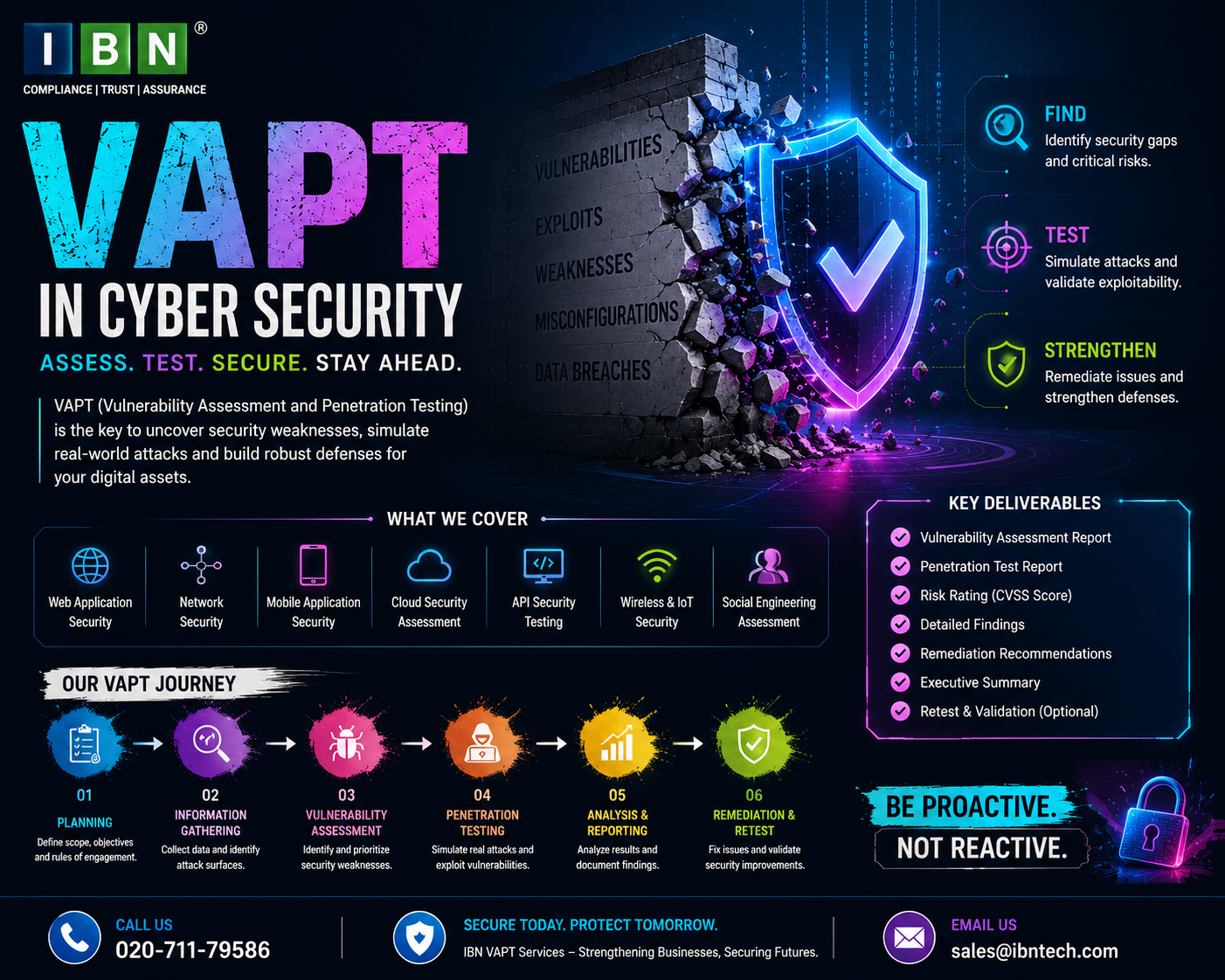
Digital logistics operations depend on interconnected fleet systems, warehouse technology, mobile applications and cloud platforms. As these environments expand, vulnerability testing services can help Indian logistics companies identify weaknesses that could affect operational systems, customer information or connected infrastructure.
Fleet Applications
Fleet platforms may manage:
- Vehicle information
- Driver assignments
- Delivery schedules
- Tracking
- Operational communication
Security testing should determine whether unauthorized users can manipulate these functions.
Mobile Applications
Driver applications may connect directly to backend APIs.
Testing should examine whether a compromised account or manipulated request could provide access beyond the user's legitimate permissions.
Warehouse Networks
Warehouse systems may contain:
- Workstations
- Scanners
- Wireless networks
- Inventory applications
- Connected devices
Security teams should understand whether these environments are properly segmented.
API Security
APIs often connect different logistics systems.
They may exchange:
- Shipment information
- Customer data
- Delivery status
- Inventory information
- Partner information
Testing should evaluate authentication and authorization as well as data handling.
Network Visibility
network vulnerability assessment can help logistics companies identify vulnerable network assets, exposed services and configuration weaknesses across distributed infrastructure.
This can be useful when technology is deployed across multiple offices, warehouses and operational locations.
Cloud Infrastructure
Cloud systems may support customer portals, tracking applications and internal operations.
Security teams should monitor cloud exposure as infrastructure changes.
Third-Party Connections
Logistics companies often work with external partners.
Security teams should identify which systems are accessible through those relationships.
A vulnerability in a connected service can become more significant if it provides a pathway into internal resources.
Testing Around Operations
Testing should be scheduled to avoid unnecessary disruption to warehouse and fleet operations.
The engagement should clearly define:
- Testing windows
- Included systems
- Exclusions
- Emergency contacts
- Escalation procedures
Prioritizing Findings
A vulnerability affecting a customer-facing tracking service may have a different business impact from one affecting an isolated internal workstation.
Risk should therefore consider operational importance.
Remediation
After fixing a vulnerability, the organization should verify the change.
Retesting can confirm whether the issue has actually been resolved.
Building Continuous Security
Logistics technology changes as new warehouses, vehicles, partners and applications are introduced.
Vulnerability testing should therefore be part of an ongoing security process rather than a one-time exercise.
For Indian logistics companies, continuous visibility and risk-based testing can help protect digital operations while supporting business growth.

 English
 Arabic
 French
 Spanish
 Deutsch
 Turkish
 Dutch
Dutch
 Italiano
 Russian
 Romaian
 Portuguese (Brazil)
 Greek
Greek