


How Do Iron Pots And Pans Support Everyday Cooking? Cookwaresupplier
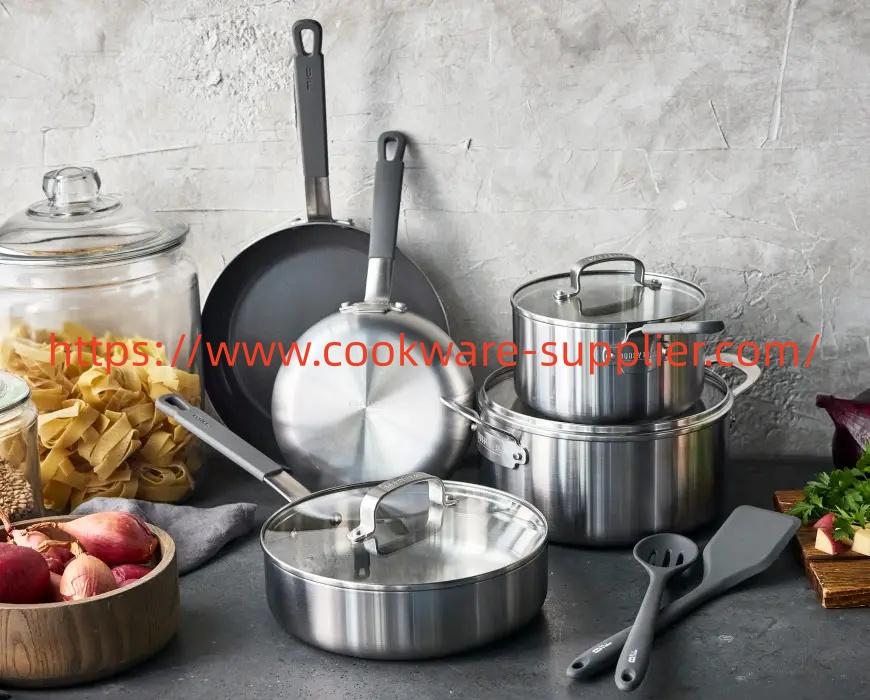
Iron Pots And Pans are traditional kitchen vessels valued for their ability to hold heat and support a wide range of cooking methods. In a modern household, they can be used for frying, browning, baking, roasting, sautéing, and slow cooking. Their solid construction makes them particularly suitable for recipes where a stable cooking surface matters.
Rather than being limited to one type of meal, this cookware can move between different parts of a daily kitchen routine. A shallow skillet may handle breakfast, while a deeper vessel can be used later for a family dinner. Choosing the appropriate shape and size is therefore an important part of getting practical value from this style of cookware.
How Does Heat Retention Affect Cooking
One of the noticeable characteristics of iron cookware is its ability to retain heat after preheating. This can be useful when ingredients are added to a hot surface because the temperature may remain relatively stable during cooking.
For searing meat, for example, cooks generally want enough heat to encourage surface browning. A heavy skillet can provide a consistent cooking environment once it has been properly heated. Vegetables can also be sautéed in a similar way, particularly when the recipe calls for a firm texture and lightly browned edges.
The same property can be useful for recipes that require longer cooking periods. Once a dish reaches the desired temperature, lowering the heat can allow cooking to continue without repeatedly making large temperature adjustments.
Which Everyday Foods Suit This Cookware
A broad selection of home recipes can be prepared in these vessels. Eggs, potatoes, chicken, beef, vegetables, pancakes, cornbread, roasted ingredients, and baked desserts are all examples of foods that may work well with suitable designs.
Breakfast is one simple application. A skillet can be used for eggs, hash browns, pancakes, or sautéed vegetables. During lunch, it can handle grilled sandwiches or reheated foods. At dinner, the same general format may be used for meat, vegetables, or one pan recipes.
Baking also creates another practical use. A heat retaining vessel can be suitable for cornbread, fruit desserts, skillet cakes, and other recipes that benefit from a heated cooking surface. This gives households more flexibility without requiring a separate piece for every preparation method.
Why Shape And Size Matter
Not every design is intended for the same task. A shallow frying pan provides a broad surface for ingredients that need space, making it useful for browning, frying, and sautéing. A deeper pot provides additional capacity for stews, sauces, braised foods, and larger portions.
Size should also match the amount of food being prepared. A small household may prefer compact cookware for individual or smaller portions, while larger families may need wider or deeper vessels.
Handles are another consideration. A secure handle can make moving the cookware easier, particularly when transferring a dish from a cooking surface to another location. Some designs also include secondary handles that provide additional control when the vessel becomes heavy.
These practical details are worth considering before purchasing because the shape directly influences how comfortably a product fits into a cooking routine.
What About High Heat Cooking
Many home recipes begin with preheating. Allowing the cooking surface to warm gradually can help ingredients respond more consistently when they are added.
High heat can be useful for certain tasks, such as browning meat or creating a crisp exterior on potatoes. However, heat should still be matched to the ingredients and recipe. Excessive temperature can burn oils or food before the center has finished cooking.
For daily use, controlled heating is therefore more practical than simply using the highest available setting. Cooks can preheat gradually, add an appropriate amount of oil, and then adjust the burner according to the food being prepared.
How Should Daily Care Be Managed
Maintenance is an important part of using traditional iron cookware. Moisture should not be left on the surface for extended periods because exposed metal can develop rust.
After cooking, food residue should be removed using a suitable cleaning method. The vessel should then be dried thoroughly before storage. A light layer of cooking oil may be applied when appropriate to help maintain the surface.
Seasoning is another common part of care. It involves building a protective layer through the controlled application and heating of oil. Over time, regular cooking and appropriate maintenance can influence the condition of this surface.
Acidic foods also deserve attention. Ingredients such as tomatoes, citrus, or vinegar may interact with an uncoated surface during extended cooking. For recipes containing substantial amounts of acidic ingredients, users should consider the condition of the seasoning and the recommended care instructions.
How Can This Cookware Fit Modern Kitchens
Traditional metal cookware does not need to be limited to traditional recipes. Its ability to handle different cooking methods makes it relevant to everyday meals, from quick breakfasts to slow weekend dishes.
For households that prefer versatile kitchen tools, choosing several shapes can create a practical cooking setup. A frying pan can cover fast meals, while a deeper pot can handle soups, stews, and larger portions. An oven suitable design can also expand the number of recipes available.
Cookwaresupplier can support buyers looking at cookware choices for different household cooking requirements. Instead of selecting products based only on appearance, buyers can consider intended recipes, vessel size, cooking method, handle design, maintenance preferences, and storage needs.
Making A Practical Choice For Daily Cooking
The usefulness of iron cookware comes from how naturally it fits different preparation methods. It can support browning, frying, baking, roasting, and slow cooking when the vessel is matched to the recipe.
For buyers evaluating cookware for home kitchens, practical considerations such as shape, capacity, surface treatment, handling, and maintenance can make the purchasing decision more straightforward. A product selected around actual cooking habits is more likely to become a regular part of meal preparation.
Those interested in viewing related cookware products can continue naturally to the product range at https://www.cookware-supplier.com/product/

 English
 Arabic
 French
 Spanish
 Portuguese
 Turkish
 Dutch
Dutch
 Italiano
 Russian
 Romaian
 Portuguese (Brazil)
 Greek
Greek