


What Samples Are Needed for a Food Intolerance Test?
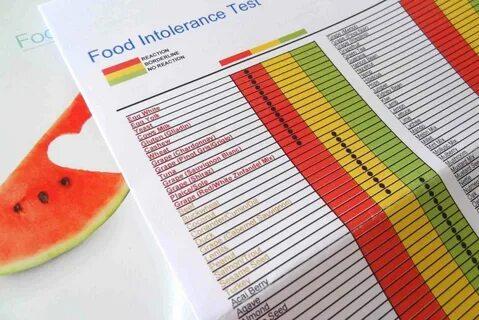
When digestive symptoms repeatedly appear after eating certain foods, a Food Intolerance Test Dubai may seem like a straightforward way to discover the cause. But before arranging testing, many people have a practical question: What sample is actually needed?
The answer depends entirely on the type of test being performed. There is no single sample that can diagnose every food intolerance. Some investigations use a breath sample, while other food-related conditions may involve blood testing, dietary assessment, or a structured elimination and reintroduction process.
Understanding the sample required for a particular test can help you prepare correctly and avoid confusing a food intolerance test with food allergy or food sensitivity testing.
The Sample Depends on What Is Being Investigated:
Food intolerance is a broad term covering different digestive problems.
For example, lactose malabsorption may be investigated with a hydrogen breath test. In this situation, the relevant sample is exhaled breath rather than blood.
Other suspected conditions may require a blood sample, while some food-related symptoms are better evaluated through a detailed dietary history and symptom diary.
This means there is no universal “food intolerance sample.”
The correct question is:
Which sample is required for the specific condition being investigated?
Breath Samples for Hydrogen Breath Testing:
One of the most important examples is the hydrogen breath test.
This type of test may be used to investigate certain carbohydrate malabsorption problems, including lactose malabsorption and, in appropriate circumstances, fructose malabsorption.
Instead of taking blood or collecting stool, the patient provides samples of exhaled air.
How Does a Breath Sample Work?
The procedure typically begins with a baseline breath sample.
The person then consumes a measured test substance, such as lactose or another carbohydrate being investigated.
Additional breath samples are collected at scheduled intervals.
The laboratory measures gases in the breath, commonly including hydrogen and sometimes methane, depending on the testing method.
If a carbohydrate is poorly absorbed, it may reach the large intestine and be fermented by gut bacteria. This fermentation can produce gases that eventually enter the bloodstream and are exhaled through the lungs.
The pattern of gas measurements, together with symptoms, can help healthcare professionals assess the result.
Why Are Multiple Breath Samples Needed?
A single breath sample provides only a snapshot.
Digestive processes occur over time, so repeated measurements can show whether breath gas levels change after the test substance is consumed.
A typical procedure may therefore involve:
- A baseline breath sample
- Consumption of the test substance
- Additional samples at regular intervals
- Recording any digestive symptoms
- Interpretation of the overall pattern
The number and timing of samples vary according to the testing protocol.
This is also why a hydrogen breath test may take several hours rather than only a few minutes.
What Does a Breath Sample Tell You?
A breath test can provide information about how the body handles a particular carbohydrate under the conditions of the test.
For example, when lactose malabsorption is suspected, the test may help determine whether lactose is being absorbed normally.
However, the result should not be interpreted as a simple statement that “all dairy is bad.”
Lactose malabsorption and lactose intolerance are related but not identical concepts.
A person may have difficulty absorbing lactose while still tolerating small amounts without significant symptoms.
Individual tolerance, serving size, meal composition, and other digestive factors can influence symptoms.
Is a Blood Sample Used for Food Intolerance Testing?
Sometimes blood testing may be appropriate, but it is important to understand what the blood test is actually designed to investigate.
There is no universal blood test that detects every food intolerance.
Blood tests may be used to investigate specific medical conditions associated with food-related symptoms. For example, testing for celiac disease involves specific blood tests that look for antibodies associated with the condition.
Celiac disease is an autoimmune disorder triggered by gluten and is different from lactose intolerance or other carbohydrate malabsorption.
Therefore, if someone has symptoms after eating wheat or gluten, they should not assume that a general food intolerance panel is an appropriate diagnostic test for celiac disease.
What About Blood Tests for Food Sensitivity?
Commercial food sensitivity panels sometimes require a blood sample and may test responses to numerous foods.
These tests can produce lengthy reports, but the number of foods measured does not automatically mean the test can diagnose food intolerance.
Some panels measure food-specific IgG antibodies.
The presence of IgG antibodies to a food does not, by itself, establish that the food is causing intolerance or allergy.
Before interpreting such a report, it is important to understand exactly what was measured and whether the testing method is clinically appropriate for the suspected condition.
Is a Stool Sample Needed?
A stool sample is not a standard sample for every food intolerance test.
However, stool testing may sometimes be used when healthcare professionals are investigating other gastrointestinal problems.
For example, certain stool tests can help investigate infections, intestinal inflammation, bleeding, or other digestive conditions.
If symptoms such as persistent diarrhea are present, a healthcare professional may recommend stool testing depending on the clinical situation.
This does not mean that the stool sample itself is a general test for food intolerance.
The sample is selected according to the medical question being investigated.
Can Saliva Be Used for a Food Intolerance Test?
Saliva is not a standard sample for established diagnostic testing of common food intolerances such as lactose malabsorption.
You may encounter commercial products that advertise saliva-based food sensitivity or dietary reaction testing.
Before relying on such testing, determine what biological marker is being measured and whether the method has been validated for diagnosing the condition you are concerned about.
A convenient sample type does not automatically make a test diagnostically useful.
What About a Food and Symptom Diary?
Although it is not a laboratory sample, a food and symptom diary can be one of the most useful sources of information during a food intolerance evaluation.
It provides a record of what happened in everyday life rather than under laboratory conditions.
A useful diary can include:
| Information | What to Record |
|---|---|
| Food | Specific foods and ingredients |
| Portion | Approximate amount eaten |
| Time | When the food was consumed |
| Symptoms | Bloating, gas, cramps, diarrhea, nausea |
| Onset | When symptoms began |
| Duration | How long symptoms lasted |
| Frequency | How often the pattern occurs |
This information can help a healthcare professional decide whether targeted testing is appropriate.
It can also reveal that symptoms are associated with portion size or meal composition rather than one specific ingredient.
Do You Need to Provide a Sample at Home?
This depends on the test.
For a hydrogen breath test, samples are generally collected during the testing procedure according to the provider's instructions.
Some laboratory investigations may use samples collected at home, while others require collection at a clinical facility.
If a test kit is provided for home collection, follow the instructions carefully.
Incorrect sample collection, contamination, poor storage, or delayed transport can potentially affect laboratory processing.
How Should You Prepare for a Breath Sample?
Preparation requirements vary by testing protocol.
You may be asked to:
- Fast for a specified period
- Follow a restricted diet before testing
- Avoid certain foods
- Avoid smoking
- Avoid strenuous activity immediately before or during testing
- Temporarily avoid particular medications or supplements if instructed
Recent antibiotic use may also be relevant because antibiotics can alter intestinal bacteria.
Do not stop prescription medication without professional guidance.
The testing facility should provide specific instructions based on the test being performed.
What Happens If the Sample Is Not Suitable?
If a sample is inadequate, contaminated, improperly collected, or otherwise unsuitable, the laboratory may be unable to provide a reliable result.
For a breath test, incorrect preparation can potentially affect measurements.
For blood testing, problems such as insufficient sample volume or other collection issues may require another sample.
If the testing provider says that a sample needs to be repeated, follow their instructions rather than attempting to interpret an incomplete report.
Food Intolerance Samples vs Food Allergy Samples:
It is also important not to confuse food intolerance testing with food allergy testing.
Food allergy involves an immune response and can produce symptoms such as hives, swelling, vomiting, wheezing, breathing difficulties, or anaphylaxis.
Depending on the suspected allergy, evaluation may involve a medical history, skin prick testing, blood testing for specific IgE antibodies, or a medically supervised oral food challenge.
A breath sample used to investigate lactose malabsorption does not diagnose a milk allergy.
Likewise, a blood test used for allergy evaluation does not automatically diagnose lactose intolerance.
Different conditions require different diagnostic methods.
Does the Sample Determine Test Accuracy?
The sample type alone does not determine whether a test is accurate.
Accuracy depends on several factors, including:
- Whether the correct test was selected
- Proper patient preparation
- Correct sample collection
- Appropriate laboratory analysis
- Following the testing protocol
- Correct interpretation of results
- Matching findings with symptoms and medical history
A technically perfect sample cannot provide a useful answer if the test itself is not appropriate for the suspected condition.
What If No Laboratory Sample Can Confirm the Problem?
Not every food-related digestive problem has a definitive laboratory test.
In some situations, a healthcare professional may consider a structured elimination diet followed by controlled food reintroduction.
The suspected food is removed temporarily while symptoms are monitored.
If symptoms improve, the food may be reintroduced in an appropriate manner.
If symptoms consistently return, this can provide useful evidence of a food-related trigger.
This process should be carefully planned, particularly when multiple foods are being eliminated or nutritional adequacy could become a concern.
When Should You Seek Further Evaluation?
Food-related symptoms are common, but persistent or severe symptoms should not automatically be blamed on intolerance.
Medical evaluation is particularly important if you experience:
- Unintentional weight loss
- Blood in the stool
- Persistent vomiting
- Severe abdominal pain
- Difficulty swallowing
- Persistent fever
- Significant changes in bowel habits
- Signs of dehydration or nutritional deficiency
- Symptoms that repeatedly disturb sleep
These warning signs may indicate another gastrointestinal condition that requires investigation.
Frequently Asked Questions:
What sample is needed for a lactose intolerance test?
A hydrogen breath test for lactose malabsorption uses samples of exhaled breath collected before and after consuming a measured lactose solution.
Is blood required for a food intolerance test?
Not always. The required sample depends on the suspected condition. Some investigations use breath samples, while specific medical conditions may require blood testing.
Can a stool sample diagnose food intolerance?
A stool sample is not a universal food intolerance test. Stool testing may instead be used to investigate infections, inflammation, bleeding, or other gastrointestinal conditions.
Can saliva diagnose food intolerance?
Saliva is not a standard sample for diagnosing common food intolerances such as lactose malabsorption. Commercial saliva-based tests should be evaluated carefully based on what they actually measure.
Do I need to fast before providing a sample?
Some tests require fasting, while others do not. Always follow the preparation instructions provided for your specific test.
Can a food diary replace laboratory testing?
A food diary cannot replace an appropriate diagnostic test when one is indicated, but it can provide valuable information about food triggers, symptoms, timing, and portion sizes.
Final Takeaway:
The answer to What samples are needed for a food intolerance test? depends on the condition being investigated.
A hydrogen breath Lab tests may require multiple breath samples to investigate carbohydrate malabsorption such as lactose intolerance. Certain food-related medical conditions may require blood testing, while stool samples can be useful when investigating other gastrointestinal causes. In situations where no suitable laboratory test exists, a structured elimination and reintroduction process may help identify dietary triggers.
The key is not simply choosing a sample that is convenient. The test and sample should be appropriate for the specific clinical question.
If recurring bloating, gas, abdominal cramps, diarrhea, nausea, or other digestive symptoms appear after eating certain foods, discuss the pattern with a qualified healthcare professional. A targeted evaluation can help determine whether food intolerance testing is appropriate and which type of sample can provide the most useful information.

 English
 French
 Spanish
 Portuguese
 Deutsch
 Turkish
 Dutch
Dutch
 Italiano
 Russian
 Romaian
 Portuguese (Brazil)
 Greek
Greek