


How Can Zhiguangplastic Grid Pallet Improve Airflow During Storage
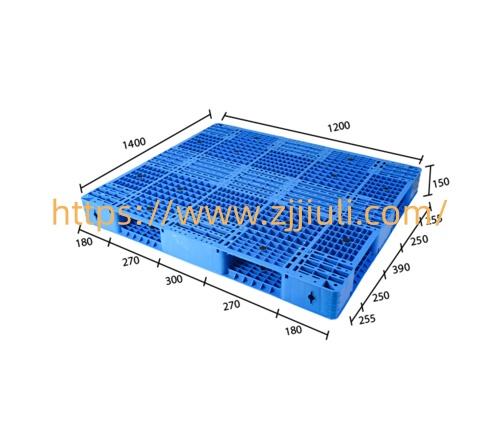
Grid Pallet design can make a meaningful difference when stored goods need better air circulation and easier moisture removal. In warehouses, cold rooms, food handling areas, and washdown zones, water can collect around stored materials when the supporting surface has limited openings. A vented structure creates spaces that allow air and liquid to move through the deck instead of remaining concentrated beneath cartons, crates, or containers. This can support a cleaner and more manageable storage environment when the design matches the application.
Airflow is particularly relevant when goods are exposed to changing temperatures. Refrigerated products can experience condensation as they move between different environments. Fresh produce and chilled goods may also require circulation around their containers during storage. An open deck allows air to move through the supporting structure, although warehouse teams should consider the complete load arrangement rather than relying on the deck alone. Product packaging, wrapping, stacking height, and room circulation can all influence actual airflow.
Drainage is another practical consideration. During cleaning, washing, sprinkler activity, or accidental spills, water needs a path away from stored materials. Openings in the supporting surface allow liquid to pass downward instead of remaining on a solid platform. This can make cleaning routines easier and may help reduce areas where moisture remains for extended periods.
The size and arrangement of openings deserve careful attention. Large openings can improve ventilation and drainage, but the deck still needs to provide suitable support for the goods being handled. Small cartons, bags, containers, and irregular packages may require more contact points. Buyers should therefore consider the dimensions and weight distribution of their actual loads before choosing a particular structure.
Load requirements should also be reviewed alongside airflow needs. A warehouse may handle light cartons one day and heavier containers the next. Static storage, forklift movement, racking, and automated handling can place different demands on the supporting structure. A model intended for floor storage should not automatically be assumed to suit rack storage. Racking applications require confirmation of the relevant load rating and structural configuration.
Cleaning conditions can influence material selection as well. Plastic handling products are commonly considered for environments where regular washing and moisture exposure are part of daily operations. A suitable structure should allow workers to clean accessible surfaces without creating unnecessary areas where residue can remain. This is especially useful for facilities handling food, beverages, agricultural products, or other moisture sensitive goods.
Classification also helps improve warehouse organization. Dry packaged goods can be separated from chilled products, while washable containers can have dedicated storage locations. Materials requiring frequent inspection can remain in accessible areas. Seasonal inventory can be positioned in less frequently accessed zones. This arrangement helps workers connect storage location with product characteristics and handling requirements.
For buyers, practical details such as dimensions, entry direction, surface structure, material, and compatibility with existing equipment should be reviewed before purchase. Forklifts, pallet jacks, conveyors, and racking systems may have different requirements. Checking these factors in advance can reduce the risk of selecting a product that does not fit the existing workflow.
Zhiguangplastic focuses on plastic handling solutions designed around different storage and logistics requirements. Manufacturing considerations can include material selection, structural configuration, dimensions, surface patterns, and customization options. For buyers managing different warehouse conditions, these details provide a basis for selecting products according to actual operating needs rather than choosing solely by appearance.
A practical selection process can begin with the storage environment. Measure the available space, identify the equipment used for movement, record typical load weights, and determine whether the area involves washing, refrigeration, humidity, or frequent liquid exposure. Then compare suitable structures according to those conditions. This method can help purchasing teams create clearer specifications before requesting samples or quotations.
Zhiguangplastic supports buyers looking for configurable plastic handling products for warehouse, logistics, storage, and industrial applications. Buyers can review available product categories and specifications through https://www.zjjiuli.com/product/ when planning storage equipment for different operating environments. A suitable choice should balance airflow, drainage, load support, handling compatibility, cleaning requirements, and the actual conditions of the facility.

 English
 Arabic
 French
 Spanish
 Portuguese
 Deutsch
 Turkish
 Dutch
Dutch
 Russian
 Romaian
 Portuguese (Brazil)
 Greek
Greek