


Cultivating a Sustainable Garden in a Hawaiian Microclimate
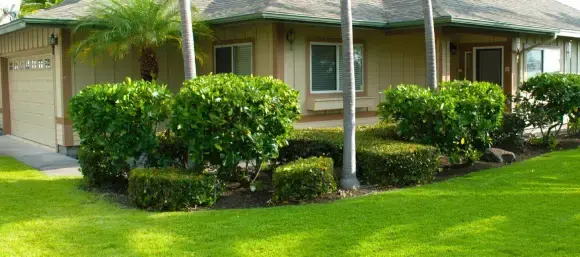
Creating a garden in a tropical environment presents a fascinating set of environmental conditions that require careful thought, planning, and continuous attention. The volcanic soil, varying rainfall zones, and persistent coastal winds create a highly dynamic environment for plant life and structural features. Homeowners frequently discover that the planting techniques they used in cooler, temperate climates simply do not translate well to this specific setting. Understanding the distinct microclimates across your property is the first step towards cultivating a thriving outdoor space that lasts through the seasons. Depending on your exact elevation and proximity to the ocean, your property might experience arid, desert-like conditions or frequent, heavy tropical downpours throughout the week. Selecting the correct plant species for your specific climatic zone prevents wasted effort and ensures your garden flourishes beautifully throughout the entire calendar year without requiring excessive watering or chemical interventions.
Working with the natural terrain rather than fighting against it yields the most stunning and sustainable results for residential properties. Many properties feature exposed lava rock, steep inclines, or uneven ground that can seem quite intimidating at first glance for those unaccustomed to such topography. Rather than clearing these natural environmental features away completely, incorporating them into the overarching design adds authentic character and structural integrity to the property. Designing terraced planting areas or using natural rock formations as focal points creates a highly natural transition between the built environment and the wild surroundings. This sensible approach reduces the need for constant intensive maintenance and creates a more resilient ecosystem right in your backyard, promoting healthy soil development over time.
Water conservation remains a significant priority for property owners across the region, regardless of their specific microclimate or exact elevation. Implementing drought-tolerant native plants reduces reliance on artificial irrigation systems and directly supports local wildlife, including necessary pollinators and native bird species. Strategies such as heavy organic mulching, proper soil amendment using local compost, and efficient drip irrigation techniques make a massive difference in the long-term health of the garden beds. The most successful outdoor spaces are those designed with environmental harmony in mind, requiring fewer resources and less intensive human interference over time. Careful planning during the initial stages ensures the vegetation establishes deep, healthy root systems capable of withstanding unexpected dry spells without suffering significant damage or wilting.
Finding the right professionals to guide this intricate process makes a considerable difference in the final outcome and long-term viability of the project. Experienced landscapers on big island understand the intricacies of volcanic soil chemistry, drainage requirements, and local weather patterns deeply. They bring established relationships with local nurseries, ensuring access to healthy, properly acclimated plants that will thrive in your specific location without experiencing immediate transplant shock. Their technical expertise helps prevent very common, costly mistakes, such as planting highly invasive species or placing sun-loving vegetation in areas prone to heavy afternoon cloud cover. Taking the time to consult with local experts ultimately saves time, frustration, and resources while producing a much more cohesive, sustainable design that matures beautifully over the years.
Maintaining a tropical garden requires consistent, knowledgeable care to prevent aggressive overgrowth and properly manage continuous seasonal changes. The rapid growth rates in these warm environments mean that regular pruning, soil testing, weed control, and targeted pest management are necessary to keep the outdoor space looking its best. A well-designed garden should provide a tranquil, relaxing retreat for the homeowner, not a constant source of demanding physical labour or financial stress. Establishing a clear, manageable maintenance schedule from the beginning ensures the garden remains a beautiful sanctuary for years to come. Thoughtful design combined with consistent, knowledgeable care transforms any ordinary yard into a breathtaking personal retreat that adds real value to the property.
Properly assessing the structural elements of your outdoor space holds just as much importance as selecting the right vegetation for the beds. Features such as retaining walls, paved walkways, and dedicated drainage channels dictate how water moves across the property during heavy rain events. Poorly constructed hardscaping leads to serious erosion problems, soil displacement, and potential water damage to the main residential structure over time. Integrating functional structural elements with the softer, organic plant life creates a balanced, highly functional outdoor living area. Approaching the property as a complete, interconnected system guarantees that every element works together, resulting in a beautiful, long-lasting environment for the whole family to enjoy.
Conclusion
Transforming a bare tropical property into a thriving, balanced ecosystem takes time, patience, and a deep respect for the natural environment. By carefully considering the unique climatic conditions and soil chemistry, property owners can build a sustainable, breathtaking garden that stands the test of time.
Call to Action
If you are ready to update your property and create a beautiful, manageable outdoor space, reaching out to experienced professionals makes the entire process easier and far more successful.

 English
 Arabic
 French
 Spanish
 Deutsch
 Turkish
 Dutch
Dutch
 Italiano
 Russian
 Romaian
 Portuguese (Brazil)
 Greek
Greek