Hair loss can be managed through many different approaches, from topical products and medications to surgical restoration procedures. However, not every treatment works in the same way or targets the same stage of hair loss.
PRP Hair Treatment is different from many conventional approaches because it uses a concentrated component of the patient's own blood to support existing hair follicles. Instead of simply applying a product to the surface of the scalp, the prepared platelet-rich plasma is introduced directly into selected areas.
This approach has attracted interest among people experiencing certain types of thinning. However, understanding its differences and limitations is important before deciding whether it is appropriate.
What Is PRP Hair Treatment?
PRP stands for platelet-rich plasma. It is prepared by collecting a small sample of the patient's blood and processing it to concentrate platelets within the plasma.
Platelets contain growth factors and other biological substances involved in natural tissue repair and cellular communication.
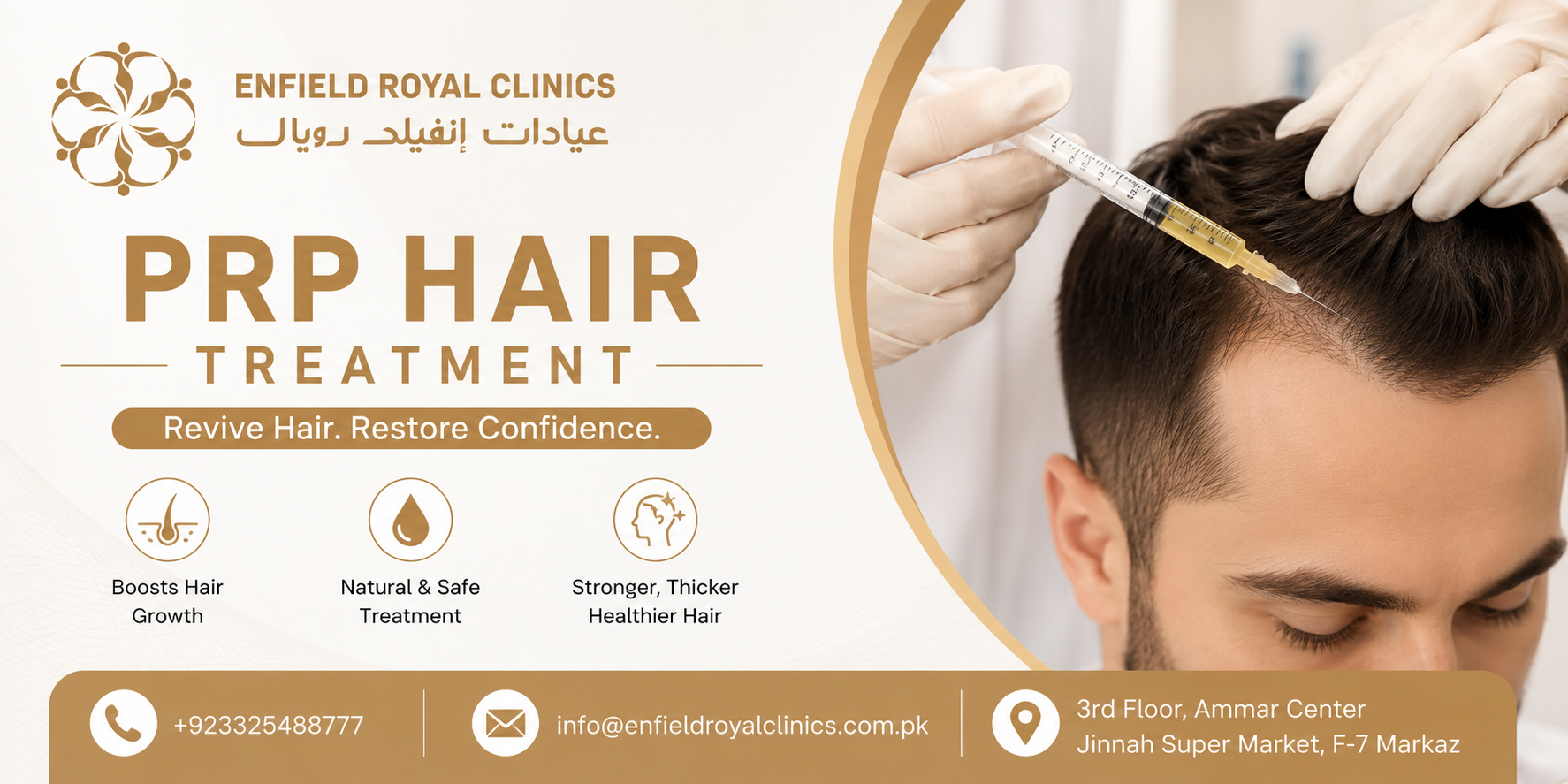
After preparation, the concentrated plasma is injected into selected areas of the scalp using fine needles.
The objective is to support existing hair follicles and the surrounding scalp environment. It does not involve transplanting new follicles into bald areas.
How Is It Different From Topical Hair Products?
Many standard hair products, such as shampoos, conditioners, serums, and cosmetic scalp treatments, are primarily designed to cleanse the scalp, improve hair appearance, or condition existing strands.
PRP takes a different approach because the prepared material is delivered beneath the scalp surface through injections.
This means the treatment is not simply intended to make existing hair look healthier temporarily. Its purpose is to support the biological environment around hair follicles.
However, cosmetic hair products can still have a useful role in maintaining scalp and hair condition. The two categories should not necessarily be viewed as direct replacements for one another.
How Does It Compare With Hair Loss Medication?
Some medications are designed to influence the biological mechanisms associated with certain forms of hair loss. Depending on the medication, they may help slow progression or encourage continued hair growth.
PRP works through a different mechanism. It uses concentrated platelets and their associated growth factors to support existing follicles.
Whether PRP, medication, or a combination is appropriate depends on the cause and pattern of hair loss.
Patients should not stop or change prescribed medication simply because they are considering a regenerative treatment. Any medication-related decisions should be discussed with the relevant healthcare professional.
Is It Different From a Hair Transplant?
The difference between PRP and hair transplantation is particularly significant.
A hair transplant involves moving healthy follicles from a donor area to a region affected by permanent hair loss. It physically adds follicles to the recipient area.
PRP does not add new follicles. Instead, it aims to support follicles that are already present.
For someone with advanced baldness, transplantation may be more appropriate for restoring coverage. For someone with early thinning and viable follicles, a regenerative approach may be considered.
In selected cases, both approaches may form part of a broader restoration plan.
Why Is the Patient's Own Blood Used?
One distinctive feature of PRP is that the treatment material is prepared from the patient's own blood.
A small sample is collected and processed before the platelet-rich portion is introduced into the scalp.
Because the material originates from the patient, the treatment does not involve a donor blood product. Nevertheless, appropriate screening, sterile equipment, and professional technique remain essential.
Using a person's own blood does not mean that the treatment is suitable for every individual.
Can It Support Existing Weak Follicles?
One reason PRP is different from cosmetic hair treatments is its focus on existing follicles.
In some forms of hair loss, follicles become miniaturized rather than disappearing immediately. These weakened follicles may continue producing very fine hairs.
PRP is intended to support the local follicular environment. If the follicles remain viable and respond to treatment, they may potentially produce stronger-looking strands.
This can contribute to an improved appearance of thickness and density.
Does It Require Downtime?
Compared with surgical hair restoration, PRP is generally considered minimally invasive and usually does not require extensive downtime.
Patients may experience temporary redness, tenderness, swelling, or sensitivity around the injection sites.
Daily activities can often be resumed relatively quickly, although specific instructions may apply to exercise, hair washing, heat exposure, and scalp products.
Following the provider's aftercare guidance is important for a comfortable recovery.
How Quickly Does It Work?
Another important difference is that PRP does not provide instant hair growth.
Hair follicles follow natural growth cycles, so any improvement develops gradually. Some patients may notice changes in shedding or hair texture before seeing visible improvements in density.
More noticeable changes can take several months, and multiple sessions may be recommended depending on the individual's condition.
This gradual timeline means that realistic expectations are essential.
Who May Consider This Approach?
PRP may be considered for people with certain types of hair thinning, particularly when existing follicles remain viable.
It may be less suitable as a standalone approach for advanced areas where follicles have been permanently lost.
A professional evaluation can help determine the cause of hair loss and assess whether the remaining follicles are suitable for support.
This is especially important because sudden or unusual shedding may have an underlying medical, nutritional, or hormonal cause.
Can PRP Be Combined With Other Treatments?
Yes, in selected cases, PRP may be incorporated into a broader hair restoration strategy.
Depending on the diagnosis, a patient may use other medically appropriate treatments alongside PRP. A combination approach can address different aspects of hair loss.
However, adding multiple treatments does not automatically guarantee better results. Each treatment should have a specific purpose and be selected according to the patient's individual needs.
What Are Its Limitations?
PRP is not a guaranteed cure for hair loss. Individual responses can vary, and the treatment cannot recreate follicles that have been permanently destroyed.
The outcome can depend on the cause of hair loss, stage of thinning, follicle condition, genetics, age, general health, and treatment protocol.
Patients should therefore consider the procedure as one potential part of hair-loss management rather than a universal solution.
Final Thoughts
What makes PRP Hair Treatment different from standard hair treatments is its focus on using concentrated platelet-rich plasma from the patient's own blood to support existing hair follicles.
Unlike cosmetic products, it is delivered into the scalp. Unlike medication, it uses a different biological approach. And unlike transplantation, it does not add new hair follicles.
Its potential role is generally greatest when viable follicles remain but have become weakened or miniaturized. Results are gradual and vary between individuals.
A professional assessment is the best way to determine whether PRP is suitable for a particular type of hair loss and whether it should be used alone or as part of a broader treatment plan.




 Arabic
 French
 Spanish
 Portuguese
 Deutsch
 Turkish
 Dutch
Dutch
 Italiano
 Russian
 Romaian
 Portuguese (Brazil)
 Greek
Greek