


What Happens After an Abnormal Cortisol Blood Test Result?
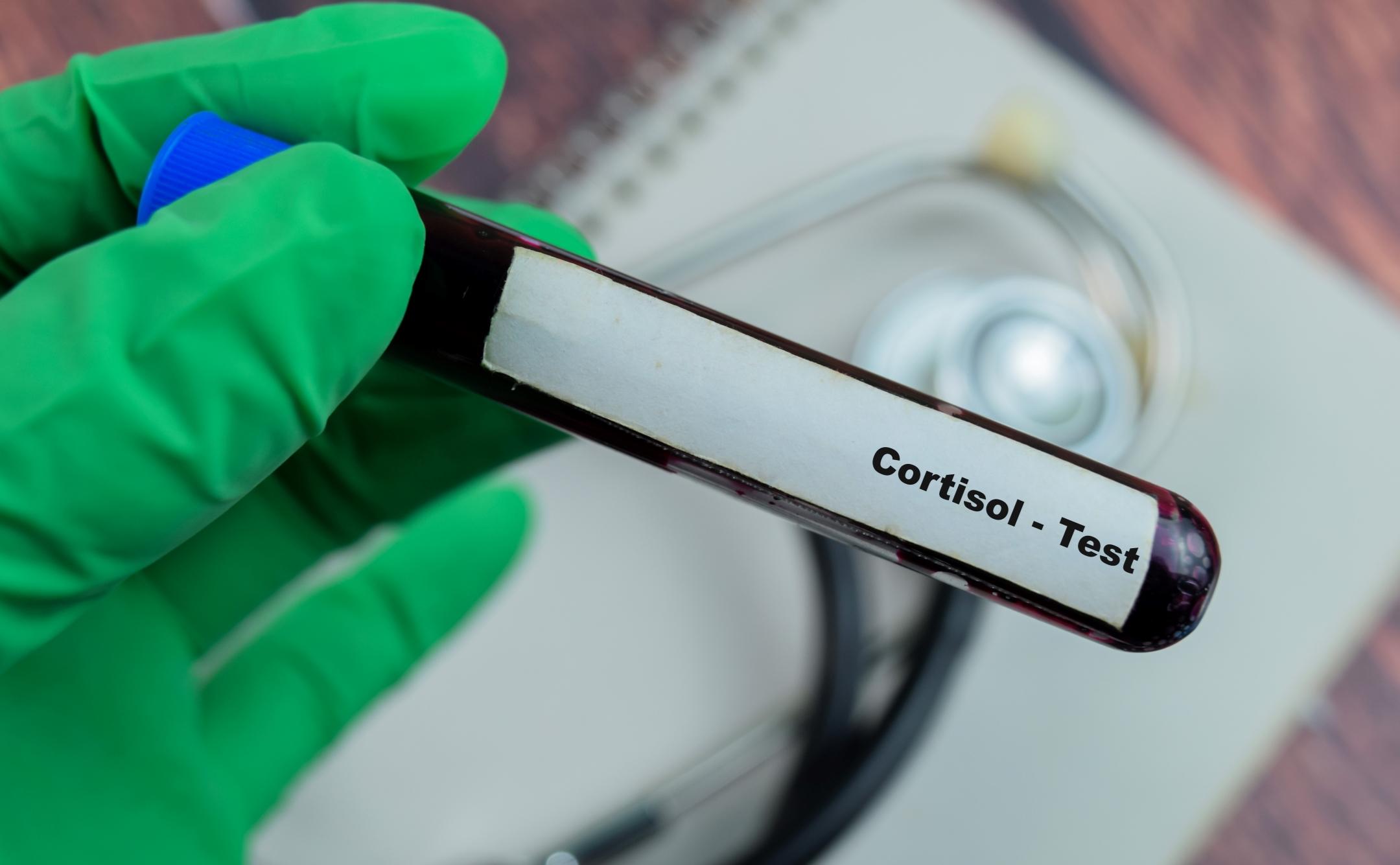
Receiving an abnormal cortisol blood test result can naturally raise questions. Does it mean there is a problem with the adrenal glands? Will another test be needed? Could stress, medication, or poor sleep have affected the result?
The important thing to understand is that an abnormal cortisol result is not automatically a diagnosis. Cortisol Blood Test Dubai is a dynamic hormone that changes throughout the day and responds to physical and emotional conditions. A healthcare professional usually considers the result alongside the collection time, laboratory reference range, symptoms, medications, medical history, and the reason the test was ordered.
The next step may simply be monitoring or repeating the test. In other situations, additional hormone testing may be necessary to determine whether the cortisol level reflects adrenal insufficiency, excessive cortisol production, medication effects, or another condition.
The First Step Is Usually Context, Not Another Diagnosis:
When a cortisol result falls outside the laboratory's reference range, your doctor will first look at the circumstances surrounding the test.
Several questions can help put the result into perspective:
- Was the blood sample collected in the morning or later in the day?
- Was the person acutely ill or under significant physical stress?
- Were they experiencing unusual emotional stress?
- What medications or supplements were being taken?
- Was the person following a normal sleep schedule?
- Were corticosteroids being used?
- What symptoms led to the test?
- Were other hormone tests performed?
This review matters because cortisol follows a circadian rhythm. It is generally higher in the morning and decreases as the day progresses in people with a typical daytime sleep schedule.
Therefore, a cortisol concentration that appears low or high cannot be interpreted properly without knowing when the sample was taken.
What Does an Abnormal Cortisol Result Actually Mean?
An abnormal result can point in either direction.
A low cortisol level may raise concern about insufficient cortisol production, while a high cortisol level may lead a doctor to investigate excessive cortisol exposure.
But abnormal results can also occur because of temporary or external influences.
Possible contributors include:
- Stress
- Acute illness
- Sleep disruption
- Night shift work
- Certain medications
- Long-term corticosteroid use
- Pregnancy
- Hormonal changes
- Timing of the blood sample
For this reason, your doctor may not immediately label the result as an adrenal disorder.
If Cortisol Is Low, What Happens Next?
A low cortisol result can be particularly important when it occurs during a time when cortisol should normally be relatively high, such as the early morning.
Doctors may consider conditions such as adrenal insufficiency.
Adrenal insufficiency occurs when the body does not produce enough cortisol. It can result from problems with the adrenal glands themselves or from reduced stimulation by the pituitary gland.
Possible symptoms include:
- Persistent fatigue
- Muscle weakness
- Dizziness
- Low blood pressure
- Reduced appetite
- Unintentional weight loss
- Nausea
- Vomiting
- Abdominal discomfort
If adrenal insufficiency is suspected, your healthcare professional may order an ACTH blood test.
ACTH, or adrenocorticotropic hormone, stimulates the adrenal glands to produce cortisol. Measuring ACTH alongside cortisol can help doctors determine whether the problem may originate in the adrenal glands or the pituitary system.
The ACTH Stimulation Test May Be the Next Step:
One of the most important follow-up tests for suspected adrenal insufficiency is the ACTH stimulation test.
During this test, cortisol is measured before and after administration of synthetic ACTH.
The purpose is to see whether the adrenal glands can respond appropriately.
A healthy response generally involves a significant increase in cortisol following stimulation. An inadequate response may support the diagnosis of adrenal insufficiency.
The Endocrine Society recommends the standard-dose corticotropin stimulation test as a preferred confirmatory test when primary adrenal insufficiency is suspected and testing is appropriate.
What If the Cortisol Result Is High?
A high cortisol blood test can have many possible explanations.
Cortisol naturally increases in response to physical and psychological stress. Acute illness, injury, pain, and other forms of physiological stress may also increase cortisol.
Medication can be another factor.
For example, certain medications can influence cortisol production or its measurement. Estrogen-containing treatments may increase cortisol-binding globulin and affect total serum cortisol.
If the doctor is concerned about Cushing syndrome, additional testing may be necessary.
Cushing syndrome is associated with prolonged exposure to excessive cortisol. It can occur because of corticosteroid medication or, less commonly, because the body produces too much cortisol.
Symptoms can include:
- Unexplained weight gain
- Muscle weakness
- Easy bruising
- Thinning skin
- High blood pressure
- Elevated blood glucose
- Purple stretch marks
- Changes in menstrual cycles
A single elevated cortisol blood test generally cannot establish Cushing syndrome.
Why Additional Cortisol Tests May Be Necessary?
Different cortisol tests answer different clinical questions.
A blood test measures cortisol at a particular point in time. Other tests can provide information about cortisol production at different times or across a longer period.
Depending on the suspected condition, your doctor may consider:
Late-night salivary cortisol:
Cortisol should normally be low late at night. Measuring salivary cortisol at this time can help identify an abnormal daily cortisol pattern.
24-hour urinary free cortisol:
This test measures cortisol excreted in urine over an entire 24-hour period, providing information about cortisol production across the day.
Dexamethasone suppression test:
Dexamethasone is used to determine whether cortisol production can be appropriately suppressed.
These tests are not interchangeable. The choice depends on the clinical question and the patient's circumstances.
Could the First Test Have Been Affected by Stress?
Yes.
Stress activates the hypothalamic-pituitary-adrenal axis, which can increase cortisol production.
This does not necessarily make the laboratory result "wrong." Instead, it may reflect a genuine short-term physiological response that does not represent a chronic cortisol disorder.
The same principle applies to physical stress.
For example, infection, severe pain, surgery, or injury can alter cortisol levels.
If you were significantly unwell when the sample was collected, tell your healthcare professional.
Could Medication Be Responsible?
Medication history is an important part of evaluating an abnormal cortisol result.
Corticosteroids are especially relevant. Medicines such as prednisone, prednisolone, hydrocortisone, and dexamethasone can influence the body's natural cortisol production.
Long-term corticosteroid treatment may suppress the adrenal glands.
Other medications may affect cortisol metabolism, binding proteins, or laboratory measurement.
Your healthcare professional should know about:
- Prescription medicines
- Steroid creams
- Steroid inhalers
- Steroid injections
- Hormone treatments
- Over-the-counter medicines
- Supplements
Never stop prescribed corticosteroids simply to obtain a different test result. Sudden withdrawal after prolonged treatment can be dangerous.
What If Sleep or Shift Work Affected the Result?
Cortisol follows a biological clock, so sleep patterns matter.
People who work night shifts or have irregular sleep schedules may have cortisol patterns that differ from the conventional morning-high and evening-low pattern.
Sleep deprivation can also influence hormone regulation.
If you had significant sleep disruption before your cortisol test, mention it to your doctor.
The result may still be useful, but the timing and context may need to be considered differently.
When Might a Cortisol Test Be Repeated?
A doctor may recommend repeat testing when the initial result is unexpected or does not fit the clinical picture.
Reasons can include:
- Incorrect or unusual collection timing
- Acute illness
- Significant stress
- Medication effects
- Unusual sleep schedule
- A borderline result
- Symptoms that do not match the initial finding
Repeating the test does not necessarily mean that the first laboratory measurement was inaccurate.
It may simply provide another measurement under more appropriate conditions.
How Doctors Put the Results Together?
Cortisol testing is most useful when combined with other clinical information.
Your doctor may evaluate the following:
| Factor | Why It Matters |
|---|---|
| Cortisol level | Shows the measured hormone concentration |
| Collection time | Cortisol changes naturally throughout the day |
| Symptoms | Helps determine whether the result fits a possible disorder |
| ACTH | Provides information about adrenal and pituitary regulation |
| Medication history | Some medicines can alter cortisol |
| Sleep pattern | Circadian rhythm affects cortisol |
| Recent illness | Physical stress can change cortisol |
| Follow-up testing | Helps confirm or exclude suspected disorders |
This broader approach reduces the risk of interpreting a single laboratory value incorrectly.
When Is an Abnormal Cortisol Result More Concerning?
The level of concern depends on the result and symptoms.
A mildly abnormal result without significant symptoms may require monitoring or repeat testing.
More concerning findings can include an unusually low morning cortisol accompanied by symptoms of adrenal insufficiency or significant cortisol excess accompanied by characteristic clinical features.
Severe symptoms such as persistent vomiting, profound weakness, confusion, fainting, or severe low blood pressure require urgent medical assessment because serious adrenal insufficiency can become a medical emergency.
What Should You Do After Receiving an Abnormal Result?
The best response is not to immediately search for a diagnosis based on the number.
Instead:
Review the report. Check the cortisol value, units, reference range, and collection time.
Consider the circumstances. Think about recent illness, stress, sleep disruption, exercise, and medications.
Discuss the result with your doctor. They can determine whether the finding is clinically significant.
Follow recommended testing. This could involve repeat cortisol testing, ACTH measurement, an ACTH stimulation test, or another type of cortisol assessment.
Do not change medication without guidance. This is especially important with corticosteroids.
Frequently Asked Questions:
Is an abnormal cortisol blood test always serious?
No. Cortisol is influenced by many temporary and physiological factors. Your doctor must interpret the result in context.
What happens if cortisol is too low?
The doctor may investigate adrenal insufficiency and could recommend ACTH testing or an ACTH stimulation test.
What happens if cortisol is too high?
The doctor may look for temporary causes such as stress or illness and, if appropriate, investigate cortisol excess with specialized testing.
Can stress cause an abnormal cortisol test?
Yes. Psychological and physical stress can temporarily change cortisol levels.
Can medication affect cortisol results?
Yes. Corticosteroids and certain other medicines can affect cortisol production, metabolism, binding, or measurement.
How long does it take to get a cortisol test result?
The laboratory processing time varies. More importantly, interpretation may take additional time if follow-up hormone testing is needed.
The Bottom Line:
An abnormal cortisol blood Lab tests result is a starting point, not necessarily a diagnosis.
Low cortisol may prompt investigation for adrenal insufficiency, while high cortisol may lead to evaluation for cortisol excess. But stress, illness, sleep disruption, medications, pregnancy, and the timing of the blood draw can all influence cortisol measurements.
Your healthcare professional may therefore review the original result carefully before deciding what happens next. Depending on the circumstances, the next step could be a repeat cortisol test, ACTH measurement, ACTH stimulation test, late-night salivary cortisol, 24-hour urinary free cortisol, or dexamethasone suppression testing.
The most important thing is to interpret the result as part of the bigger clinical picture. Do not diagnose yourself from one cortisol number or stop medication without medical advice. Proper follow-up can help determine whether the abnormal result reflects a temporary change, medication effect, normal biological variation, or an underlying adrenal or hormonal condition.

 English
 French
 Spanish
 Portuguese
 Deutsch
 Turkish
 Dutch
Dutch
 Italiano
 Russian
 Romaian
 Portuguese (Brazil)
 Greek
Greek