


How to Manage Surgical Wounds With Professional Home Care
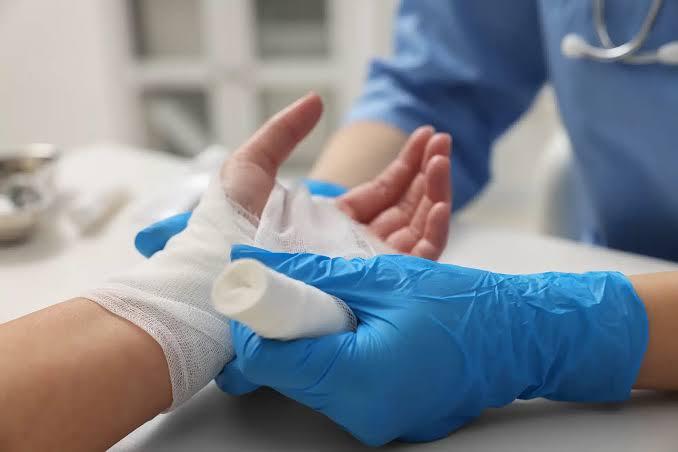
Recovering after surgery requires more than rest and medication; proper incision care is also important for protecting the wound while it heals. Wound Dressing at Home in Dubai can provide convenient professional support for patients who need postoperative dressing changes, wound monitoring, or assistance following their surgeon's instructions. With qualified nursing support and a Doctor at Home service when medical assessment is required, patients can receive appropriate care in a familiar environment. Proper wound care can help protect the incision, manage drainage, and reduce avoidable complications, while the exact dressing routine should always follow the instructions provided by the surgical team.
Why Surgical Wound Care Matters:
A surgical incision temporarily disrupts the skin's natural protective barrier, making appropriate postoperative care important. Dressings can protect the incision from external contamination, absorb drainage, and prevent sutures or staples from catching on clothing. The surgeon's instructions should determine how long the original dressing remains in place and when it should be changed. Because surgical procedures vary significantly, patients should not assume that a wound-care routine suitable for one operation is appropriate for another.
Follow the Surgeon's Wound-Care Instructions:
The first step in managing a surgical wound at home is understanding the postoperative care plan. Instructions may cover dressing changes, bathing, physical activity, medication, follow-up appointments, and care of stitches, staples, or surgical glue. Patients should keep these instructions accessible and ask questions if anything is unclear. Avoid independently changing the dressing type, applying topical products, or removing sutures or staples unless specifically instructed by the healthcare team.
Important instructions may include:
- When to change the dressing
- Whether the wound should remain covered
- How the wound should be cleaned
- When showering is permitted
- Which products should be avoided
- When stitches or staples will be removed
- Which symptoms require medical attention
- When the next follow-up appointment is scheduled
Prepare a Clean Home Care Area:
A clean, well-lit, and organized area can make postoperative dressing changes easier. Before the nurse arrives or before performing an approved dressing change yourself, prepare a stable surface for supplies and remove unnecessary clutter. Keep pets, food, and household activities away from the immediate dressing area. The objective is to minimize unnecessary contamination while creating a comfortable environment for the patient and caregiver.
Practice Proper Hand Hygiene:
Hand hygiene is a fundamental part of surgical wound care. Hands should be thoroughly cleaned before touching the dressing or incision and again after handling used dressing materials. MedlinePlus recommends cleaning the hands before removing a dressing, keeping supplies readily available, and washing the hands again after the old dressing is removed.
Patients and caregivers should:
- Wash hands before wound care
- Keep fingernails clean
- Avoid touching the incision unnecessarily
- Keep clean supplies protected
- Wash hands after handling used dressings
- Follow professional instructions regarding gloves
Gather the Correct Dressing Supplies:
The supplies required for a surgical wound depend on the procedure and the surgeon's instructions. Some patients may need a simple clean dressing, while others may require specialized products. Having the recommended supplies ready before beginning can prevent interruptions and help keep clean materials separate from used ones. Patients should avoid substituting household materials or using products that have not been recommended for the incision.
Supplies may include:
- Recommended wound dressing
- Clean or sterile gauze when instructed
- Medical tape or fixation material
- Recommended cleaning solution
- Disposable waste bags
- Gloves when advised
- Other products specified in the postoperative care plan
Remove the Old Dressing Carefully:
If the surgeon has instructed the patient to change the dressing, the old dressing should be removed gently. Adhesive should be loosened carefully rather than pulled aggressively. If the dressing sticks to the wound, patients should follow the instructions given by their healthcare professional rather than forcing it away. MedlinePlus notes that an adhered dressing may sometimes be gently moistened, unless the surgeon has specifically instructed otherwise.
During removal, observe the incision for unexpected changes such as:
- Increased redness
- Increased swelling
- More pain
- Unusual drainage
- Bleeding
- Wound separation
- Changes in color or appearance
Clean the Surgical Wound as Instructed:
Surgical wounds should be cleaned only according to the instructions provided by the surgical team. Some closed incisions may require gentle cleaning with water or mild soap when permitted, while other wounds may have different instructions. Patients should not scrub the incision or routinely apply alcohol, peroxide, iodine, creams, or herbal remedies unless specifically directed. Certain substances can irritate tissue and interfere with healing.
Apply the New Dressing Correctly:
When a new dressing is required, it should be applied according to the surgeon's or nurse's instructions. The dressing should adequately cover the incision without excessive pressure. Avoid touching the wound-contact surface of a clean dressing. Adhesive should be positioned carefully to avoid unnecessary irritation of the surrounding skin. If the dressing repeatedly slips, causes discomfort, or becomes saturated, contact the healthcare team for advice rather than improvising a new treatment approach.
Keep the Surgical Incision Protected:
Protection is particularly important during the early stages of recovery. Patients should avoid unnecessary rubbing, scratching, or pressure around the incision. Tight clothing may irritate a healing surgical wound, so comfortable clothing that does not rub against the area can be preferable. Patients should also follow their surgeon's instructions concerning lifting, exercise, driving, and other activities because excessive tension on an incision may interfere with healing.
Follow Safe Bathing and Showering Instructions:
When patients can shower or bathe after surgery varies according to the procedure and the surgeon's instructions. In general, patients should avoid soaking an incision in a bathtub, swimming pool, or hot tub until their healthcare provider says it is safe. When showering is permitted, the incision should not be aggressively scrubbed. MedlinePlus recommends following the surgeon's specific instructions regarding dressing removal, showering, and keeping the incision dry.
Monitor the Incision Every Day:
Regular observation can help patients recognize changes that should be reported. A healing incision may have some soreness or mild swelling, depending on the procedure, but patients should pay attention to changes from their expected recovery pattern. Checking the wound according to the care plan can help identify increased redness, drainage, swelling, bleeding, or wound separation. Patients should avoid repeatedly touching the incision simply to inspect it.
Monitor for:
- Increasing redness
- Increasing pain
- New or worsening swelling
- Increased drainage
- Thick or discolored drainage
- Bad odor
- Persistent bleeding
- Wound edges separating
- Increasing warmth
- Fever or chills
Recognize Possible Surgical Site Infection:
Surgical site infections can cause redness, pain, warmth, swelling, pus or abnormal drainage, and sometimes fever or chills. These symptoms should be communicated to the surgical team or another appropriate healthcare professional. MedlinePlus notes that surgical wound infections may occur after surgery and can sometimes require antibiotics or additional procedures, depending on their severity.
A suspected infection should not be treated solely by repeatedly changing the dressing or applying an unapproved topical product. Professional evaluation is important to determine the appropriate treatment.
Manage Drainage Appropriately:
Some drainage may occur during postoperative healing, depending on the procedure and wound. However, increased drainage or a change in its appearance can be a reason to contact the surgeon. Thick, yellow, green, tan, or foul-smelling drainage may indicate pus and requires professional attention. A dressing that becomes wet or soaked with blood or other fluids may also need to be changed sooner according to the surgeon's instructions.
Protect Sutures, Staples, and Surgical Glue:
Patients should not pull, cut, or remove stitches or staples themselves unless their healthcare provider specifically instructs them to do so. Surgical glue and adhesive strips should also be left alone according to the postoperative instructions. Attempting to remove these materials prematurely can interfere with the healing process. The healthcare team will determine when removal is appropriate or whether the material should be allowed to come away naturally.
The Role of Professional Home Nursing:
Professional home nursing can be especially helpful for patients who cannot easily travel after surgery or who require regular dressing changes. A qualified nurse can follow the postoperative wound-care plan, perform appropriate dressing changes, observe the incision, and communicate concerning findings to the healthcare team. Home nursing can also provide practical education for family caregivers who may need to assist between professional visits.
Professional support may include:
- Postoperative wound assessment
- Dressing changes
- Hygiene and infection-control practices
- Monitoring drainage
- Observation of the surrounding skin
- Caregiver education
- Documentation of wound changes
- Communication with the surgical team when concerns arise
Benefits of Professional Wound Dressing at Home:
Receiving professional dressing care at home can reduce the practical burden of traveling to a clinic during recovery. This may be particularly valuable for elderly patients, individuals with mobility limitations, or those recovering from procedures that make transportation uncomfortable. A nurse can also provide consistency and reassurance while helping the patient follow the prescribed care plan. Home wound care does not replace scheduled surgical follow-ups, but it can complement the broader postoperative recovery process.
Common Surgical Wound Care Mistakes to Avoid:
Patients may unintentionally interfere with healing by touching the incision unnecessarily, changing dressings without instructions, applying unapproved products, or soaking the wound too early. Another mistake is assuming that worsening symptoms are a normal part of recovery and waiting too long before contacting the surgeon. Following the individualized postoperative plan is safer than relying on general advice.
Avoid:
- Removing stitches or staples yourself
- Applying creams without professional approval
- Scrubbing the incision
- Soaking the wound before clearance
- Reusing disposable dressings
- Touching the wound unnecessarily
- Wearing clothing that repeatedly rubs the incision
- Ignoring increasing drainage or pain
- Delaying medical assessment for concerning symptoms
When to Contact the Surgical Team:
Patients should contact their surgeon or healthcare provider if the incision becomes increasingly red, painful, swollen, or starts bleeding more than expected. Increasing or unusual drainage, pus, foul odor, wound enlargement, or wound separation should also be reported. Fever or chills can be additional warning signs. MedlinePlus advises contacting the provider when these types of changes occur rather than assuming they are part of normal recovery.
How Family Caregivers Can Support Recovery:
Family members can help by preparing dressing supplies, maintaining a clean care area, assisting with positioning, observing the incision, and keeping track of postoperative instructions. They can also help the patient avoid activities that have been restricted by the surgical team. If a caregiver notices a significant change, they should communicate it promptly rather than attempting to diagnose or treat the problem themselves.
Frequently Asked Questions About Surgical Wound Care:
How often should a surgical dressing be changed? The surgeon or healthcare professional should determine the schedule. Some dressings can remain in place for a specified period, while others need earlier replacement if wet or saturated.
Can I clean my surgical incision with alcohol or peroxide? Do not routinely use these products unless specifically instructed. Some cleaning agents can damage healing tissue. Follow the instructions provided by your surgical team.
Can I shower after surgery? The timing varies by procedure. Follow your surgeon's instructions and avoid soaking the incision until you are cleared to do so.
Should I remove my stitches or staples at home? No. They should be removed by the appropriate healthcare professional unless you have been given specific instructions otherwise.
When should I seek medical attention? Increasing redness, pain, swelling, bleeding, abnormal drainage, foul odor, wound separation, fever, or rapid deterioration should be reported promptly.
Final Thoughts:
Managing a surgical wound at home requires consistency, hygiene, careful observation, and adherence to the surgeon's instructions. Wound Dressing at Home in Dubai can make postoperative wound care more convenient by bringing professional nursing support directly to the patient's home. A qualified nurse can assist with dressing changes, monitor the incision, identify concerning changes, and educate caregivers while the patient continues recovering in a familiar environment. However, professional home care should complement—not replace—appropriate surgical follow-up. By protecting the incision, following dressing instructions, avoiding unapproved products, monitoring for infection, and seeking timely medical advice when symptoms change, patients can support a safer and more organized recovery.

 English
 Arabic
 French
 Spanish
 Portuguese
 Deutsch
 Dutch
Dutch
 Italiano
 Russian
 Romaian
 Portuguese (Brazil)
 Greek
Greek