


Why Should Buyers Check jinglitools Air Compressor Machine Energy Requirements?
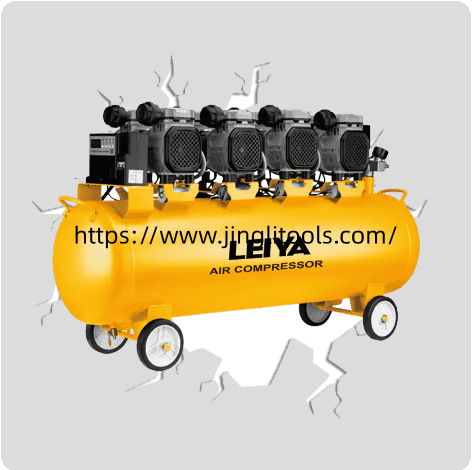
Air Compressor Machine energy consumption can rise when a workshop faces changing workloads, pressure losses, leakage, restricted ventilation, unsuitable settings, or extended operating periods. Electricity demand is not determined by the equipment alone. Connected devices, system design, maintenance routines, and operator habits can all influence how frequently the motor runs. For workshops looking to manage operating costs, examining these factors can provide a practical way to understand unusual increases in energy use.
Workload Has a Direct Effect on Energy Demand
Compressed gas equipment may support fastening, cleaning, painting, inflation, automation, assembly, and other workshop activities. Each application creates a different consumption pattern.
When several pneumatic devices operate at the same time, the supply system may need to run more frequently. A workshop with intermittent tasks can have a very different operating pattern from a facility where pneumatic equipment is active throughout a production cycle.
Before purchasing equipment, buyers should estimate average demand and periods of increased demand. This gives purchasing teams a clearer basis for comparing suitable configurations.
Pressure Settings Can Influence Operating Requirements
Pressure deserves careful attention because higher settings can increase system demand.
If connected equipment requires a defined pressure range, operating substantially above that requirement may add unnecessary workload. Users can review the specifications of pneumatic devices and select a working range that corresponds with actual applications.
Pressure should also be checked when production requirements change. A setting that was appropriate for one task may not be necessary for another.
This simple review can help workshops avoid running the system under conditions that do not match the application.
Leakage Can Create Continuous Demand
Leaks can develop around hoses, fittings, connectors, valves, and seals. A single small leak may seem insignificant, but multiple leakage points can create ongoing demand across an installation.
Operators can inspect accessible connections regularly and listen for escaping gas during quieter periods. Some facilities may also use dedicated leak detection methods when appropriate.
A leakage inspection routine can be included within regular maintenance planning. Addressing visible or suspected leakage can help reduce unnecessary demand and provide useful information about system condition.
Filters And Connections Require Attention
Restricted filters can affect flow through a compressed gas system. Dirty components may increase resistance and influence how the equipment operates.
Connections should also be inspected for damage, looseness, or leakage. Hoses can deteriorate with age, repeated movement, temperature changes, or contact with unsuitable surfaces.
Maintenance intervals should follow the manufacturers recommendations and reflect the actual working environment.
Keeping service records can help workshops identify recurring issues and plan maintenance before minor conditions become operational concerns.
Continuous Operation May Not Match Actual Demand
Some workshops require compressed gas only during selected tasks.
If equipment continues running during periods of limited demand, runtime can increase without providing corresponding production value. Depending on the equipment configuration, suitable control methods may help align operation with actual requirements.
Managers can review daily schedules and identify periods when pneumatic devices are inactive.
Understanding these patterns can help businesses decide whether operating cycles, storage arrangements, or control settings should be reviewed.
Storage Capacity Can Affect System Behavior
Storage capacity is another factor worth considering during equipment selection.
A suitable tank can provide stored compressed gas for short periods of changing demand. This can be useful when several applications require supply at different times.
However, storage requirements depend on pressure, application type, consumption patterns, equipment configuration, and operating frequency.
Rather than selecting storage based on a single figure, buyers should consider the complete system and how demand changes throughout the working day.
Distribution Layout Can Cause Pressure Loss
The path between the equipment and the point of use can affect system requirements.
Long hose runs, restrictive fittings, unsuitable hose dimensions, and complicated layouts can contribute to pressure losses. If users compensate by increasing the source pressure, energy demand may rise.
During installation planning, businesses can consider workstation locations, connection points, hose lengths, and required pressure at each application.
An organized layout can also make inspections easier and simplify future maintenance.
Installation Conditions Should Be Suitable
Temperature, dust, ventilation, and available installation space can influence operating conditions.
Equipment should have adequate clearance around ventilation areas and should be installed according to the manufacturers instructions. A poorly ventilated location may make heat management more difficult, particularly during extended operation.
Workshop managers should therefore consider installation conditions before finalizing equipment placement.
A suitable location can also provide easier access for inspection, cleaning, and routine servicing.
Maintenance Can Reveal Changes In Energy Use
Maintenance records can provide useful information beyond basic servicing.
If runtime gradually increases while production volume remains similar, operators may investigate possible causes such as leakage, restricted filters, pressure changes, or altered demand.
Comparing operating records over time can help identify changes that are difficult to notice during normal daily work.
For professional workshops, this type of monitoring can support equipment planning and help purchasing teams understand whether a new configuration should address specific operating conditions.
Select Equipment According To Actual Applications
Energy management begins with a clear understanding of how equipment will be used.
Buyers can consider required pressure, expected compressed gas demand, operating frequency, storage capacity, installation conditions, maintenance resources, and connected pneumatic devices. Reviewing these factors together can help businesses choose a configuration that corresponds with real workshop requirements.
jinglitools provides equipment for workshop and industrial applications, giving professional buyers options to evaluate according to their intended working conditions. For product information and purchasing discussions, visit https://www.jinglitools.com/ and review available configurations according to workload, pressure requirements, operating patterns, installation conditions, and maintenance planning.

 English
 Arabic
 French
 Spanish
 Portuguese
 Deutsch
 Turkish
 Dutch
Dutch
 Italiano
 Romaian
 Portuguese (Brazil)
 Greek
Greek