


How Soon Can an HIV Blood Test Detect the Virus?
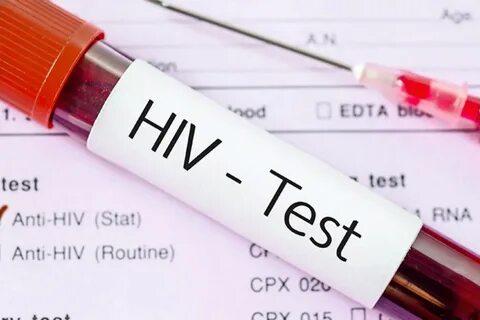
If you have recently experienced a possible HIV exposure, one of the most important questions is how soon an HIV blood test can detect the virus. Modern HIV tests can identify infection relatively early, but no test can reliably detect HIV immediately after exposure.
The timing depends on the type of HIV Blood Test in Dubai, the time since exposure, and individual circumstances such as the use of PrEP or PEP. Understanding these factors can help you choose an appropriate testing schedule and avoid misunderstanding an early negative result.
The Quick Answer:
Some HIV tests can detect infection as early as approximately 10 days after exposure, while other commonly used blood tests need more time.
According to HIV.gov, a nucleic acid test (NAT) can usually detect HIV approximately 10 to 33 days after exposure. A laboratory antigen and antibody test using blood from a vein can usually detect HIV around 18 to 45 days after exposure. Antibody tests may take approximately 23 to 90 days to detect infection.
These are general detection ranges rather than guarantees for an individual person. The best testing time depends on the specific test being used.
Why HIV Cannot Usually Be Detected Immediately
After HIV enters the body, it takes time for detectable markers to develop.
Different HIV tests look for different signs of infection. Some detect HIV genetic material, some detect an HIV protein called the p24 antigen, and others detect antibodies produced by the immune system.
These markers do not all become detectable at the same time.
This creates what is known as the HIV window period. During this period, a person may have HIV but receive a negative test because the amount of detectable material is still below the test's detection threshold.
Therefore, an HIV test performed immediately after exposure cannot reliably rule out infection from that exposure.
Which HIV Blood Test Detects HIV Earliest?
The answer depends on what the test is designed to detect.
Nucleic Acid Test:
A nucleic acid test, commonly called a NAT, detects HIV genetic material directly.
It can detect infection earlier than many antibody-based tests. HIV.gov reports a typical detection range of approximately 10 to 33 days after exposure.
Because NAT testing can detect HIV relatively early, a healthcare professional may consider it when very recent infection is suspected.
However, it is not necessarily the routine screening test for everyone.
Fourth-Generation HIV Blood Test:
A laboratory antigen and antibody test is often called a fourth-generation HIV test.
It looks for both HIV antibodies and the p24 antigen. Detecting the antigen as well as antibodies allows this test to identify many infections earlier than antibody-only testing.
For a laboratory test using blood drawn from a vein, HIV.gov gives an approximate detection range of 18 to 45 days after exposure.
This type of test is commonly used for laboratory HIV screening.
Antibody HIV Test:
An antibody test looks for the immune system's response to HIV.
Because antibodies take time to develop, antibody testing generally has a longer detection window than NAT or antigen and antibody testing.
HIV.gov states that antibody tests can usually detect HIV approximately 23 to 90 days after exposure.
The exact timing can vary depending on the specific test and individual factors.
What Is the HIV Window Period?
The HIV window period is the time between potential infection and when a particular HIV test can reliably detect infection.
It is important to understand that the window period does not mean HIV is absent from the body.
Instead, it means that the test may not yet be able to detect enough viral material, antigen, or antibodies to produce a positive result.
This is why a negative HIV test taken too soon after exposure may need to be repeated.
Can HIV Be Detected 1 Day After Exposure?
A routine HIV blood test generally cannot reliably detect an infection just one day after exposure.
Although HIV begins biological processes soon after entering the body, the markers detected by laboratory tests need time to reach detectable levels.
An immediate HIV test may still be useful as a baseline test when a healthcare professional is assessing a recent exposure. However, it cannot reliably rule out an infection caused by that very recent exposure.
If you believe you were exposed to HIV recently, medical evaluation is more important than waiting for a test to become positive.
Can a Blood Test Detect HIV After One Week?
One week is generally too early for most HIV blood tests to reliably exclude infection.
A NAT may begin detecting some infections around 10 days after exposure, but its usual detection range extends to 33 days.
Antigen and antibody testing generally requires more time, while antibody-only testing can require an even longer period.
Therefore, a negative HIV test at seven days should not automatically be considered conclusive.
If you tested this early, ask a healthcare professional whether you should repeat the test later.
What About Two Weeks After Exposure?
At approximately two weeks, some HIV infections may be detectable, especially with a NAT.
However, two weeks is still within the window period for many testing methods.
A negative result at this stage may therefore require follow-up testing.
The exact recommendation depends on the test used, the nature and timing of the exposure, and whether you are taking HIV prevention medication.
Is Four Weeks Enough for an HIV Test?
Four weeks after exposure is an important testing point for many people.
A laboratory antigen and antibody test can detect many HIV infections by this time. However, its usual detection range extends to approximately 45 days.
This means that a negative result at four weeks can be reassuring but may not necessarily be the final test recommended for everyone.
If your healthcare provider recommends testing again after the full window period, follow that recommendation.
What About Six Weeks After Exposure?
Six weeks is approximately 42 days.
This falls close to the end of the typical 18-to-45-day detection range for a laboratory antigen and antibody test using blood from a vein.
A negative result at this stage can be highly reassuring when the correct laboratory test has been used and there has been no subsequent exposure.
However, your healthcare provider may recommend additional testing based on your individual circumstances.
Why Can an Early HIV Test Be Negative?
An early HIV test can be negative because the infection has not yet produced enough detectable markers.
This is particularly relevant during the acute HIV infection stage.
For example, an antibody test requires the body to produce detectable antibodies. If antibody levels are still too low, the result may be negative.
An antigen and antibody test can identify some infections earlier because it also looks for p24 antigen.
A NAT can detect HIV genetic material earlier still, but it also has a window period.
No test eliminates the importance of timing.
Can HIV Symptoms Tell You How Soon to Test?
Symptoms are not a reliable way to determine when HIV can be detected.
Some people experience symptoms during acute HIV infection, while others do not have noticeable symptoms.
Possible early HIV symptoms can resemble other common illnesses and may include:
- Fever
- Fatigue
- Sore throat
- Rash
- Swollen lymph nodes
- Headache
- Muscle aches
These symptoms are not specific to HIV.
If you have had a possible exposure, do not wait for symptoms before testing. Likewise, do not assume that symptoms mean you have HIV.
The appropriate HIV test is the best way to determine your status.
What If the Exposure Happened Within 72 Hours?
If your potential exposure occurred within the last 72 hours, seek medical care immediately.
Do not wait until an HIV blood test can reliably detect infection.
Post-exposure prophylaxis, or PEP, is medication that can reduce the risk of HIV infection after a potential exposure. HIV.gov states that PEP should be started as soon as possible and must be started within 72 hours of exposure.
A healthcare professional can evaluate the exposure, perform an initial HIV test when appropriate, and determine whether PEP is recommended.
The sooner PEP is started when indicated, the better.
Does PrEP Affect HIV Testing?
If you are taking PrEP, tell your healthcare provider before an HIV test.
PrEP is medication used to reduce the risk of acquiring HIV. People taking PrEP generally receive regular HIV testing as part of their healthcare.
If you have recently taken PEP, tell the provider about that as well.
HIV prevention medication can influence the recommended testing approach and follow-up schedule. Do not stop prescribed medication without professional medical advice.
What Happens If Your Early HIV Test Is Positive?
If an HIV screening test is reactive, it does not necessarily mean that HIV infection has been confirmed.
Additional testing is required to establish a diagnosis.
This confirmation process is important because screening tests are designed to be highly sensitive, and occasionally a reactive result can occur when HIV is not actually present.
If follow-up testing confirms HIV, modern antiretroviral therapy (ART) can suppress the virus, protect the immune system, and help people with HIV live long and healthy lives.
When effective treatment maintains an undetectable viral load, HIV is not sexually transmitted. This is known as U=U, or Undetectable = Untransmittable.
A Practical Testing Timeline:
Instead of focusing on one universal testing date, think about HIV detection as a progression:
Immediately after exposure: Medical evaluation can be useful, but routine testing cannot reliably rule out a new infection.
Around 10 to 33 days: A NAT may detect HIV during this period.
Around 18 to 45 days: A laboratory antigen and antibody blood test can usually detect HIV.
Around 23 to 90 days: Antibody testing may detect HIV during this longer window.
These ranges come from general testing guidance and should not replace individualized medical advice.
How to Know When Your Negative Result Is Reliable?
If your HIV test is negative, ask three questions:
What type of test was used?
Knowing whether it was a NAT, antigen and antibody test, or antibody test tells you which window period applies.
How long after exposure was I tested?
A negative result during the window period may need confirmation later.
Did I have another possible exposure afterward?
A new exposure creates a new testing timeline.
These details provide much more useful information than simply asking whether an HIV test is accurate.
When Should You Repeat an HIV Test?
Repeat testing may be recommended if your initial test was performed during the window period.
For example, someone tested shortly after exposure may receive a negative result but still need another test after enough time has passed for the particular test to reliably detect HIV.
The appropriate repeat-testing date depends on the testing method and individual circumstances.
If your healthcare provider gives you a specific follow-up date, follow that schedule.
Early HIV Detection Can Make a Major Difference:
Early diagnosis is valuable because HIV treatment can be started before significant immune system damage occurs.
Antiretroviral therapy works by preventing HIV from making copies of itself. With consistent treatment, the viral load can become undetectable, helping protect the immune system and preventing sexual transmission.
Early diagnosis also gives people access to medical care, prevention services, counseling, and support.
The goal of HIV Lab tests is therefore not simply to obtain a result quickly. It is to obtain an accurate result at a time when the selected test can meaningfully detect infection.
Final Takeaway:
So, how soon can an HIV blood test detect the virus?
The earliest commonly cited detection window is around 10 days after exposure with a NAT. A laboratory antigen and antibody blood test can usually detect HIV around 18 to 45 days, while antibody tests may require approximately 23 to 90 days.
A negative result obtained too early may not rule out HIV, so follow-up testing can be important. If a possible exposure occurred within the previous 72 hours, seek urgent medical advice about PEP rather than waiting for the testing window.
The most reliable approach is to identify the date of possible exposure, confirm which HIV test you are receiving, and follow the testing schedule recommended by a qualified healthcare professional.

 Arabic
 French
 Spanish
 Portuguese
 Deutsch
 Turkish
 Dutch
Dutch
 Italiano
 Russian
 Romaian
 Portuguese (Brazil)
 Greek
Greek